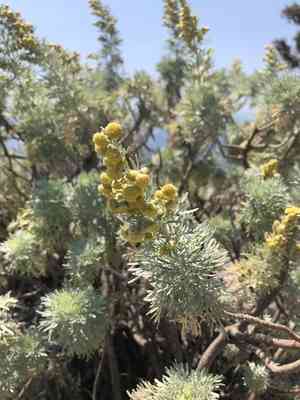
Tree wormwood (Artemisia arborescens)
Also known as: Shrubby wormwood
Tree wormwood (Artemisia arborescens) is a flowering evergreen perennial that is native to the Mediterranean. In late spring it produces yellow, daisy-like flowers. Tree wormwood has been cultivated for its use in essential oils and perfumes and it has earned the Royal Horticultural Society's Award of Garden Merit.
In This Article
Attributes of Tree wormwood
Lifespan
Perennial
Plant Type
Shrub
Plant Height
1.2 m to 1.8 m
Spread
1.2 m to 1.8 m
Leaf Color
Silver Gray Green
Flower Size
Small, not more than 1 cm
Flower Color
Yellow
Images of Tree wormwood
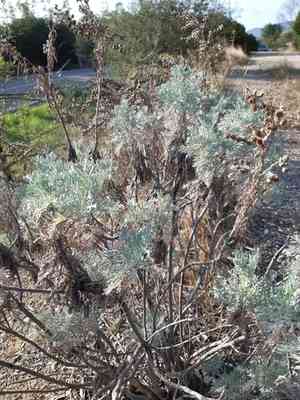
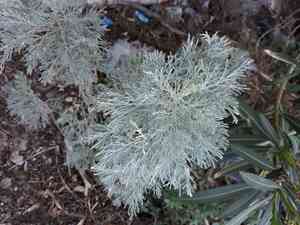
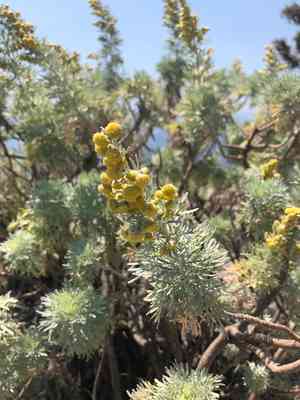
Quickly Identify Tree wormwood
1
Evergreen shrub, 4-6 feet (1.2-1.8 meters) tall and wide.
2
Distinctive white to silvery gray-green foliage with rounded lobes.
3
Clusters of dull yellow flowers in late spring.
4
Large leaves with soft texture.
5
Contrasting foliage color in garden settings.
Scientific Classification of Tree wormwood
Phylum
Vascular plants
Class
Dicotyledons
Order
Asterales
Family
Daisy
Genus
Mugworts
Species
Tree wormwood
Planting and Growing of Tree wormwood
Care Difficulty
Easy
Watering Schedule
Every 2 days
Sunlight Requirements
Full sun
Sunshine Duration
6-8 hours
Ideal Temperature
60-75℉
Soil Type
Potting Mix, Peat Mix
Soil pH
6.5-7.5
Fertilizer Type
Balanced
Pruning Season
Spring, Summer
Pruning Area
Branches, Leaves
Pruning Frequency
2 times a year
Repotting Season
Spring
Pot Type
Plastic, Ceramic
 How to Water Tree wormwood?
Artemisia arborescens prefers a moderate approach to watering. It's crucial to ensure the soil is well-drained, and you should give about 200ml of water per session. Water thoroughly but avoid leaving the soil waterlogged, which could lead to root rot.
What are the symptoms of an underwatered Tree wormwood?
›
What should I do if my Tree wormwood is not getting enough water?
›
What are the symptoms of an overwatered Tree wormwood?
›
How to save an overwatered Tree wormwood?
›
 What Are the Sunlight Requirements for Tree wormwood?
Artemisia arborescens thrives best under full sun or partial sun. Providing ample light results in vigorous growth, strong aromatic properties, and robust resistance to pests and diseases.
More About Sunlight Requirements Techniques→
What is the ideal light condition for Artemisia arborescens?
›
How can you achieve ideal lighting for Artemisia arborescens?
›
What happens if Artemisia arborescens receives ideal lighting?
›
 What Is the Ideal Temperature Range for Tree wormwood?
The ideal temperature range for cultivating Artemisia arborescens is between 60°F and 75°F. This temperature range provides optimal conditions for healthy growth and development, allowing the plant to thrive and produce its aromatic compounds effectively.
 What Soil is Best for Tree wormwood?
Artemisia arborescens thrives in well-drained soils that allow excess moisture to escape, preventing root rot. The soil structure should be airy, which enhances water flow and provides roots with sufficient oxygen. Although resilient, Artemisia arborescens benefits from soils rich in organic matter. The infusion of compost boosts the soil's fertility, providing essential nutrients that foster vigorous growth and vibrant foliage. This plant prefers slightly alkaline to neutral pH levels. A balance in the 6.5 to 7.5 range ensures optimal nutrient absorption and health, minimizing the risk of nutrient lockout or toxicity.
 How to Fertilize Tree wormwood?
For Artemisia arborescens, applying liquid fertilizer at half the recommended strength ensures optimal growth without risking root burn. A balanced 10-10-10 NPK fertilizer, applied at 1/2 teaspoon per gallon of water, is ideal.
 How to Prune Tree wormwood?
Start by identifying dead, damaged, or crossing branches. These should be your primary targets, as removing them will improve air circulation and light penetration within the shrub. Use pruning shears to cut back overly long branches to your desired shape. This not only keeps the plant aesthetically pleasing but promotes more dense foliage. Cut just above a leaf node to encourage new growth. Remove any suckers or small shoots growing from the base of the plant. These can sap energy from the main plant if left unchecked, and cleaning them up maintains a tidy appearance.
More About Pruning Techniques→
 How to Propagate Tree wormwood plant?
1
Collect seeds from mature Artemisia arborescens plants. Clean and dry seeds thoroughly before planting to prevent mold and ensure optimal germination.
2
Prepare a well-draining soil mix to ensure that the seeds or cuttings do not remain in soggy conditions which can lead to root rot.
3
Plant seeds at a shallow depth in prepared seed trays or plant cuttings in pots with adequate drainage, then maintain moisture and warmth for successful germination or rooting.
 How to Repot Tree wormwood plant?
1
Artemisia arborescens gives signals when it's time for repotting. Look for roots emerging from the pot's drainage holes or a reduced rate of growth. If your plant seems cramped in its container, it's likely time to upgrade its home, ensuring its roots have ample room to spread and grow.
2
Select a pot that's one size larger than the current one, ensuring it has plenty of drainage holes to prevent root rot. A slightly larger pot encourages healthy growth, giving roots enough space to flourish without overwhelming them with too much soil, which can retain water.
3
Opt for a well-draining sandy soil mix to emulate its native conditions. This type of soil allows excess water to escape, preventing waterlogging and encouraging root breathing, crucial for the health of Artemisia arborescens.
Toxicity
ingestion
WARNING
The judgment on toxicity and danger is for reference only. We DO NOT GUARANTEE any accuracy of such judgment. Therefore, you SHALL NOT rely on such judgment. It is IMPORTANT TO SEEK PROFESSIONAL ADVICE in advance when necessary.



