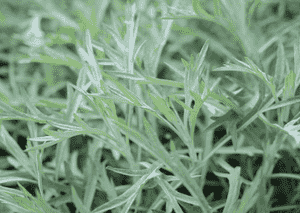
White sagebrush(Artemisia ludoviciana)

White sagebrush (Artemisia ludoviciana)

Also known as: Louisiana wormwood, Cudweed sagewort

White sagebrush (*Artemisia ludoviciana*) is a plant indigenous to the United States. The genus name "Artemisia" is linked to Artemis, the Greek goddess of the hunt and wilderness, known as Diana in Roman mythology. She was also associated with the moon. The species name "*ludoviciana*" is derived from the historical name for the region of Louisiana. This plant is often referred to as "Mugwort" or "Cudweed."

Attributes of White sagebrush

Lifespan
Perennial, Annual
Plant Type
Herb
Plant Height
33 cm to 1 m
Spread
60 cm to 90 cm
Leaf Color
Silver Green Gray
Flower Size
2.5 cm
Flower Color
White Yellow

PlantJoy - Identify plants with a snap

Identify and diagnose plants, get toxicity alerts, and explore safety guides for all types of fungi.

Try for Free

Images of White sagebrush

White sagebrush(Artemisia ludoviciana)

Quickly Identify White sagebrush

1
Lance-shaped leaves with a silvery-green color and fragrant aroma, measuring 2-4 inches (5-10 cm).
2
Yellowish gray discoid flowers, small and clustered in dense panicles, 0.12-0.2 inches (3-5 mm).
3
Dry brown achenes, lightweight and hard-textured, around 0.04 inches (1 mm) in size.
4
Perennial herb with robust rhizomatous growth, forming spreading clumps in full sun exposures.
5
Blooms from August to September, with limited ornamental value due to compact muted flower heads.

Scientific Classification of White sagebrush

Phylum
Vascular plants
Class
Dicotyledons
Order
Asters bellflowers fanflowers and allies
Family
Daisy
Genus
Mugworts
Species
White sagebrush

Planting and Growing of White sagebrush

Care Difficulty
Easy
Watering Schedule
Every 2 days
Sunlight Requirements
Full sun
Sunshine Duration
6-10 hours
Ideal Temperature
65-75℉
Soil Type
Potting Mix, Peat Mix
Soil pH
6.5-7.5
Fertilizer Type
Balanced
Pruning Season
Spring, Summer
Pruning Area
Branches, Leaves
Pruning Frequency
2 times a year
Repotting Season
Spring
Pot Type
Plastic, Ceramic

water icon How to Water White sagebrush?

Artemisia ludoviciana prefers to be watered moderately, as it's a drought-tolerant plant. When watering, aim to provide about 250 ml, ensuring that the soil is consistently moist but not soggy. Allow the top inch of soil to dry out completely between waterings to prevent overwatering, which can lead to root rot.
What are the symptoms of an underwatered White sagebrush?
What should I do if my White sagebrush is not getting enough water?
What are the symptoms of an overwatered White sagebrush?
How to save an overwatered White sagebrush?

sunlight icon What Are the Sunlight Requirements for White sagebrush?

Sunlight Requirements: Full sun, Partial sun
Duration of light: 6 to 8 hours
Artemisia ludoviciana thrives in full sun to partial sun conditions. An ideal light setup encourages vigorous growth, stress reduction, and optimal leaf color, contributing to the plant's overall health and survival.
Necessary Sunlight Levels
Avoiding Overexposure
Maximizing Partial Sunlight Benefits

temperature icon What Is the Ideal Temperature Range for White sagebrush?

Ideal Temperature: 65 ~ 75℉
Artemisia ludoviciana thrives in a temperature range between 65°F and 75°F. This range provides optimal conditions for growth, as it allows the plant to metabolize efficiently and maintain healthy physiological functions. The balance of warmth and moderate coolness mirrors its native habitat conditions, contributing to its overall vigor.

soil icon What Soil is Best for White sagebrush?

Soil type: Sandy loam, Loam, Sand soil
Soil PH: 6.5 ~ 7.5
Artemisia ludoviciana thrives in soil that drains well, preventing root rot and other moisture-related issues. This is essential for maintaining the plant's health, ensuring it doesn’t retain too much water. The plant benefits from soil with a moderate level of nutrients. While it's not overly demanding, a balanced nutrient profile supports strong growth and vibrant foliage. While tolerant of a range of pH levels, it prefers slightly alkaline soil conditions, which optimize the absorption of necessary minerals and enhance its silvery gray leaf coloration.

fertilize icon How to Fertilize White sagebrush?

Fertilizer type: Balanced
For Artemisia ludoviciana, you'll want to use a balanced 10-10-10 fertilizer, applying approximately 1/4 to 1/2 teaspoon per gallon of water for liquid form, or 1/4 cup per plant if using slow-release granules, ensuring to evenly distribute around the base without contacting the foliage.

prune icon How to Prune White sagebrush?

Pruning Time: Spring, Summer, Autumn
Begin by inspecting the plant for dead or damaged stems. Use sharp pruning shears to cut these down to the ground level. Focus on removing older, woodier branches to allow for new growth. Trim back any stems that detract from the shape of the plant, ensuring balanced growth. During the growing season, light trims can be done to shape the plant and remove spent flowers.

propagate icon How to Propagate White sagebrush plant?

Propagate Time: Spring,Late spring,Early spring
1
Gather seeds from mature Artemisia ludoviciana plants in late summer. Ensure seeds are fully developed before collection. After harvesting, clean them thoroughly to remove any plant debris which can hinder germination.
2
Select a healthy stem and cut a piece of about 4-6 inches using pruning shears. Remove the lower leaves to expose the nodes, as these are the points where roots will develop most effectively.
3
For division propagation, carefully dig up the plants in early spring. Use a clean knife to divide the root ball into sections, ensuring each section has roots and shoots for successful growth.
More About Propagating Techniques

repot icon How to Repot White sagebrush plant?

Repotting frequency: Every 2-3 years
1
Artemisia ludoviciana signals its need for repotting when you notice roots emerging from the drainage holes, or when the plant's growth becomes stunted. Spring is the ideal time to repot, as this allows the plant to recover during its active growing season. Keep an eye on the plant's overall health to ensure it thrives.
2
Select a pot that is one size larger than the current one, ensuring it has ample drainage holes. The chosen pot should provide enough space for root expansion, promoting healthy growth and preventing root rot. Using a slightly bigger pot can aid in the plant's stability and overall development.
3
Opt for a well-draining, loamy mix rich in nutrients. This type of soil allows optimal moisture retention while avoiding waterlogging, essential for Artemisia ludoviciana. A balanced mix ensures the plant receives the necessary nutrients for vigorous growth, supporting lush foliage and strong roots.

PlantJoy - Identify plants with a snap

Find the best spots for them to optimize their health, simply using your phone.

Try for Free

Toxicity of White sagebrush

Is White sagebrush toxic to humans?

White sagebrush is recognized as a significant allergen for certain sensitive individuals. This plant is pollinated by the wind and releases a considerable amount of pollen during its flowering season, which can worsen the symptoms experienced by those suffering from hay fever. If you have been near this plant during the pollination phase, be vigilant for symptoms such as a runny nose, watery, itchy, or swollen eyes, sneezing, coughing, an itchy nose, and fatigue, as these are indicative of hay fever. While there is no evidence to suggest that white sagebrush is toxic when consumed, some reports indicate that direct skin contact with the plant may cause dermatitis.

Identify toxic plants for your safety

Learn which plants are harmful to you and your pets, and make informed choices for a safer home!

Try for Free
WARNING
The judgment on toxicity and danger is for reference only. We DO NOT GUARANTEE any accuracy of such judgment. Therefore, you SHALL NOT rely on such judgment. It is IMPORTANT TO SEEK PROFESSIONAL ADVICE in advance when necessary.
More About Toxic Techniques

