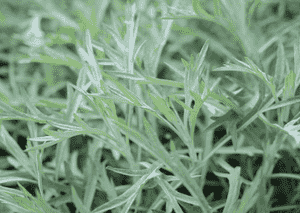
White sagebrush (Artemisia ludoviciana)
Also known as: Louisiana wormwood, Cudweed sagewort
White sagebrush (*Artemisia ludoviciana*) is a plant indigenous to the United States. The genus name "Artemisia" is linked to Artemis, the Greek goddess of the hunt and wilderness, known as Diana in Roman mythology. She was also associated with the moon. The species name "*ludoviciana*" is derived from the historical name for the region of Louisiana. This plant is often referred to as "Mugwort" or "Cudweed."
Attributes of White sagebrush
Images of White sagebrush
Quickly Identify White sagebrush
Scientific Classification of White sagebrush
Planting and Growing of White sagebrush
 How to Water White sagebrush?
 What Are the Sunlight Requirements for White sagebrush?
 What Is the Ideal Temperature Range for White sagebrush?
 What Soil is Best for White sagebrush?
 How to Fertilize White sagebrush?
 How to Prune White sagebrush?
 How to Propagate White sagebrush plant?
 How to Repot White sagebrush plant?
Toxicity of White sagebrush
Is White sagebrush toxic to humans?
White sagebrush is recognized as a significant allergen for certain sensitive individuals. This plant is pollinated by the wind and releases a considerable amount of pollen during its flowering season, which can worsen the symptoms experienced by those suffering from hay fever. If you have been near this plant during the pollination phase, be vigilant for symptoms such as a runny nose, watery, itchy, or swollen eyes, sneezing, coughing, an itchy nose, and fatigue, as these are indicative of hay fever. While there is no evidence to suggest that white sagebrush is toxic when consumed, some reports indicate that direct skin contact with the plant may cause dermatitis.



