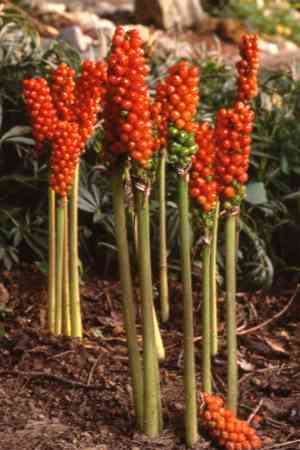
Italian arum (Arum italicum)
Also known as: Large cuckoo pint
Italian arum, originally from the Mediterranean, is often grown as an ornamental plant and has become naturalized in areas such as North America, the Caucasus, and Argentina. The plant's berries and leaves are toxic and should not be ingested, as they can cause significant health issues. It's important to handle the plant with care and keep it out of reach of children and pets.
Attributes of Italian arum
Images of Italian arum
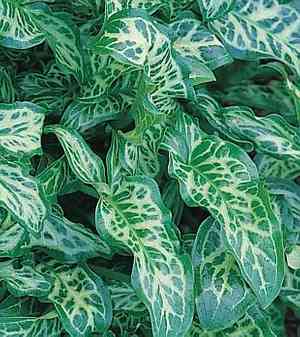
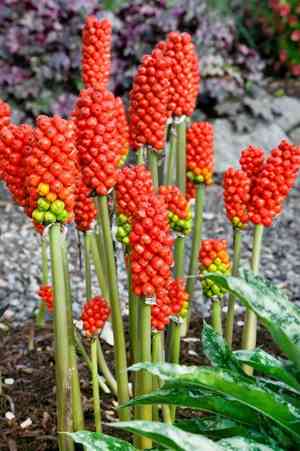
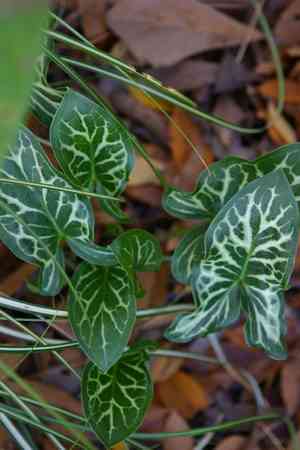
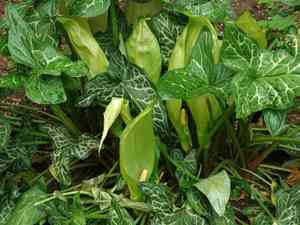
Quickly Identify Italian arum
Scientific Classification of Italian arum
Planting and Growing of Italian arum
 How to Water Italian arum?
 What Are the Sunlight Requirements for Italian arum?
 What Is the Ideal Temperature Range for Italian arum?
 What Soil is Best for Italian arum?
 How to Fertilize Italian arum?
 How to Prune Italian arum?
 How to Propagate Italian arum plant?
 How to Repot Italian arum plant?
Toxicity of Italian arum
Is Italian arum toxic to humans?
The Italian arum is a plant that possesses calcium oxalate crystals in all of its parts, which renders it extremely poisonous and potentially lethal if consumed. Touching its leaves can lead to skin irritation. Consuming any component of the Italian arum may cause significant swelling of the tongue and throat, respiratory distress, and possibly death. It is advisable not to plant this species in areas frequented by children, as its vibrant orange flowers resemble enticing edible berries.
Is Italian arum toxic to cat?
Italian arum is harmful to cats. Felines can become poisoned by accidentally consuming any portion of the plant. This exposure may result in serious symptoms, such as irritation of the mouth, excessive drooling, vomiting, and trouble swallowing. These reactions can be quite distressing and may result in additional complications if not treated without delay. Pet owners who notice these symptoms should urgently consult a veterinarian to manage the toxicity and safeguard their cat's health.
Is Italian arum toxic to dog?
The Italian arum is a plant that poses a considerable threat to dogs because of its toxic properties. Accidentally ingesting any portion of this plant can lead to poisoning, as every section is harmful. Symptoms of poisoning in dogs typically include vomiting, diarrhea, excessive drooling, and trouble swallowing. In severe instances, consuming this plant can result in more dire repercussions, such as swelling around the mouth, respiratory issues, or even kidney failure. Therefore, it is essential for dog owners to remain alert and keep their pets away from Italian arum. If there is a suspicion that a dog has consumed Italian arum, it is crucial to obtain immediate veterinary assistance to secure the best possible outcome for the affected animal.



