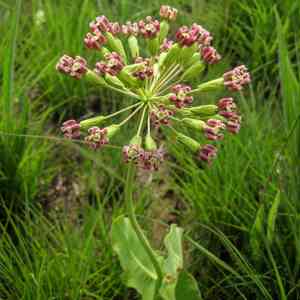
Clasping milkweed (Asclepias amplexicaulis)
Also known as: Blunt-leaved milkweed
The Eastern Prairie White Fringed Orchid (Platanthera leucophaea) is a flowering plant indigenous to the eastern United States. This uncommon orchid is protected in several states. It typically blooms during the summer and can be found in dry prairies and fallow fields.
Attributes of Clasping milkweed
Images of Clasping milkweed
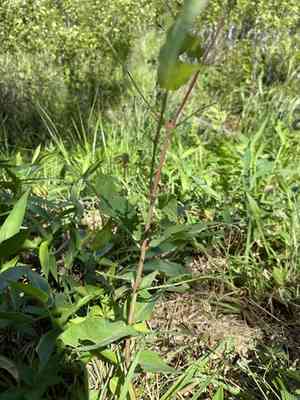
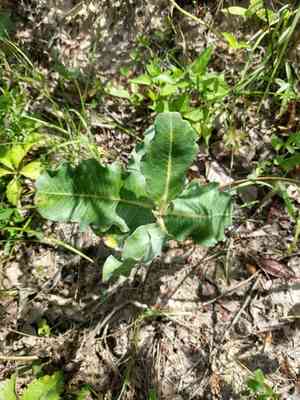
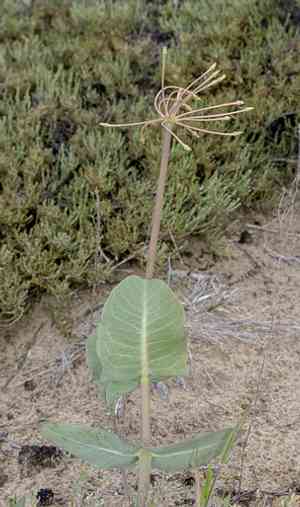
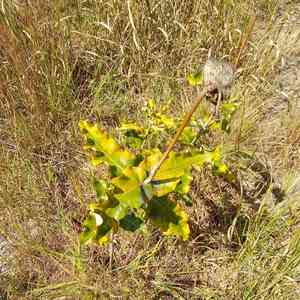
Quickly Identify Clasping milkweed
Scientific Classification of Clasping milkweed
Planting and Growing of Clasping milkweed
 How to Water Clasping milkweed?
 What Are the Sunlight Requirements for Clasping milkweed?
 What Is the Ideal Temperature Range for Clasping milkweed?
 What Soil is Best for Clasping milkweed?
 How to Fertilize Clasping milkweed?
 How to Prune Clasping milkweed?
 How to Propagate Clasping milkweed plant?
 How to Repot Clasping milkweed plant?
Toxicity of Clasping milkweed
Is Clasping milkweed toxic to humans?
Clasping milkweed is a species that contains cardiac glycosides, which are toxic to humans if consumed. This harmful compound is present throughout the entire plant, with the highest concentrations located in the white, latex-like sap. The signs of poisoning may include symptoms such as nausea, vomiting, abdominal pain, diarrhea, lethargy, and confusion. In more serious cases, it can result in coma, respiratory failure, and potentially death. This plant poses a particularly significant threat to children due to its abundant and widespread nature. Furthermore, it does not resemble commonly consumed food plants, making it unlikely for adults to confuse it with edible options. The sap of clasping milkweed can also lead to skin and eye irritation, though these effects tend to be less severe compared to ingestion.



