
Bloodflower (Asclepias curassavica)
Also known as: Mexican butterfly weed, Cotton bush
If you want to attract butterflies to your garden or yard, consider planting the butterfly bush (Buddleja davidii). This plant is renowned for its ability to draw in butterflies with its vibrant, nectar-rich flowers that bloom in various colors like purple, pink, and white throughout the summer and fall.
Attributes of Bloodflower
Images of Bloodflower
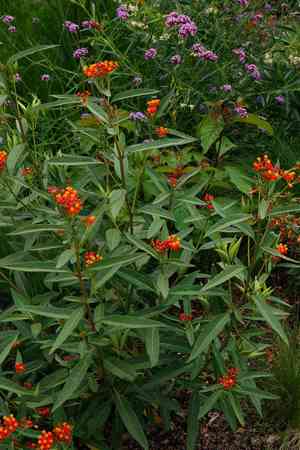
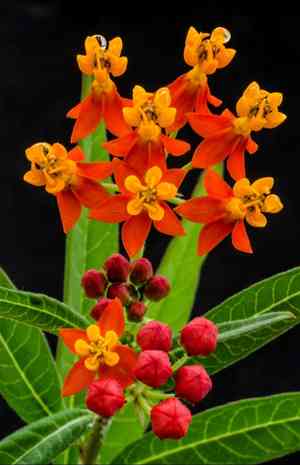
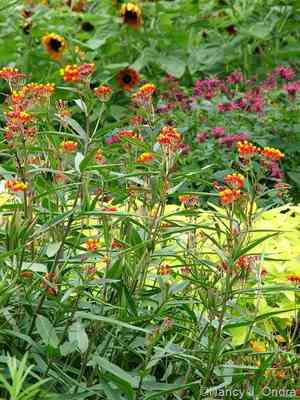
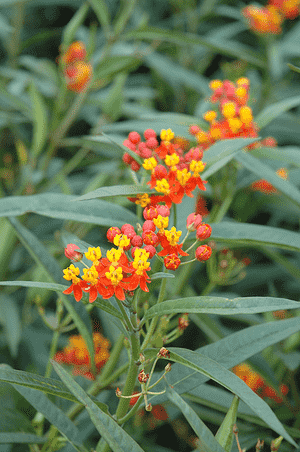
Quickly Identify Bloodflower
Scientific Classification of Bloodflower
Planting and Growing of Bloodflower
 How to Water Bloodflower?
 What Are the Sunlight Requirements for Bloodflower?
 What Is the Ideal Temperature Range for Bloodflower?
 What Soil is Best for Bloodflower?
 How to Fertilize Bloodflower?
 How to Prune Bloodflower?
 How to Propagate Bloodflower plant?
 How to Repot Bloodflower plant?
Toxicity of Bloodflower
Is Bloodflower toxic to humans?
Bloodflowers possess a moderate level of toxicity for humans. Every part of the bloodflower plant, similar to all varieties in the Milkweed family, contains dangerous cardiac glycosides. When consumed, these glycosides may lead to symptoms such as vomiting, confusion, fatigue, and muscle cramps. Incidents of bloodflower poisoning in humans are quite rare, as there are no edible look-alikes, despite the plants' widespread presence. Their appeal to butterflies has made them a popular choice in parks and gardens throughout North America. The primary risk lies with inquisitive children, who should be kept from tasting these plants.
Is Bloodflower toxic to cat?
Asclepias curassavica, often referred to as bloodflower, presents a moderate risk of toxicity for cats. If any component of bloodflower is ingested, felines may be susceptible to poisoning. It is important for owners to recognize that every part of bloodflower, including its leaves, stems, flowers, and seeds, is toxic to cats. Cats that consume parts of the bloodflower may show signs of physical distress or illness. If ingestion is suspected, it is vital for cat owners to seek immediate medical attention at a veterinary clinic to ensure their pet has the best opportunity for a complete recovery.
Is Bloodflower toxic to dog?
Bloodflower presents a moderate toxicity hazard for dogs. When any part of this plant is ingested by dogs, they are at risk of poisoning due to its toxic characteristics. The entire plant, encompassing leaves, stems, flowers, and seeds, is detrimental if consumed by canines. Signs of poisoning in dogs may manifest as vomiting, diarrhea, lethargy, and in severe situations, seizures or respiratory distress. It is essential for dog owners to remain alert and prevent their pets from gaining access to bloodflower. If a dog does consume this plant, it is vital to seek prompt veterinary assistance to secure the best possible outcome for the affected animal.



