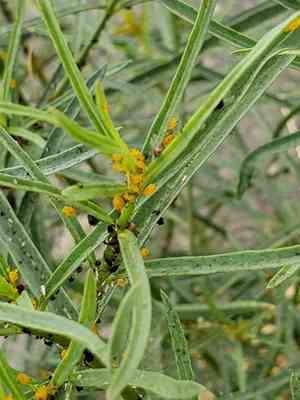
Narrowleaf milkweed (Asclepias fascicularis)
Also known as: Mexican milkweed, Narrow-leaf milkweed
Narrowleaf milkweed (Asclepias fascicularis) is crucial for Monarch Butterflies, as they rely on its nectar for sustenance. In return, Monarchs help pollinate this plant, aiding its reproduction. Additionally, the seedpods of narrowleaf milkweed are excellent for dried flower arrangements, adding a unique touch.
Attributes of Narrowleaf milkweed
Images of Narrowleaf milkweed
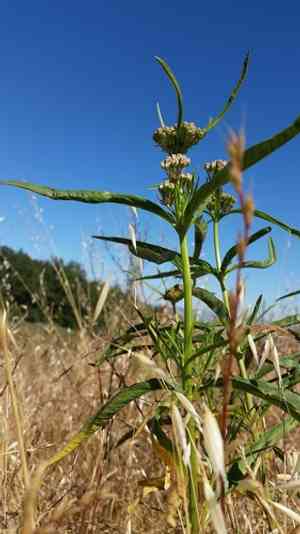
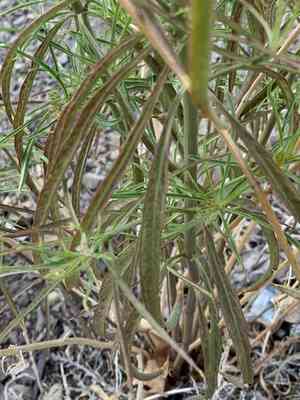
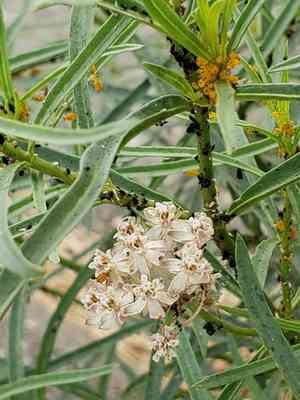
Quickly Identify Narrowleaf milkweed
Scientific Classification of Narrowleaf milkweed
Planting and Growing of Narrowleaf milkweed
 How to Water Narrowleaf milkweed?
 What Are the Sunlight Requirements for Narrowleaf milkweed?
 What Is the Ideal Temperature Range for Narrowleaf milkweed?
 What Soil is Best for Narrowleaf milkweed?
 How to Fertilize Narrowleaf milkweed?
 How to Prune Narrowleaf milkweed?
 How to Propagate Narrowleaf milkweed plant?
 How to Repot Narrowleaf milkweed plant?
Toxicity of Narrowleaf milkweed
Is Narrowleaf milkweed toxic to humans?
Every component of the narrowleaf milkweed possesses cardenolides, which are known to be moderately to severely toxic when consumed. The sap of the plant is the most hazardous part. Indications of narrowleaf milkweed poisoning may include gastrointestinal discomfort, nausea, abdominal cramps, vomiting, diarrhea, weakness, lethargy, and disorientation. In extreme cases, ingestion could lead to alterations in heart rhythm, seizures, respiratory failure, and even fatal outcomes. Additionally, even in the absence of ingestion, narrowleaf milkweed should be handled cautiously, as the plant's sap may irritate the skin and eyes.
Is Narrowleaf milkweed toxic to cat?
Narrowleaf milkweed presents a moderate risk of toxicity to cats. If cats consume any part of this plant, it could result in poisoning. Curiosity or accidental ingestion may lead cats to eat this plant. Following ingestion, cats may display symptoms of physical discomfort, which can appear as illness or pain. Considering these potential dangers, it is essential for cat owners to keep a close watch on their pets and restrict access to narrowleaf milkweed. If there is any suspicion that a cat has eaten any portion of narrowleaf milkweed, it is crucial to quickly seek veterinary care to treat the poisoning and reduce health risks.
Is Narrowleaf milkweed toxic to dog?
Narrowleaf milkweed presents a moderate toxicity risk for dogs. If any part of the plant is ingested by dogs, they can suffer from poisoning due to its inherently toxic properties. This poisoning commonly occurs when dogs consume the various components of narrowleaf milkweed, including its leaves, stems, flowers, and seeds. Following ingestion of narrowleaf milkweed, affected dogs may show symptoms such as vomiting, diarrhea, weakness, respiratory difficulties, or dilated pupils. It is essential for dog owners to keep a vigilant eye on their pets and restrict their access to this particular plant. Should a dog consume narrowleaf milkweed, it is vital to seek prompt veterinary assistance to secure the most favorable outcome for the affected pet.



