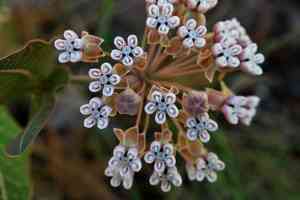
Pinewoods Milkweed(Asclepias humistrata)

Pinewoods Milkweed (Asclepias humistrata)

Also known as: Pink-veined Milkplant

The Asclepias humistrata, also known as pinewoods milkweed, is a perennial plant that showcases pink to white flowers during the spring and summer. It typically thrives in sandy woodlands and hilly areas, favoring dry soil and sunny environments.

Attributes of Pinewoods Milkweed

Lifespan
Perennial
Plant Type
Herb
Plant Height
30 cm to 91 cm
Spread
60 cm
Leaf Color
Green Gray Purple
Flower Size
2.5 cm
Flower Color
White Pink

PlantJoy - Identify plants with a snap

Identify and diagnose plants, get toxicity alerts, and explore safety guides for all types of fungi.

Try for Free

Images of Pinewoods Milkweed

Pinewoods Milkweed(Asclepias humistrata)

Quickly Identify Pinewoods Milkweed

1
Erect or sprawling growth, 1-3 feet (30-90 cm) tall and wide.
2
Pink/gray reflexed petals in terminal umbels with whitish hoods.
3
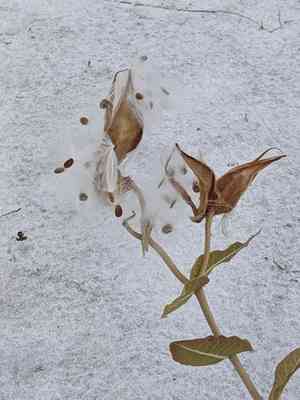
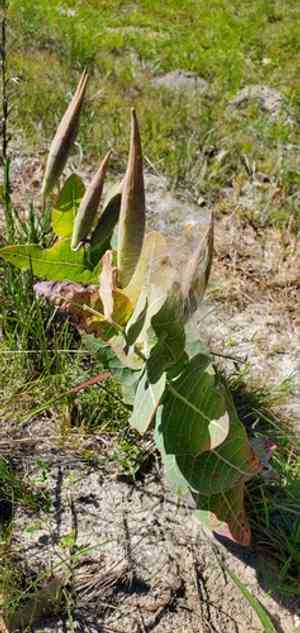
Slender, 3-6 inches (7.6-15.2 cm) fruit pods with tufted seeds.
4
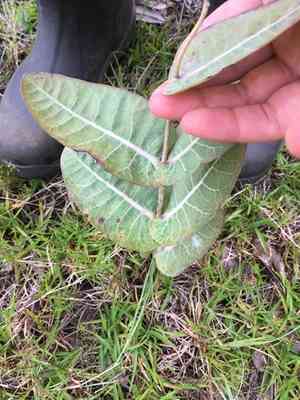
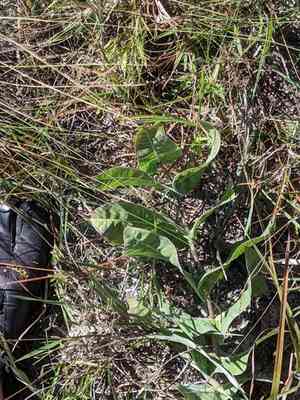
Evergreen ovate leaves with pink to purple veins, 2-4 inches (5-10 cm) long.
5
Smooth purplish unbranched stems, 0.2-0.4 inches (5-10 mm) in diameter.

Scientific Classification of Pinewoods Milkweed

Phylum
Vascular plants
Class
Dicotyledons
Order
Gentianales
Family
Dogbane
Genus
Milkweeds
Species
Pinewoods Milkweed

Planting and Growing of Pinewoods Milkweed

Care Difficulty
Easy
Watering Schedule
Every 2 days
Sunlight Requirements
Full sun
Sunshine Duration
6-10 hours
Ideal Temperature
70-85℉
Soil Type
Potting Mix, Peat Mix
Soil pH
6.5-7.5
Fertilizer Type
Balanced
Pruning Season
Spring, Summer
Pruning Area
Branches, Leaves
Pruning Frequency
2 times a year
Repotting Season
Spring
Pot Type
Plastic, Ceramic

water icon How to Water Pinewoods Milkweed?

For Asclepias humistrata, apply water until the soil is evenly moist but not waterlogged, approximately 150 ml per session. Ensure the water penetrates down to the root zone while allowing for excellent drainage to mimic its natural sandy habitat.
What are the symptoms of an underwatered Pinewoods Milkweed?
What should I do if my Pinewoods Milkweed is not getting enough water?
What are the symptoms of an overwatered Pinewoods Milkweed?
How to save an overwatered Pinewoods Milkweed?

sunlight icon What Are the Sunlight Requirements for Pinewoods Milkweed?

Sunlight Requirements: Full sun, Partial sun
Duration of light: 6-8 hours daily
Asclepias humistrata does best in full to partial sun, meaning an exposure of at least six hours. This range ensures robust growth and a prolific flowering cycle, benefiting its health and vibrancy.
How much sunlight does Asclepias humistrata need?
What are the best solutions to achieve ideal lighting?
How will ideal lighting impact its health?

temperature icon What Is the Ideal Temperature Range for Pinewoods Milkweed?

Ideal Temperature: 70 ~ 85℉
For Asclepias humistrata, the ideal temperature range is between 70°F and 85°F. This range provides optimal conditions for growth and encourages healthy foliage and root development. Maintaining temperatures within this range ensures vigorous growth and increases resilience against pests and diseases. Careful monitoring is essential to provide a stable environment for this plant.

soil icon What Soil is Best for Pinewoods Milkweed?

Soil type: Sandy soil, Sandy loam
Soil PH: 6.5 ~ 7.5
Asclepias humistrata thrives in well-drained soil, as it ensures that the roots do not remain waterlogged. This prevents root rot and promotes healthy plant growth by facilitating proper nutrient absorption. This plant prefers slightly alkaline soil with a pH up to 7.5, which helps in nutrient availability and absorption, enhancing overall plant vigor and resistance to diseases. While some organic matter is beneficial, Asclepias humistrata grows best in soil that is not excessively rich. A moderate level of organic content helps maintain the natural habitat conditions and supports its growth.

fertilize icon How to Fertilize Pinewoods Milkweed?

Fertilizer type: Balanced
Asclepias humistrata, commonly known as sandhill milkweed, requires a balanced approach to fertilization. A liquid fertilizer should be diluted to about half of the recommended strength. It's important not to over-fertilize as these plants naturally thrive in nutrient-poor sandy soils.

prune icon How to Prune Pinewoods Milkweed?

Pruning Time: Spring, Summer
Begin by identifying any dead or damaged stems that need to be removed from the plant. Use sharp pruning scissors to make clean cuts just above a healthy leaf node. This method not only revitalizes the plant but also encourages new growth, ensuring that the plant maintains a tidy and attractive appearance. To maintain Asclepias humistrata's size and shape, trim back the stems evenly around the plant. Focus on maintaining a balanced appearance without over-pruning. Trim larger stems in small increments to prevent shock to the plant, gradually achieving the desired look while encouraging denser growth.

propagate icon How to Propagate Pinewoods Milkweed plant?

Propagate Time: Spring, Early summer
1
To propagate Asclepias humistrata from seeds, first allow the pods to dry on the plant. Once they split open, you can collect the seeds. Make sure to store them in a cool, dry place until you're ready to plant. This step is crucial to ensure seed viability.
2
Mix a blend of peat moss, perlite, and compost to create a well-draining potting mix. This blend should mimic natural conditions, offering a balance of moisture retention and drainage. A quality potting mix can greatly impact seed germination and cutting establishment.
3
Sow the seeds on the surface of the potting mix, gently pressing them down but not covering them entirely, as they need light to germinate. Space them appropriately to avoid overcrowding. Mist the surface to keep it moist but never waterlogged.

repot icon How to Repot Pinewoods Milkweed plant?

Repotting frequency: Every 2 to 3 years
1
Asclepias humistrata should be repotted when you notice roots emerging from the pot holes or when growth appears stunted despite proper care. These are clear signals that the plant needs more space to expand and thrive.
2
Select a pot with good drainage to ensure excess water escapes, preventing root rot. Opt for a pot that's just one size larger—too much space can lead to moisture retention issues, causing root decay over time.
3
A sandy loam mix is ideal due to its ability to drain efficiently while still retaining adequate moisture and nutrients. This ensures that the plant's roots have the space they need to spread without getting waterlogged.

PlantJoy - Identify plants with a snap

Find the best spots for them to optimize their health, simply using your phone.

Try for Free

Toxicity of Pinewoods Milkweed

Is Pinewoods Milkweed toxic to humans?

Pinewoods Milkweed is toxic when ingested or upon contact with its sap. The degree of poisoning can range from mild to severe. Every part of the plant that contains sap, including the stems and leaves, is poisonous. Skin contact may result in irritation, rashes, and blisters. Symptoms of ingestion may include vomiting, stupor, physical weakness, and muscle spasms. Individual susceptibility to poisoning may differ based on a person's weight, age, and overall health. This plant has an appealing appearance for children, which increases their vulnerability to its toxic effects.

Identify toxic plants for your safety

Learn which plants are harmful to you and your pets, and make informed choices for a safer home!

Try for Free
WARNING
The judgment on toxicity and danger is for reference only. We DO NOT GUARANTEE any accuracy of such judgment. Therefore, you SHALL NOT rely on such judgment. It is IMPORTANT TO SEEK PROFESSIONAL ADVICE in advance when necessary.