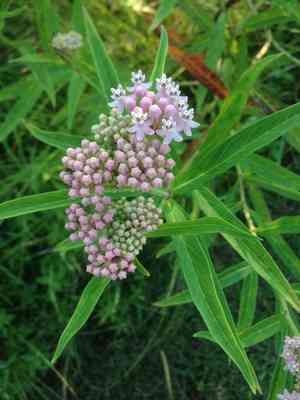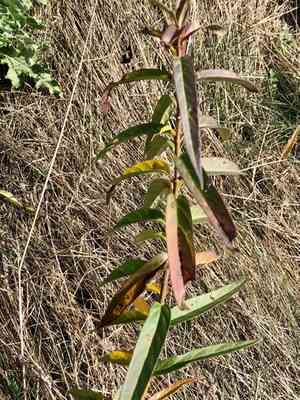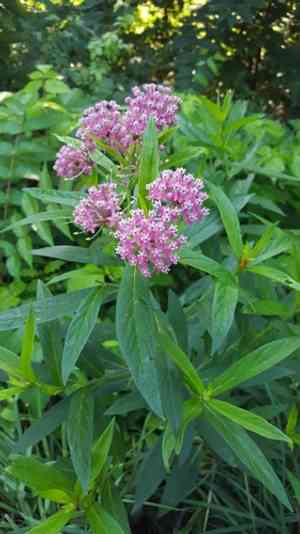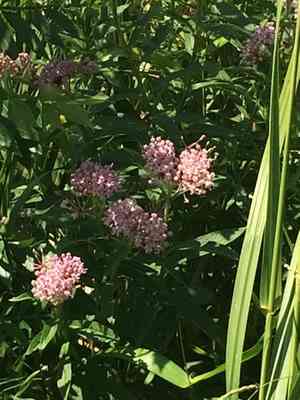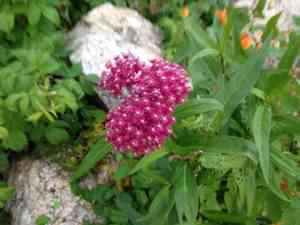
Swamp milkweed(Asclepias incarnata)

Swamp milkweed (Asclepias incarnata)

Also known as: Rose milkflower, White indian hemp

Swamp Milkweed, scientifically known as Asclepias incarnata, is a native plant species found in Canada and the continental United States. It entices butterflies with its nectar and emits a gentle vanilla fragrance. Additionally, its stems release a toxic milky sap.

Attributes of Swamp milkweed

Lifespan
Perennial
Plant Type
Herb
Plant Height
1 m to 1.5 m
Spread
60 cm to 90 cm
Leaf Color
Green Blue
Flower Size
6 mm
Flower Color
Pink White Red

PlantJoy - Identify plants with a snap

Identify and diagnose plants, get toxicity alerts, and explore safety guides for all types of fungi.

Try for Free

Images of Swamp milkweed

Swamp milkweed(Asclepias incarnata)

Quickly Identify Swamp milkweed

1
3-5 feet (90-150 cm) height
2
Distinctive pink to mauve flowers
3
Toxic milky sap from cut stem
4
Smooth, lanceolate leaves with pointed apex
5
Fruit pods split to release seeds with hair-like tufts

Scientific Classification of Swamp milkweed

Phylum
Vascular plants
Class
Dicotyledons
Order
Gentianales
Family
Dogbane
Genus
Milkweeds
Species
Swamp milkweed

Planting and Growing of Swamp milkweed

Care Difficulty
Easy
Watering Schedule
Every 4 days
Sunlight Requirements
Full sun
Sunshine Duration
6-10 hours
Ideal Temperature
70-80℉
Soil Type
Potting Mix, Peat Mix
Soil pH
6.5-7.5
Fertilizer Type
Balanced
Pruning Season
Spring, Summer
Pruning Area
Branches, Leaves
Pruning Frequency
Once a year
Repotting Season
Spring
Pot Type
Plastic, Ceramic

water icon How to Water Swamp milkweed?

For Asclepias incarnata, the watering amount should be generous to keep the soil consistently moist but not waterlogged. Aim for about 500 milliliters each time until the soil is evenly saturated but avoid standing water. This plant enjoys a moist environment, especially during the growing season.
What are the symptoms of an underwatered Swamp milkweed?
What should I do if my Swamp milkweed is not getting enough water?
What are the symptoms of an overwatered Swamp milkweed?
How to save an overwatered Swamp milkweed?
More About Watering Techniques

sunlight icon What Are the Sunlight Requirements for Swamp milkweed?

Sunlight Requirements: Full sun, Partial sun
Duration of light: 6 to 8 hours daily
This plant flourishes in areas that receive full to partial sun, with 6 to 8 hours of sunlight optimal for lush growth and vibrant blooms.
How much sunlight is optimal?
Solutions for achieving ideal sunlight levels?
Benefits of receiving ideal sunlight?
More About Sunlight Requirements Techniques

temperature icon What Is the Ideal Temperature Range for Swamp milkweed?

Ideal Temperature: 70 ~ 80℉
The ideal temperature range for growing Asclepias incarnata is between 70 and 80 degrees Fahrenheit. This range promotes optimal growth and blooming conditions. It ensures adequate warmth for root development and supports robust plant health. By maintaining temperatures in this range, the plant's metabolic processes function efficiently, leading to vigorous growth and vibrant flowering. It's important to monitor temperature fluctuations carefully to ensure they remain within this ideal range for the best results.

soil icon What Soil is Best for Swamp milkweed?

Soil type: Loam, Sandy loam
Soil PH: 6.5 ~ 7.5
Asclepias incarnata thrives in well-drained soil, which prevents waterlogging and root rot. This requirement ensures that the roots receive adequate oxygen, promoting healthier growth and vibrant blooms. This plant benefits from soils that can retain moisture without becoming waterlogged. Loamy or sandy loam soils meet this requirement by holding enough moisture to sustain growth during dry spells while allowing excess water to drain away quickly. The plant flourishes in nutrient-rich soils that provide essential minerals and nutrients. A loamy soil naturally offers this, supporting vigorous growth and the plant's ability to attract pollinators with its vibrant flowers. More About Soil

fertilize icon How to Fertilize Swamp milkweed?

Fertilizer type: Balanced
Asclepias incarnata, commonly known as swamp milkweed, shows optimal growth with balanced fertilization. Utilizing a liquid fertilizer with a 10-10-10 NPK ratio, apply approximately half a teaspoon per gallon of water to ensure robust health and vibrant blooms. More About Fertilizing Techniques

prune icon How to Prune Swamp milkweed?

Pruning Time: Spring, Autumn
Asclepias incarnata can release a milky sap when cut, which might irritate the skin. Wear gloves to protect yourself during the pruning process. Consider leaving some stems unpruned to provide winter habitat for beneficial insects and also for wildlife that feed on the seeds and insects inhabiting the plant. While pruning, make sure not to remove too much plant material. Over-pruning can reduce the plant's vigor and lead to decreased flowering performance in the growing season. More About Pruning Techniques

propagate icon How to Propagate Swamp milkweed plant?

Propagate Time: Spring, Early summer
1
Begin by collecting seeds from mature Asclepias incarnata plants. Allow the seed pods to dry on the plant before harvesting. Once collected, store the seeds in a cool, dry place until you're ready to plant them.
2
Select healthy stems that do not have any flowers. Use sharp pruning shears to cut 4-6 inches sections. Remove the lower leaves, leaving a few leaves at the top to aid in photosynthesis.
3
For seed propagation, plant seeds in a seedling tray with moist potting soil. Cover with a light layer of soil. For cuttings, dip the cut end in rooting hormone before planting in a pot with well-draining soil.
More About Propagating Techniques

repot icon How to Repot Swamp milkweed plant?

Repotting frequency: Every 2-3 years
1
Asclepias incarnata exhibits signs of needing a repot when roots start to appear through drainage holes, growth becomes stunted, or the soil dries out rapidly after watering. These are indications that the plant is root-bound or that it has depleted essential nutrients in the soil. The optimal time to repot is during the growing seasons of spring or summer when the plant can recover quickly with abundant warm light.
2
Select a pot that is 1-2 inches larger in diameter than the current one; this allows extra space for root expansion while not overwhelming the plant with excessive soil that can lead to poor drainage. Opting for a pot with drainage holes is vital for preventing waterlogging, which can harm the plant by causing root rot. Additionally, materials like terracotta offer benefits such as breathability, helping maintain a healthy root environment.
3
The soil mix for Asclepias incarnata should be well-drained and loamy, with components such as peat, perlite, and sand to provide aeration and prevent compaction. This type of soil allows water to permeate evenly without saturating the roots, ensuring each watering provides optimal hydration while avoiding root rot. By maintaining a balanced moisture level, the plant can establish itself more robustly in its new pot.

PlantJoy - Identify plants with a snap

Find the best spots for them to optimize their health, simply using your phone.

Try for Free

Toxicity of Swamp milkweed

Is Swamp milkweed toxic to humans?

Swamp milkweed is composed of various toxic substances, including resinoids and cardiac glycosides, present in every part of the plant. Toxicity symptoms usually manifest within a few hours post-ingestion and can involve vomiting, diarrhea, nausea, abdominal pain, weakness, stupor, and confusion. Ingesting significant quantities of swamp milkweed may exacerbate symptoms, potentially resulting in seizures, heart rhythm abnormalities, and a rapid decrease in heart rate. In extreme cases, this may progress to a comatose state, paralysis, and even death.

Is Swamp milkweed toxic to cat?

Swamp milkweed is recognized for its moderate toxicity to cats. If felines consume any portion of this plant, they face the risk of poisoning due to the toxic nature of all its parts. Following ingestion, a cat may display symptoms such as physical discomfort, sickness, or pain. Owners should remain vigilant regarding these health dangers and keep a close eye on their pets for any unusual behavior. If poisoning is suspected, it is essential to promptly seek professional medical care from a veterinary clinic, as timely intervention can be vital for the pet’s recovery.

Is Swamp milkweed toxic to dog?

Swamp milkweed presents a moderate toxicity hazard for dogs. If dogs consume any portion of this plant, they face a risk of poisoning due to its harmful properties. Every part of the plant, including leaves, stems, flowers, and seeds, can be detrimental if ingested by canines. Signs of poisoning in dogs may consist of vomiting, diarrhea, lethargy, respiratory distress, and dilated pupils. It is essential for dog owners to remain alert and prevent their pets from accessing or eating swamp milkweed. If a dog does ingest swamp milkweed, seeking immediate veterinary intervention is vital to secure the best possible recovery for the affected pet.

Identify toxic plants for your safety

Learn which plants are harmful to you and your pets, and make informed choices for a safer home!

Try for Free
WARNING
The judgment on toxicity and danger is for reference only. We DO NOT GUARANTEE any accuracy of such judgment. Therefore, you SHALL NOT rely on such judgment. It is IMPORTANT TO SEEK PROFESSIONAL ADVICE in advance when necessary.
More About Toxic Techniques