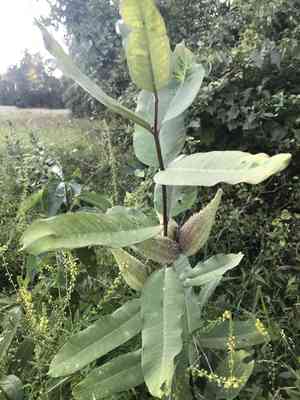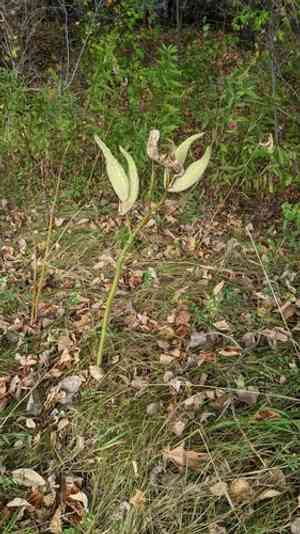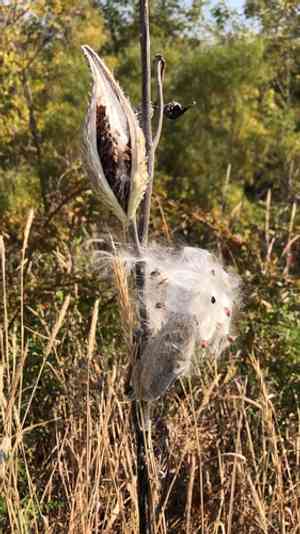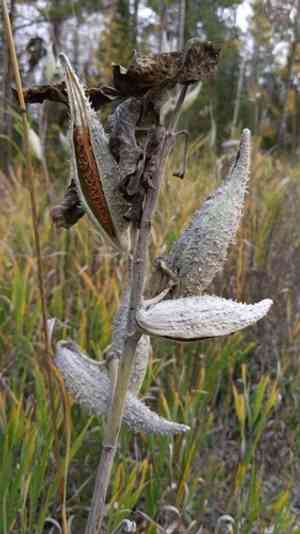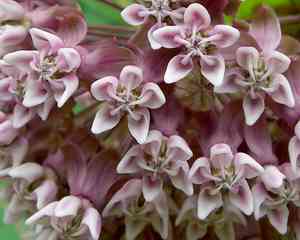
Common milkweed(Asclepias syriaca)

Common milkweed (Asclepias syriaca)

Also known as: Butterfly flower

Common milkweed, scientifically known as Asclepias syriaca, is a perennial herb found in North America. It produces a milky latex that can be harmful to larger mammals, such as sheep and cows, if ingested in significant quantities. This plant is particularly attractive to various insects, especially monarch butterflies.

Attributes of Common milkweed

Lifespan
Perennial
Plant Type
Herb
Plant Height
90 cm to 1.2 m
Spread
22 cm to 30 cm
Leaf Color
Green
Flower Size
4 mm to 6 mm
Flower Color
Pink Purple White

PlantJoy - Identify plants with a snap

Identify and diagnose plants, get toxicity alerts, and explore safety guides for all types of fungi.

Try for Free

Images of Common milkweed

Common milkweed(Asclepias syriaca)

Quickly Identify Common milkweed

1
Milky sap exudes from stems and leaves when broken.
2
Distinctive domed umbels of dusty pink or lavender flowers.
3
Fruit is a warty, gray follicle with fine hair and spikes.
4
Oppositely arranged, oblong leaves with milky sap when crushed.
5
Upright stems reaching up to 6 feet with slightly hairy texture.

Scientific Classification of Common milkweed

Phylum
Vascular plants
Class
Dicotyledons
Order
Gentianales
Family
Dogbane
Genus
Milkweeds
Species
Common milkweed

Planting and Growing of Common milkweed

Care Difficulty
Easy
Watering Schedule
Every 2 days
Sunlight Requirements
Full sun
Sunshine Duration
4-6 hours
Ideal Temperature
68-86℉
Soil Type
Potting Mix, Peat Mix
Soil pH
6.5-7.5
Fertilizer Type
Balanced
Pruning Season
Spring, Summer
Pruning Area
Branches, Leaves
Pruning Frequency
2 times a year
Repotting Season
Spring
Pot Type
Plastic, Ceramic

water icon How to Water Common milkweed?

For Asclepias syriaca, water until the soil is moist but not waterlogged. Ensure that excess water drains out to avoid root rot, as this plant prefers slightly drier conditions.
What are the symptoms of an underwatered Common milkweed?
What should I do if my Common milkweed is not getting enough water?
What are the symptoms of an overwatered Common milkweed?
How to save an overwatered Common milkweed?

sunlight icon What Are the Sunlight Requirements for Common milkweed?

Sunlight Requirements: Full sun
Duration of light: 6-8 hours
Asclepias syriaca prefers full sun exposure, enhancing its ability to produce bright blooms and support a healthy ecosystem of pollinators like butterflies.
What is the ideal light intensity for Asclepias syriaca?
How can I ensure optimal light exposure for Asclepias syriaca?
What benefits does ideal lighting bring to Asclepias syriaca?

temperature icon What Is the Ideal Temperature Range for Common milkweed?

Ideal Temperature: 68 ~ 86℉
For Asclepias syriaca, the ideal temperature range for growth is between 68°F and 86°F. This range ensures optimal physiological processes, such as photosynthesis and nutrient uptake. It supports the plant's growth by maintaining suitable conditions for metabolic activities and overall health.

soil icon What Soil is Best for Common milkweed?

Soil type: Sandy soil, Loam, Sandy loam
Soil PH: 6.5 ~ 7.5
Asclepias syriaca flourishes in well-drained soils that prevent waterlogging and root rot. The plant's extensive root system benefits from soil structures that allow air circulation and adequate drainage, promoting healthy growth. This plant prefers soils rich in organic matter, providing essential nutrients that support robust stem and leaf development. An abundance of nutrients helps the plant to produce vibrant, colorful flowers which attract pollinators. While it can tolerate periods of drought, Asclepias syriaca performs best in soils that retain moderate moisture. This enables the plant to sustain its growth during dry spells without sacrificing metabolic activity.

fertilize icon How to Fertilize Common milkweed?

Fertilizer type: Balanced
Common milkweed (Asclepias syriaca) prefers a balanced approach to fertilization. During the active growing season, apply a balanced liquid fertilizer once a month at half the recommended strength to avoid nutrient buildup and ensure healthy growth.

prune icon How to Prune Common milkweed?

Pruning Time: Spring, Summer
Start by inspecting the plant for any dead or diseased stems, which need to be removed entirely. Use sharp, clean pruning shears and make cuts at a 45-degree angle to avoid water pooling. Trim back overly long stems to the desired length, ensuring you cut above a leaf node to encourage branching. Regularly removing spent flowers (deadheading) will encourage further blooms and help channel energy into new growth rather than seed production.

propagate icon How to Propagate Common milkweed plant?

Propagate Time: Spring, Early spring, Late spring
1
Use a well-draining mix for seed sowing. Maintain the soil moist but not waterlogged by misting it regularly. Proper soil preparation is crucial to avoid mold and provide an nurturing environment.
2
Scatter the seeds evenly across the tray and cover lightly with soil. After sowing, press gently to ensure the seeds have good contact with the soil, which is necessary for successful germination.
3
Select healthy stems and cut below the node. Immediately place the cuttings in water or a moist medium to prevent wilting and encourage early root development.

repot icon How to Repot Common milkweed plant?

Repotting frequency: Every 2-3 years
1
Asclepias syriaca should be repotted when its roots start growing out of the drainage holes or when it becomes root-bound. Another sign is when the plant's growth slows down despite proper care. An ideal time to repot it is in spring or early summer when active growth can benefit from fresh soil and more space.
2
Choose a pot that is one size larger than the current one and has excellent drainage to prevent waterlogging. A slightly larger pot allows the Asclepias syriaca to expand its root system without overwatering issues, promoting robust growth and healthy flowering.
3
Opt for a well-draining, sandy soil mix that mimics the plant's natural environment. This soil composition helps avoid water accumulation around the roots, reducing the risk of root rot and ensuring a firm hold for the plant, facilitating healthy growth.

PlantJoy - Identify plants with a snap

Find the best spots for them to optimize their health, simply using your phone.

Try for Free

Toxicity of Common milkweed

Is Common milkweed toxic to humans?

Common milkweed has the potential to be toxic to humans if a significant quantity of older leaves or ripe fruits is mistakenly consumed. The toxicity arises from a latex found in the leaves and seed pods that contains glycosides. Glycoside poisoning can lead to symptoms such as nausea, vomiting, and abdominal pain. However, to date, there have been no recorded instances of poisoning directly attributed to common milkweed.

Is Common milkweed toxic to cat?

Common milkweed poses a significant toxicity risk to cats, and exposure can happen if these animals inadvertently consume any portion of the plant, since all parts contain toxic substances. When ingested, cats may exhibit symptoms of physical distress, which can vary greatly from mild to severe based on the quantity ingested. It is crucial to observe cats for any indications of illness and to obtain swift veterinary care if poisoning is suspected, as timely intervention is vital for the health and welfare of the affected cat.

Is Common milkweed toxic to dog?

Common milkweed is a highly toxic plant for dogs, presenting considerable health dangers if ingested. Dogs may unintentionally consume various parts of this plant, which can result in poisoning. Every part of common milkweed is deemed poisonous and has the potential to elicit harmful reactions in dogs. Signs of poisoning can include vomiting, diarrhea, lethargy, respiratory distress, and dilated pupils, among others. It is essential for dog owners to remain watchful and prevent their furry companions from coming into contact with or eating any part of common milkweed. Should a dog accidentally consume common milkweed, it is crucial to seek prompt veterinary assistance to secure the best possible outcome for the affected pet.

Identify toxic plants for your safety

Learn which plants are harmful to you and your pets, and make informed choices for a safer home!

Try for Free
WARNING
The judgment on toxicity and danger is for reference only. We DO NOT GUARANTEE any accuracy of such judgment. Therefore, you SHALL NOT rely on such judgment. It is IMPORTANT TO SEEK PROFESSIONAL ADVICE in advance when necessary.