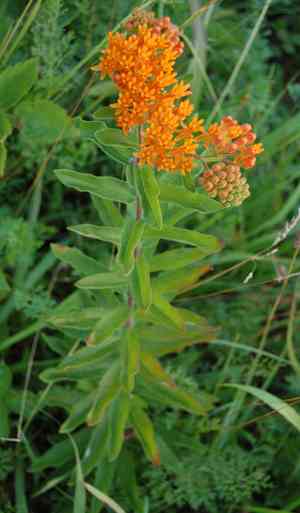
Butterfly weed(Asclepias tuberosa)

Butterfly weed (Asclepias tuberosa)

Also known as: Chiggerflower, Silky swallow-wort

Asclepias tuberosa is widely known as butterfly weed, but it also goes by names such as Canada root, Indian posy, silky swallow-wort, yellow milkweed, butterfly love, and white-root. Historically, both Native Americans and pioneers utilized this plant to create candle wicks.

Attributes of Butterfly weed

Lifespan
Perennial
Plant Type
Herb
Plant Height
30 cm to 1 m
Spread
30 cm to 60 cm
Leaf Color
Green
Flower Size
1 cm
Flower Color
Orange Yellow Red Gold

PlantJoy - Identify plants with a snap

Identify and diagnose plants, get toxicity alerts, and explore safety guides for all types of fungi.

Try for Free

Images of Butterfly weed

Butterfly weed(Asclepias tuberosa)

Quickly Identify Butterfly weed

1
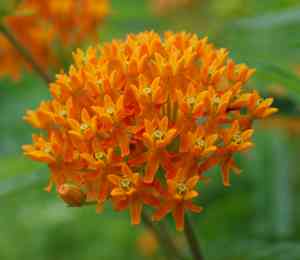
Erect growth, 1-3 feet (30-90 cm) tall, forming clumps.
2
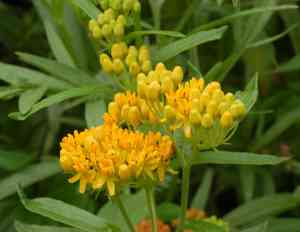
Vibrant orange flowers with unique corona structure.
3
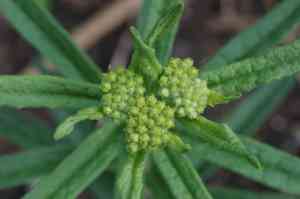
Distinctive lance-shaped leaves, hairy with hispidulous pubescence.
4
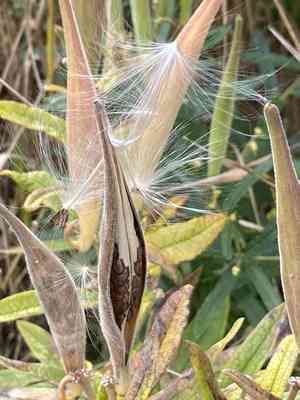
Spindle-shaped fruit pods, smooth with silky, wind-dispersal tufted seeds.
5
Flat-topped floral arrangement with rotate petals and conspicuous corona.

Scientific Classification of Butterfly weed

Phylum
Vascular plants
Class
Dicotyledons
Order
Gentianales
Family
Dogbane
Genus
Milkweeds
Species
Butterfly weed

Planting and Growing of Butterfly weed

Care Difficulty
Easy
Watering Schedule
Every 4 days
Sunlight Requirements
Full sun
Sunshine Duration
6-8 hours
Ideal Temperature
70-85℉
Soil Type
Potting Mix, Peat Mix
Soil pH
6.5-7.5
Fertilizer Type
Balanced
Pruning Season
Spring, Summer
Pruning Area
Branches, Leaves
Pruning Frequency
2 times a year
Repotting Season
Spring
Pot Type
Plastic, Ceramic

water icon How to Water Butterfly weed?

Asclepias tuberosa prefers well-drained soil and does not appreciate being waterlogged. Aim to provide about 500 milliliters of water to keep the soil consistently moist but not soggy. Watering should ensure that the top inch of soil is dry before re-watering, maintaining a balance without allowing the roots to sit in water.
What are the symptoms of an underwatered Butterfly weed?
What should I do if my Butterfly weed is not getting enough water?
What are the symptoms of an overwatered Butterfly weed?
How to save an overwatered Butterfly weed?
More About Watering Techniques

sunlight icon What Are the Sunlight Requirements for Butterfly weed?

Sunlight Requirements: Full sun
Duration of light: 6-8 hours daily
Asclepias tuberosa thrives under full sun, ideally receiving 6 to 8 hours of direct sunlight each day, which enhances photosynthesis, encourages vibrant bloom coloration, and ensures healthy leaf development.
Why does Asclepias tuberosa need full sun?
Solutions for achieving ideal sunlight conditions
Benefits of optimal light exposure
More About Sunlight Requirements Techniques

temperature icon What Is the Ideal Temperature Range for Butterfly weed?

Ideal Temperature: 70 ~ 85℉
The ideal temperature range for growing Asclepias tuberosa is between 70°F and 85°F. This range facilitates optimal photosynthesis and nutrient uptake, ensuring healthy growth and vibrant blooms. Outside this range, the plant may face stress which can affect its development and flowering cycle.

soil icon What Soil is Best for Butterfly weed?

Soil type: Sandy soil, Loam, Sandy loam
Soil PH: 6.5 ~ 7.5
Asclepias tuberosa thrives in well-draining soil, which prevents root rot by allowing excess water to escape. This condition is vital for maintaining plant health, ensuring robust growth and vibrant flowers, especially in areas prone to heavy rainfall. While Asclepias tuberosa doesn't demand highly rich soil, it benefits from soil with moderate fertility levels. This ensures adequate nutrient availability without over-fertilization, promoting steady vegetative growth and abundant flowering. A soil pH between 6.5 and 7.5 is ideal for Asclepias tuberosa. This pH range allows optimal nutrient uptake and bacterial activity, fostering a balanced ecosystem that enhances the plant's resilience to diseases and pests. More About Soil

fertilize icon How to Fertilize Butterfly weed?

Fertilizer type: Balanced
Asclepias tuberosa benefits from a balanced fertilization routine. When using liquid fertilizer, apply one teaspoon per gallon of water and thoroughly drench the soil to ensure even distribution. For slow-release options, apply a balanced granular fertilizer at a rate of 1 to 2 tablespoons per plant, depending on the plant size and soil conditions. More About Fertilizing Techniques

prune icon How to Prune Butterfly weed?

Pruning Time: Spring, Summer
Start by assessing your Asclepias tuberosa for any dead or damaged stems, which should be your primary target. Use sharp, sterilized pruners to cut stems back to the ground level or just above where new growth emerges, typically this is a few inches above the soil. This encourages the plant to invest energy in producing fresh, vibrant shoots and blooms. Focus on thinning areas with dense growth. Identify any weak or crossing branches and remove them to improve air circulation through the plant, enhance light penetration, and reduce disease incidence. This will also allow the eye-catching bright orange flowers to stand out better during their blooming season. More About Pruning Techniques

propagate icon How to Propagate Butterfly weed plant?

Propagate Time: Spring, Early spring, Late spring, Early summer
1
Begin by sowing the seeds indoors in seed trays filled with a seed-starting mix. Lightly cover the seeds with soil and keep the trays in a warm area. Mist the soil regularly to keep it moist but not waterlogged. Seeds will generally sprout within few weeks.
2
Select a healthy stem and use a sterile knife to cut a section 4-6 inches long. Remove the lower leaves to expose the nodes, dip the cut end in rooting hormone to encourage root growth, and plant the cutting in a pot filled with a soilless medium.
3
In the early spring, dig up the roots and select healthy sections. Each section should be 2-3 inches long. Plant these segments in a well-draining medium, ensuring the root end is correctly oriented. Keep the medium moist but not waterlogged.
More About Propagating Techniques

repot icon How to Repot Butterfly weed plant?

Repotting frequency: Every 2-3 years
1
Look for signs such as roots growing out of the drainage holes, a noticeable slowdown in growth, or soil that dries out too quickly. These indicate that Asclepias tuberosa needs more space to thrive.
2
Select a pot that's one size larger than the current one, with good drainage holes. The larger space allows root growth and prevents waterlogging, which can lead to root rot in your Butterfly Weed.
3
Opt for a well-draining mix, ideally sandy loam, incorporating perlite or coarse sand. This promotes aeration and ensures excess water drains efficiently, preventing the roots from becoming waterlogged.

PlantJoy - Identify plants with a snap

Find the best spots for them to optimize their health, simply using your phone.

Try for Free

Toxicity of Butterfly weed

Is Butterfly weed toxic to humans?

Butterfly weed poses a toxicity risk when ingested in its raw form due to the presence of resinoids, cardiac glycosides, and alkaloids. The intensity of adverse symptoms escalates with increasing amounts consumed, leading to potential effects such as vomiting, abdominal bloating, fever, muscle spasms, difficulty in breathing, dilated pupils, and in severe cases, even death from significant quantities, irrespective of whether it is prepared through cooking or not. Additionally, related species within the same genus have been known to induce mild dermatitis upon direct skin contact, signifying another potential hazard associated with butterfly weed.

Is Butterfly weed toxic to cat?

Butterfly weed presents a moderate level of toxicity to felines, posing significant health risks when consumed. Its toxic properties affect every part of the plant, meaning that ingestion of leaves, stems, flowers, or roots can result in poisoning. Upon exposure to butterfly weed, a cat may display physical symptoms of illness or distress, signaling that poisoning has taken place. The symptoms can differ, but swift recognition of the issue is essential. It is imperative that the cat is promptly taken to a veterinary facility for proper treatment and care.

Is Butterfly weed toxic to dog?

Butterfly weed represents a moderate toxicity danger to dogs. If any portion of the plant is ingested by a dog, there is a significant risk of poisoning, since every part of the butterfly weed is deemed toxic. Therefore, dog owners must be proactive in keeping their pets away from this plant. Signs of poisoning can differ but may encompass vomiting, diarrhea, lethargy, and respiratory distress. Should a dog consume any part of butterfly weed, it is crucial to obtain prompt veterinary assistance to ensure the best possible recovery for the pet.

Identify toxic plants for your safety

Learn which plants are harmful to you and your pets, and make informed choices for a safer home!

Try for Free
WARNING
The judgment on toxicity and danger is for reference only. We DO NOT GUARANTEE any accuracy of such judgment. Therefore, you SHALL NOT rely on such judgment. It is IMPORTANT TO SEEK PROFESSIONAL ADVICE in advance when necessary.
More About Toxic Techniques