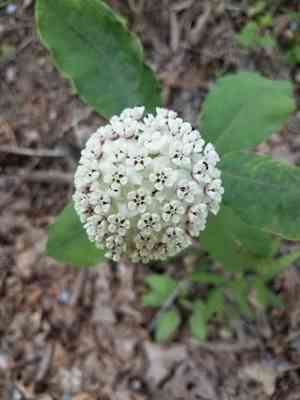
Redring milkweed (Asclepias variegata)
Also known as: Redwing Milkweed, White milkweed
Redring milkweed (Asclepias variegata) is a perennial plant native to the eastern U.S., typically reaching heights of up to 3 feet. It produces clusters of white flowers accented by red or purple rings at the base, blooming from late spring to early summer. The leaves are broad, oval, and opposite, and produce a milky latex if broken. This species thrives in well-drained soils with partial shade to full sun and is commonly found in open woods and along forest edges. Redring milkweed is highly attractive to various pollinators, including bees, butterflies, and wasps. For best visual impact, consider planting in groups.
Attributes of Redring milkweed
Images of Redring milkweed
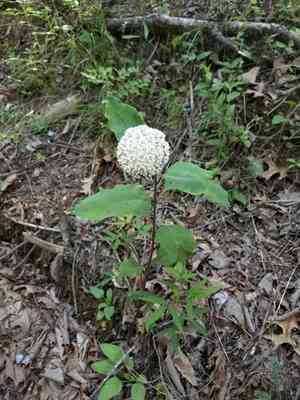
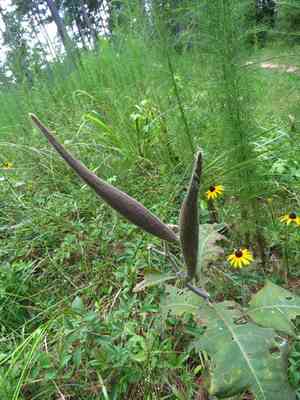
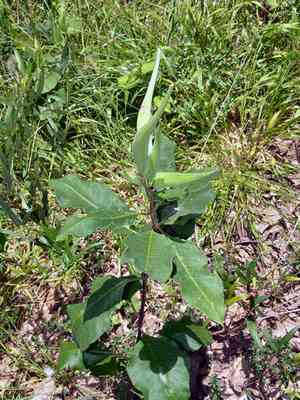
Quickly Identify Redring milkweed
Scientific Classification of Redring milkweed
Planting and Growing of Redring milkweed
 How to Water Redring milkweed?
 What Are the Sunlight Requirements for Redring milkweed?
 What Is the Ideal Temperature Range for Redring milkweed?
 What Soil is Best for Redring milkweed?
 How to Fertilize Redring milkweed?
 How to Prune Redring milkweed?
 How to Propagate Redring milkweed plant?
 How to Repot Redring milkweed plant?
Toxicity of Redring milkweed
Is Redring milkweed toxic to humans?
Contact with the sap of the redring milkweed poses a significant poisoning risk. Urgent attention is necessary if the sap enters the eyes, with potential fatality from consuming large amounts. The toxic element of this plant is the sap, primarily located in its leaves and stems. Initial symptoms manifest as skin irritation. When the sap contacts the eyes, it can lead to corneal endothelial toxicity. Affected individuals may experience blurred vision, heightened sensitivity to light, and severe pain. Notably, symptoms may not appear immediately. If large quantities are ingested, symptoms may include abdominal bloating, dilated pupils, elevated fever, difficulty breathing, and muscle spasms. Due to its popularity as a garden plant, there is a risk of contact, making children and gardeners particularly vulnerable.



