
Pawpaw (Asimina triloba)
Also known as: Papaw, Fetid-bush
The state fruit of Ohio is the pawpaw (*Asimina triloba*), a small tree native to the eastern United States. The pawpaw is celebrated in American folk music and has inspired the names of various U.S. cities.
Attributes of Pawpaw
Images of Pawpaw


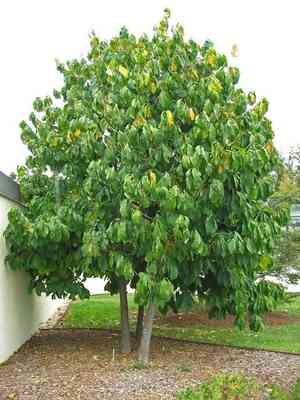

Quickly Identify Pawpaw
Scientific Classification of Pawpaw
Planting and Growing of Pawpaw
 How to Water Pawpaw?
 What Are the Sunlight Requirements for Pawpaw?
 What Is the Ideal Temperature Range for Pawpaw?
 What Soil is Best for Pawpaw?
 How to Fertilize Pawpaw?
 How to Prune Pawpaw?
 How to Propagate Pawpaw plant?
 How to Repot Pawpaw plant?
Toxicity of Pawpaw
Is Pawpaw toxic to humans?
The Pawpaw plant poses a risk of toxicity that may lead to symptoms of poisoning upon ingestion or skin contact. Generally, the effects are mild and stem from the alkaloids found in its fruits, seeds, skins, and leaves. Ingesting parts of this plant can result in symptoms such as abdominal discomfort and headaches, while touching it may lead to skin irritation and redness. Foragers might unintentionally consume the toxic seeds and skins while trying to enjoy the edible fruit. Therefore, wearing gloves is advisable when harvesting or handling the fruits.
Is Pawpaw toxic to cat?
The Pawpaw plant, recognized colloquially as Pawpaw, poses a moderate toxicity threat to felines. Poisoning can happen when a cat consumes various parts of the plant, including the stems, leaves, seeds, or unripe fruit. If a cat ingests these components, it may show signs of distress, suggesting possible poisoning. Should your cat eat any part of the Pawpaw, seeking prompt veterinary assistance is essential to alleviate symptoms and safeguard its health.
Is Pawpaw toxic to dog?
Pawpaw is known to have a moderate level of toxicity for dogs. When canines consume parts of this plant, such as stems, leaves, seeds, or unripe fruit, they can be poisoned. If a dog ingests any of these elements, it might show symptoms that suggest poisoning. These symptoms can include vomiting, diarrhea, abdominal discomfort, and potentially more severe reactions, depending on the quantity consumed. It is crucial for dog owners to keep a close eye on their pets and restrict their access to pawpaw, particularly due to its moderate toxicity level. In the event that a dog does consume any portion of pawpaw, obtaining immediate veterinary assistance is vital to ensure swift and effective treatment.



