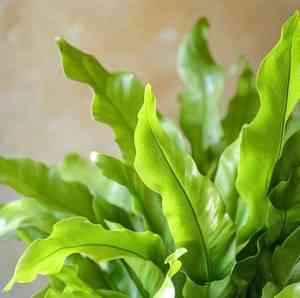
Bird's-nest fern (Asplenium nidus)
Also known as: Nest fern
The bird's-nest fern (Asplenium nidus) is indigenous to the tropical regions of Southeast Asia. The name "bird's-nest fern" comes from the plant's distinctive central rosette, where its fronds emerge, resembling a bird's nest.
In This Article
Plant Comprehensive Care Guide: Beginner's Introduction and Key Details
Perfect for beginners starting their plant care journey
→
10 Secrets to Making Bird's-nest fern Grow Faster (A Must-Read for Beginners)
Advanced tips to accelerate your plant's growth
→
Care "Black Tech": 10 Little-Known Highly Effective Maintenance Tips
Expert-level techniques for optimal plant care
→
Attributes of Bird's-nest fern
Lifespan
Perennial
Plant Type
Fern
Plant Height
50 cm to 1 m
Spread
50 cm to 1 m
Leaf Color
Green
Flower Size
N/A (Ferns do not produce flowers)
Flower Color
N/A (Ferns do not produce flowers)
Images of Bird's-nest fern
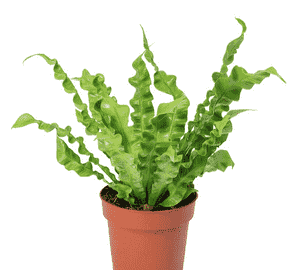
Quickly Identify Bird's-nest fern
1
Stemless growth with rosette base
2
Strap-shaped fronds with wavy edges
3
Distinctive dark brown-black midrib
4
Sporophores on underside for reproduction
5
Leaves with herringbone sori pattern
Scientific Classification of Bird's-nest fern
Phylum
Vascular plants
Class
Ferns
Order
Polypodiales
Family
Spleenwort
Genus
Spleenworts
Species
Bird's-nest fern
Planting and Growing of Bird's-nest fern
Care Difficulty
Easy
Watering Schedule
Every 2 days
Sunlight Requirements
Partial sun
Sunshine Duration
6-8 hours
Ideal Temperature
68-77℉
Soil Type
Potting Mix, Peat Mix
Soil pH
5.5-6.5
Fertilizer Type
Balanced
Pruning Season
Spring, Summer
Pruning Area
Branches, Leaves
Pruning Frequency
2 times a year
Repotting Season
Spring
Pot Type
Plastic, Terracotta
 How to Water Bird's-nest fern?
For Asplenium nidus, it's crucial to maintain consistently moist but not waterlogged soil. Aim to provide approximately 200 ml of water each time, ensuring it's evenly distributed throughout the potting mix. The soil should be moist to the touch, but any excess water should promptly drain away.
More About Watering Techniques→
What are the symptoms of an underwatered Bird's-nest fern?
›
What should I do if my Bird's-nest fern is not getting enough water?
›
What are the symptoms of an overwatered Bird's-nest fern?
›
How to save an overwatered Bird's-nest fern?
›
 What Are the Sunlight Requirements for Bird's-nest fern?
Partial sun is ideal for Asplenium nidus, ensuring exposure to filtered, indirect light. This light range promotes healthy foliage, prevents burn damage, and supports robust fern growth.
More About Sunlight Requirements Techniques→
What is the best light condition for Asplenium nidus?
›
How can I achieve the ideal light condition?
›
What are the benefits of ideal lighting for Asplenium nidus?
›
 What Is the Ideal Temperature Range for Bird's-nest fern?
The ideal temperature range for Asplenium nidus, commonly known as Bird's Nest Fern, is between 68°F and 77°F. Maintaining this temperature range allows the plant to thrive by facilitating optimal physiological processes such as photosynthesis and nutrient absorption. The stable warmth within this range mimics the fern's natural tropical habitat, promoting lush growth and vibrant foliage.
 What Soil is Best for Bird's-nest fern?
Asplenium nidus thrives in soil that allows excess water to drain away efficiently. This mimics their natural habitat where they often grow in tree hollows, providing the roots with necessary aeration while preventing waterlogging. Well-draining soil helps in preventing root rot, promoting healthy plant growth. This plant enjoys a nutrient-rich environment reminiscent of forest floors, which are abundant in organic matter. Ample organic material in the soil enriches it with nutrients and aids in moisture retention, essential for the fern's health and growth. While the soil should drain well, it should also retain some moisture to keep the fern's environment humid. The balance between drainage and moisture retention is crucial because Asplenium nidus prefers consistently moist conditions, akin to its tropical origins.
More About Soil→
 How to Fertilize Bird's-nest fern?
For Asplenium nidus, moderate fertilization is crucial. When using liquid fertilizers, dilute them to half the recommended strength to avoid root burn. Use about 1/4 teaspoon per gallon of water during growing months.
 How to Prune Bird's-nest fern?
Begin by inspecting the plant for dead or yellowing fronds, which can be identified by their brown or yellow color. Gently grasp the base of each frond you wish to remove and use your sterilized shears to cleanly cut the frond close to the base, being careful not to damage any other parts of the plant. Work your way around the plant systematically.
More About Pruning Techniques→
 How to Propagate Bird's-nest fern plant?
1
Spores can be collected from the mature fronds of Asplenium nidus when they turn brown. Gently tap or scrape the spores onto a paper for sowing.
2
Use a porous potting mix rich in organic matter. Ensure the soil is sterilized to reduce the risk of fungal infections in young plants.
3
Carefully remove the plant from its pot, identify natural divisions in the root ball, and separate them using a sharp knife. Replant immediately in moist soil.
 How to Repot Bird's-nest fern plant?
1
You should repot Asplenium nidus when you observe roots growing out of the drainage holes or when it becomes root-bound. Additionally, if the growth seems stunted and the soil is compacted or retains water more than usual, it may be time to repot. Either of these signs indicates the plant's need for more space to grow.
2
Select a pot that is one to two sizes larger than the current one to ensure room for growth. The pot should have adequate drainage holes to prevent water accumulation, which could lead to root rot. A terracotta pot can be a great choice because it allows for soil moisture regulation and improves root aeration.
3
Opt for a well-draining, loose soil mix containing elements like peat, perlite, and orchid bark. This type of mix will enhance drainage while retaining sufficient moisture, mimicking the plant's natural epiphytic conditions. Good soil health is crucial for the plant's root development and overall vitality.



