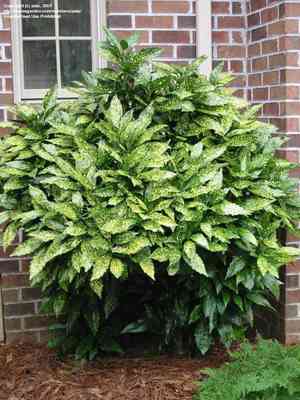
Japanese laurel (Aucuba japonica)
Also known as: Gold dust plant
Japanese laurel (Aucuba japonica) is originally native to Japan and Korea, thriving in moist woodlands and along streams. While it has been introduced as a garden plant in regions such as Europe, East Asia, and the US, it is considered invasive in Virginia, where it can disrupt local ecosystems.
Attributes of Japanese laurel
Images of Japanese laurel
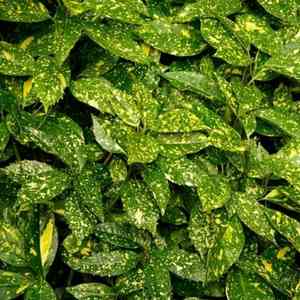
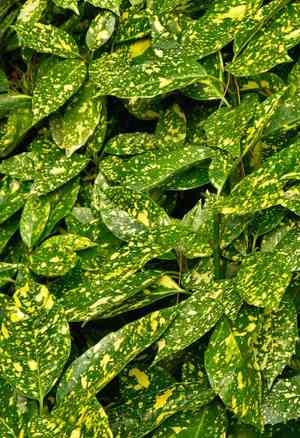
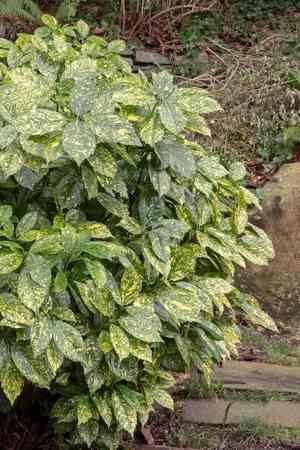
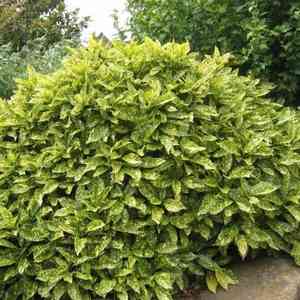
Quickly Identify Japanese laurel
Scientific Classification of Japanese laurel
Planting and Growing of Japanese laurel
 How to Water Japanese laurel?
 What Are the Sunlight Requirements for Japanese laurel?
 What Is the Ideal Temperature Range for Japanese laurel?
 What Soil is Best for Japanese laurel?
 How to Fertilize Japanese laurel?
 How to Prune Japanese laurel?
 How to Propagate Japanese laurel plant?
 How to Repot Japanese laurel plant?
Toxicity of Japanese laurel
Is Japanese laurel toxic to humans?
Japanese laurel is classified as a toxic plant that can be harmful to humans when consumed. The effects of ingestion tend to be mild. The berry-like fruits and leaves contain glycosides that can present a threat to individuals who ingest these parts of the plant. Symptoms can include mild fever, nausea, and vomiting. In survival scenarios, some individuals may eat this plant as a food source, inadvertently consuming the seeds and suffering from these adverse toxic effects. Additionally, some may confuse the berries with a non-toxic variety and inadvertently eat the harmful fruits.
Is Japanese laurel toxic to cat?
Japanese laurel presents a moderate risk of toxicity to cats. Ingestion of any part of the plant can result in poisoning. Since every part of the japanese laurel is toxic, cats may exhibit physical discomfort or indications of pain, necessitating close observation. It is vital for cat owners to keep their pets away from japanese laurel and to remain alert regarding its presence in their surroundings. If there is a suspicion that a cat has ingested japanese laurel, it is imperative to promptly seek veterinary treatment at a clinic.
Is Japanese laurel toxic to dog?
Japanese laurel presents a moderate toxicity threat to dogs. Ingestion of any portion of this plant can result in poisoning. Dogs may suffer from toxicity after chewing on pieces of japanese laurel, a scenario that might occur during their inquisitive exploration or accidental swallowing while outdoors. Typical symptoms of poisoning in dogs can encompass vomiting, diarrhea, abdominal discomfort, and lethargy. It is vital for pet owners to remain alert and keep their dogs away from japanese laurel. Should a dog consume japanese laurel, seeking prompt veterinary attention is imperative to secure the best possible outcome for the animal.



