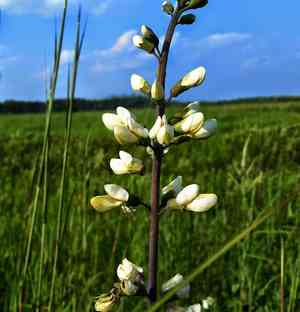
White wild indigo (Baptisia alba)
Also known as: White baptisia, False indigo, White indigo
White wild indigo (*Baptisia alba*) is a perennial wildflower thriving in full sun to partial shade, commonly found in pine woods, riverbanks, and forest margins. It acts as a larval host plant for butterflies like the wild indigo duskywing and the Moroccan duskywing. Additionally, rabbits and deer browse its foliage, and numerous bird species are drawn to its seeds for nourishment.
Attributes of White wild indigo
Images of White wild indigo
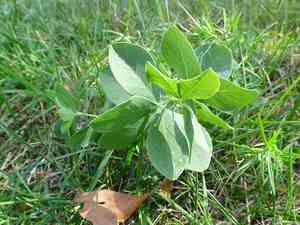
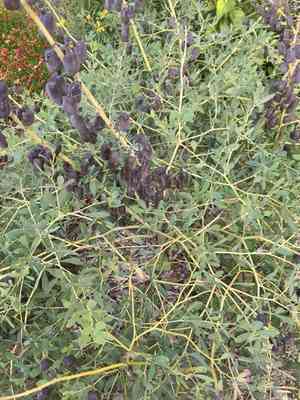

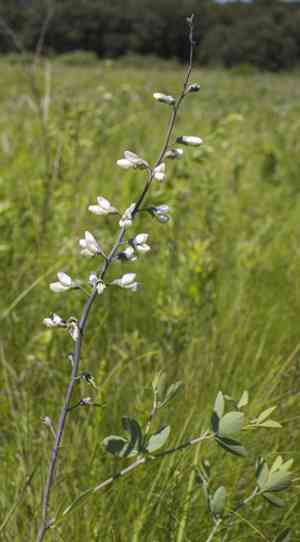
Quickly Identify White wild indigo
Scientific Classification of White wild indigo
Planting and Growing of White wild indigo
 How to Water White wild indigo?
 What Are the Sunlight Requirements for White wild indigo?
 What Is the Ideal Temperature Range for White wild indigo?
 What Soil is Best for White wild indigo?
 How to Fertilize White wild indigo?
 How to Prune White wild indigo?
 How to Propagate White wild indigo plant?
 How to Repot White wild indigo plant?
Toxicity of White wild indigo
Is White wild indigo toxic to humans?
White wild indigo poses two significant risks that render it hazardous to humans. Firstly, every part of this plant contains a natural toxin that can cause severe irritation to the human digestive system. Secondly, it excels at absorbing harmful substances like pesticides and heavy metals from the soil, air, and water. While this helps in purifying the soil, it also means that the tissues of the plant often accumulate these toxic materials. Consequently, consuming the plant can introduce harmful elements such as lead, selenium, pesticides, or other toxins into your body, posing a greater threat to your health than the stomach discomfort and digestive issues caused by white wild indigo itself. It is crucial to keep this plant away from children, particularly young ones, who are more susceptible to its toxic effects.
Is White wild indigo toxic to cat?
White wild indigo is known to have a mild level of toxicity for cats, and felines may experience poisoning if they consume the plant in significant amounts. Every part of white wild indigo exhibits toxic properties, indicating that any section ingested by a cat can lead to a risk of mild poisoning. Should a cat ingest white wild indigo, the owner may observe general signs of physical distress, which can indicate poisoning has occurred. While specific toxic compounds are not detailed, it is essential for pet owners to closely observe their animals for any abnormal behavior or symptoms of illness. In cases where poisoning is suspected, seeking immediate veterinary attention is crucial for timely intervention.
Is White wild indigo toxic to dog?
White wild indigo presents a mild toxicity hazard to dogs. If canines consume significant quantities of this plant, they risk poisoning. Every part of the white wild indigo, including leaves, stems, flowers, and roots, contains toxins, meaning that ingesting any portion could potentially result in poisoning. The symptoms of poisoning may differ but can include gastrointestinal disturbances such as vomiting and diarrhea, lethargy, or more serious manifestations depending on the quantity ingested. It is crucial for dog owners to keep a close eye on their pets and restrict their access to white wild indigo, particularly if the dogs have a habit of chewing on plants. Should a dog ingest white wild indigo, it is vital to seek prompt veterinary attention to guarantee appropriate treatment and symptom management.



