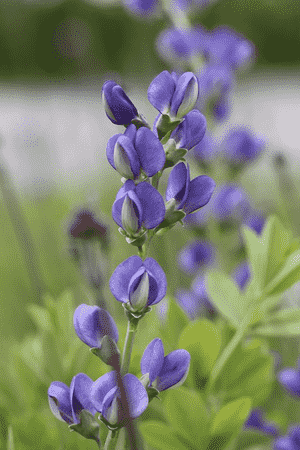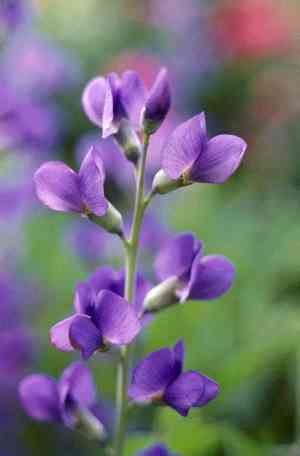
Blue wild indigo(Baptisia australis)

Blue wild indigo (Baptisia australis)

Also known as: Indigo weed, Horsefly weed

Blue False Indigo, scientifically known as Baptisia australis, is a native wildflower of the Eastern United States. It produces striking blue-purple, pea-like flowers during the spring. Interestingly, its plant juice can be used to create a purple dye in the absence of true indigo.

Attributes of Blue wild indigo

Lifespan
Perennial
Plant Type
Herb
Plant Height
1 m to 1.5 m
Spread
60 cm to 1 m
Leaf Color
Green Blue Gray Silver
Flower Size
2.5 cm
Flower Color
Blue Purple

PlantJoy - Identify plants with a snap

Identify and diagnose plants, get toxicity alerts, and explore safety guides for all types of fungi.

Try for Free

Images of Blue wild indigo

Blue wild indigo(Baptisia australis)

Quickly Identify Blue wild indigo

1
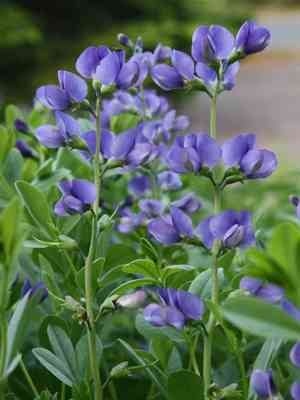
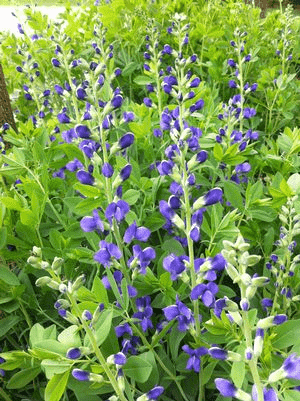
Vivid indigo blue blooms in spring, reaching 3-4 feet (90-120 cm) tall.
2
Trifoliate clover-like leaves with a blue/green hue, turning black when dried.
3
Distinctive puffy seed pods, black when mature, up to 2.5 inches (6.35 cm) long.
4
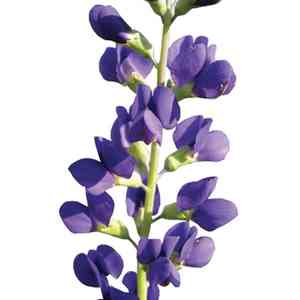
16-inch-tall (40 cm) racemes of irregular, pea-shaped purple/blue flowers.
5
Upright, sturdy stem, woody at the base, herbaceous at the top, reaching 2-4 feet (60-120 cm).

Scientific Classification of Blue wild indigo

Phylum
Vascular plants
Class
Dicotyledons
Order
Legumes, milkworts and allies
Family
Legume
Genus
False Indigo
Species
Blue wild indigo

Planting and Growing of Blue wild indigo

Care Difficulty
Easy
Watering Schedule
Every 2 days
Sunlight Requirements
Full sun
Sunshine Duration
6-10 hours
Ideal Temperature
60-75℉
Soil Type
Potting Mix, Peat Mix
Soil pH
6.5-7.5
Fertilizer Type
Balanced
Pruning Season
Spring, Summer
Pruning Area
Branches, Leaves
Pruning Frequency
2 times a year
Repotting Season
Spring
Pot Type
Plastic, Ceramic

water icon How to Water Blue wild indigo?

Baptisia australis requires a moderate watering approach. It prefers well-drained soil, so make sure to water it until the top few inches are moist, but avoid waterlogging. This careful balance promotes healthy root growth and mimics its natural habitat, providing the necessary hydration without risking root rot.
What are the symptoms of an underwatered Blue wild indigo?
What should I do if my Blue wild indigo is not getting enough water?
What are the symptoms of an overwatered Blue wild indigo?
How to save an overwatered Blue wild indigo?
More About Watering Techniques

sunlight icon What Are the Sunlight Requirements for Blue wild indigo?

Sunlight Requirements: Full sun, Partial sun
Duration of light: 6 to 8 hours
Baptisia australis benefits greatly from full to partial sunlight. This exposure ensures robust plant development and abundant flowering, as well as increased resilience against pests and diseases.
How much light does Baptisia australis ideally need?
What can you do to achieve this ideal lighting?
Benefits of receiving ideal light for Baptisia australis
More About Sunlight Requirements Techniques

temperature icon What Is the Ideal Temperature Range for Blue wild indigo?

Ideal Temperature: 60 ~ 75℉
What is the ideal temperature range for Baptisia australis cultivation? For Baptisia australis, the ideal temperature range is between 60°F and 75°F. This range provides the best conditions for the plant's growth and development, offering a stable environment for its metabolic processes and ensuring optimal blooming.

soil icon What Soil is Best for Blue wild indigo?

Soil type: Loam, Sandy loam
Soil PH: 6.5 ~ 7.5
Baptisia australis thrives in well-drained soil to prevent root rot. Adequate drainage allows excess water to escape, which is crucial for maintaining healthy root systems and preventing waterlogged conditions. Rich, loamy soils provide the necessary nutrients for Baptisia australis to grow robustly. This soil type supports vigorous growth by supplying essential minerals and nutrients required by the plant. A pH between 6.5 to 7.5 ensures optimal nutrient availability for Baptisia australis. This range helps to maintain essential nutrient absorption while preventing mineral lockout, promoting overall plant health. More About Soil

fertilize icon How to Fertilize Blue wild indigo?

Fertilizer type: Balanced
When it comes to fertilizing Baptisia australis, the goal is to mimic its native environment. Generally, you would apply a balanced liquid fertilizer diluted to half strength once every two weeks during the growing season, ensuring not to overdo it as the plant has relatively low nutrient needs. More About Fertilizing Techniques

prune icon How to Prune Blue wild indigo?

Pruning Time: Spring, Summer
Start by cutting back old, woody stems to ground level. This step rejuvenates the plant, stimulates healthy new growth, and promotes a bushier appearance. Trim unwanted or excessive growth to shape the plant to your desired form. This process involves removing any crossed or inward-growing branches to improve air circulation and sunlight exposure throughout the plant. While pruning, step back periodically to ensure the plant maintains a natural, balanced look. Avoid over-pruning as it can stress the plant and reduce its ability to photosynthesize efficiently. More About Pruning Techniques

propagate icon How to Propagate Blue wild indigo plant?

Propagate Time: Spring, Early spring
1
Scarify the seeds to encourage germination. This involves gently nicking or sanding the seed coat to facilitate moisture penetration. Ensure you don't damage the seed embryo in the process.
2
Take semi-hardwood cuttings in early spring. Dip the cut end in a rooting hormone to enhance root development, then plant them in a moist, well-draining medium.
3
During the early spring, dig up mature plants and carefully divide their root systems. Each division should have a healthy number of roots and shoots to ensure successful transplantation.
More About Propagating Techniques

repot icon How to Repot Blue wild indigo plant?

Repotting frequency: Every 2-3 years
1
Look for signs like roots poking out of drainage holes, soil that dries out quickly, or stunted growth. These are indications that Baptisia australis may need more space to thrive. Ideally, repotting should be done in early spring before new growth has fully begun.
2
Select a pot that's 1-2 inches larger in diameter than the current pot. It should have good drainage holes to prevent waterlogging. A larger pot reduces root bounding, providing ample space for root expansion, which promotes healthier growth.
3
Opt for a well-drained, sandy soil mix. The soil should retain some moisture but drain excess water effectively. This balance prevents root rot while providing essential nutrients, supporting the robust growth for which Baptisia australis is known.
More About Repotting Techniques

PlantJoy - Identify plants with a snap

Find the best spots for them to optimize their health, simply using your phone.

Try for Free

Toxicity of Blue wild indigo

Is Blue wild indigo toxic to humans?

Every component of blue wild indigo is regarded as toxic when consumed by humans. The symptoms resulting from ingestion are typically mild and may manifest as abdominal discomfort, diarrhea, nausea, vomiting, and weakness. The toxin responsible for these negative effects is cytisine, which the plant harbors. Unintentional consumption frequently occurs since blue wild indigo bears a resemblance to unripe asparagus.

Is Blue wild indigo toxic to cat?

Blue wild indigo possesses a mild toxic level for cats, which can become a significant concern if a curious cat consumes it in excessive quantities. All parts of this plant present a risk. Pet owners must remain cautious, as ingestion may result in signs of physical distress, necessitating a prompt visit to a veterinary clinic for suitable treatment. It is essential to keep blue wild indigo out of reach of domestic cats to avert the possibility of unintentional poisoning.

Is Blue wild indigo toxic to dog?

Blue wild indigo presents a mild toxicity risk for dogs. Although the plant is not extremely toxic, ingesting it in substantial amounts can result in poisoning. Dogs may experience toxicity from consuming any part of blue wild indigo, as all sections of the plant contain harmful elements. Symptoms of toxicity in dogs may encompass gastrointestinal disturbances, such as vomiting and diarrhea, along with possible lethargy or weakness. It is vital for dog owners to keep a close watch on their pets and prevent them from consuming blue wild indigo, particularly in sizable quantities. If a dog is thought to have ingested blue wild indigo and may be poisoned, it is essential to seek immediate veterinary assistance to ensure proper treatment and management of symptoms.

Identify toxic plants for your safety

Learn which plants are harmful to you and your pets, and make informed choices for a safer home!

Try for Free
WARNING
The judgment on toxicity and danger is for reference only. We DO NOT GUARANTEE any accuracy of such judgment. Therefore, you SHALL NOT rely on such judgment. It is IMPORTANT TO SEEK PROFESSIONAL ADVICE in advance when necessary.
More About Toxic Techniques