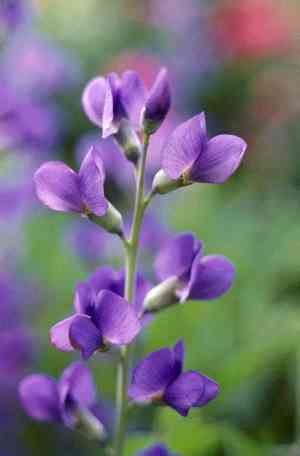
Blue wild indigo (Baptisia australis)
Also known as: Indigo weed, Horsefly weed
Blue False Indigo, scientifically known as Baptisia australis, is a native wildflower of the Eastern United States. It produces striking blue-purple, pea-like flowers during the spring. Interestingly, its plant juice can be used to create a purple dye in the absence of true indigo.
Attributes of Blue wild indigo
Images of Blue wild indigo
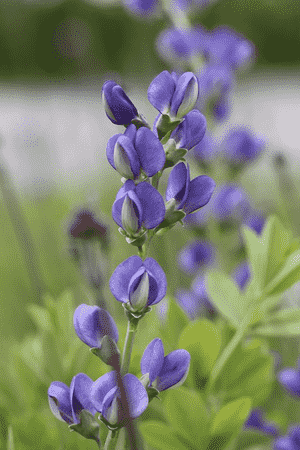
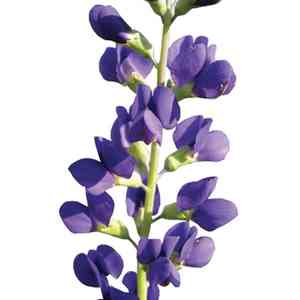
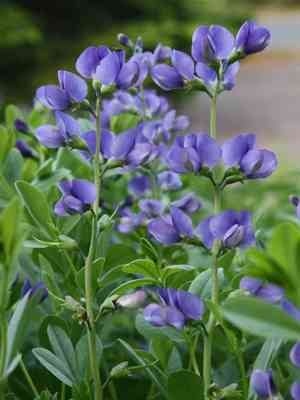
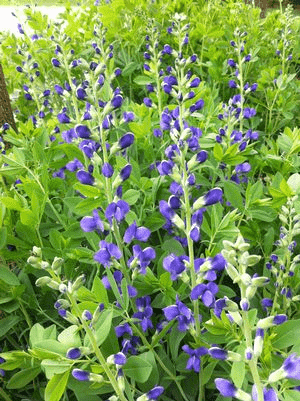
Quickly Identify Blue wild indigo
Scientific Classification of Blue wild indigo
Planting and Growing of Blue wild indigo
 How to Water Blue wild indigo?
 What Are the Sunlight Requirements for Blue wild indigo?
 What Is the Ideal Temperature Range for Blue wild indigo?
 What Soil is Best for Blue wild indigo?
 How to Fertilize Blue wild indigo?
 How to Prune Blue wild indigo?
 How to Propagate Blue wild indigo plant?
 How to Repot Blue wild indigo plant?
Toxicity of Blue wild indigo
Is Blue wild indigo toxic to humans?
Every component of blue wild indigo is regarded as toxic when consumed by humans. The symptoms resulting from ingestion are typically mild and may manifest as abdominal discomfort, diarrhea, nausea, vomiting, and weakness. The toxin responsible for these negative effects is cytisine, which the plant harbors. Unintentional consumption frequently occurs since blue wild indigo bears a resemblance to unripe asparagus.
Is Blue wild indigo toxic to cat?
Blue wild indigo possesses a mild toxic level for cats, which can become a significant concern if a curious cat consumes it in excessive quantities. All parts of this plant present a risk. Pet owners must remain cautious, as ingestion may result in signs of physical distress, necessitating a prompt visit to a veterinary clinic for suitable treatment. It is essential to keep blue wild indigo out of reach of domestic cats to avert the possibility of unintentional poisoning.
Is Blue wild indigo toxic to dog?
Blue wild indigo presents a mild toxicity risk for dogs. Although the plant is not extremely toxic, ingesting it in substantial amounts can result in poisoning. Dogs may experience toxicity from consuming any part of blue wild indigo, as all sections of the plant contain harmful elements. Symptoms of toxicity in dogs may encompass gastrointestinal disturbances, such as vomiting and diarrhea, along with possible lethargy or weakness. It is vital for dog owners to keep a close watch on their pets and prevent them from consuming blue wild indigo, particularly in sizable quantities. If a dog is thought to have ingested blue wild indigo and may be poisoned, it is essential to seek immediate veterinary assistance to ensure proper treatment and management of symptoms.



