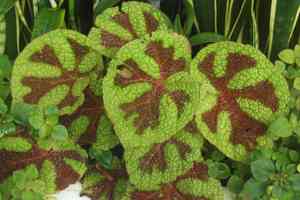
Iron Cross Begonia(Begonia masoniana)

Iron Cross Begonia (Begonia masoniana)

Also known as: Iron Cross Begonia, Stained Glass Begonia

The Iron Cross Begonia is named for the distinctive dark cross pattern on its leaves. While it can produce small flowers, it's primarily cultivated as a houseplant for its striking foliage, as it doesn't tolerate cold temperatures well.

Attributes of Iron Cross Begonia

Lifespan
Perennial
Plant Type
Herb
Plant Height
30 cm to 46 cm
Spread
30 cm to 45 cm
Leaf Color
Green Brown
Flower Size
2.5 cm
Flower Color
White Green

PlantJoy - Identify plants with a snap

Identify and diagnose plants, get toxicity alerts, and explore safety guides for all types of fungi.

Try for Free

Images of Iron Cross Begonia

Iron Cross Begonia(Begonia masoniana)

Quickly Identify Iron Cross Begonia

1
Thick, asymmetrical leaves with a distinctive dark green cross-like pattern.
2
Leaves can grow up to 8 inches (20 cm) across, with reddish undersides.
3
Bright green leaves with a puckered texture and dark chocolate brown pattern.
4
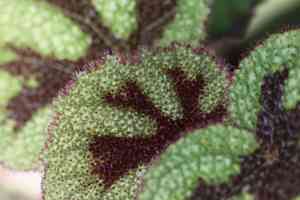
Pustules topped with red hairs on each puckered leaf surface.
5
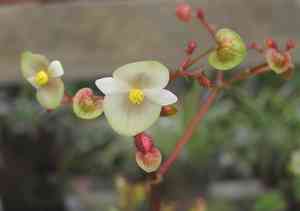
Delicate pale greenish-white flowers forming branched panicles above the leaves.

Scientific Classification of Iron Cross Begonia

Phylum
Vascular plants
Class
Dicotyledons
Order
Cucurbitales
Family
Begonia
Genus
Begonias
Species
Iron Cross Begonia

Planting and Growing of Iron Cross Begonia

Care Difficulty
Moderate
Watering Schedule
Every 8 days
Sunlight Requirements
Partial sun
Sunshine Duration
4-10 hours
Ideal Temperature
65-75℉
Soil Type
Potting Mix, Peat Mix
Soil pH
6.5-7.5
Fertilizer Type
Balanced
Pruning Season
Spring, Summer
Pruning Area
Branches, Leaves
Pruning Frequency
2 times a year
Repotting Season
Spring
Pot Type
Plastic, Ceramic

water icon How to Water Iron Cross Begonia?

When watering Begonia masoniana, aim to moisten the soil thoroughly without leaving it waterlogged. The potting soil should be drenched until water begins to drain through the bottom of the pot, which usually requires about 200 milliliters of water, depending on the pot size and plant condition.
What are the symptoms of an underwatered Iron Cross Begonia?
What should I do if my Iron Cross Begonia is not getting enough water?
What are the symptoms of an overwatered Iron Cross Begonia?
How to save an overwatered Iron Cross Begonia?

sunlight icon What Are the Sunlight Requirements for Iron Cross Begonia?

Sunlight Requirements: Partial sun, Full shade
Duration of light: 2 to 4 hours
Partial sun and full shade promote lush foliage and vigorous growth in Begonia masoniana by optimizing light absorption necessary for photosynthesis while avoiding the risks associated with direct sun.
What type of light does Begonia masoniana prefer?
How can you achieve ideal lighting for Begonia masoniana?
What are the benefits of ideal light for Begonia masoniana?
More About Sunlight Requirements Techniques

temperature icon What Is the Ideal Temperature Range for Iron Cross Begonia?

Ideal Temperature: 65 ~ 75℉
The ideal temperature range for Begonia masoniana is between 65°F and 75°F. Keeping the plant within this range ensures optimal growth and vibrant foliage. This temperature band mimics the warm and humid environment of its native habitat, promoting healthy development.

soil icon What Soil is Best for Iron Cross Begonia?

Soil type: Loam, Sandy loam
Soil PH: 6.5 ~ 7.5
Begonia masoniana thrives in well-drained soil to prevent root rot. Proper drainage ensures that excess water doesn't stagnate around the roots, thus promoting healthy root systems and vigorous growth. This plant benefits from soil rich in organic matter as it retains moisture while providing nutrients. Such soil mimics the plant’s natural habitat, enhancing its growth and foliage vibrancy. Ensuring the soil retains adequate moisture, without becoming waterlogged, is crucial. This balance allows Begonia masoniana to absorb necessary nutrients efficiently, supporting robust leaf development and bloom cycles.

fertilize icon How to Fertilize Iron Cross Begonia?

Fertilizer type: Balanced
For Begonia masoniana, use a balanced fertilizer diluted to half-strength to avoid overfeeding. Too much fertilizer can lead to salt build-up in the soil, potentially damaging the plant's roots. Apply liquid fertilizers at a rate of one cup per plant.

prune icon How to Prune Iron Cross Begonia?

Pruning Time: Spring, Summer, Autumn
Begin by inspecting the plant for any yellowing or dead leaves. Carefully cut these at the base near the stem to allow the plant to concentrate its energy on producing healthy foliage. To encourage a bushy growth habit, trim back the tips of the stems. This encourages the plant to produce side shoots, filling out its shape and creating a fuller, more attractive appearance. More About Pruning Techniques

propagate icon How to Propagate Iron Cross Begonia plant?

Propagate Time: Spring, Early summer
1
Choose a healthy stem from the parent plant that is not flowering and has several leaves. This ensures that the cutting has enough reserves to survive and establish roots during the propagation process.
2
Using a sharp knife or pruning shears, cut a 4-6 inch section of the stem just below a leaf node. This point is where new roots are most likely to form, increasing your chance of successful propagation.
3
Prep a container with a well-draining potting mix or perlite. Dip the cut end of the cutting into rooting hormone and insert it into the growing medium. Ensure at least one node is buried in the medium where roots can develop.
More About Propagating Techniques

repot icon How to Repot Iron Cross Begonia plant?

Repotting frequency: Every 1-2 years
1
For Begonia masoniana, it's crucial to identify the perfect moment for repotting. An indication that it’s time to upgrade its pot is when you observe roots growing out of the drainage holes or the plant looks top-heavy. Also, if the soil seems to dry out faster than usual, or the plant suffers from stunted growth, it’s likely crying out for more space.
2
Select a pot that's one size larger than the current one, with excellent drainage facilities. Clay pots are ideal due to their porous nature, allowing airflow and breathability to the roots, preventing the risk of overwatering and root rot. Ensure the pot complements the plant's aesthetic appeal and provides ample space for its roots to expand comfortably.
3
Opt for a well-draining, rich soil mix that mimics Begonia masoniana's natural habitat. A combination of peat, perlite, and compost ensures adequate moisture retention without the risk of waterlogging. This mix promotes robust root development and supplies essential nutrients for healthy growth.
More About Repotting Techniques

PlantJoy - Identify plants with a snap

Find the best spots for them to optimize their health, simply using your phone.

Try for Free

Toxicity of Iron Cross Begonia

Is Iron Cross Begonia toxic to cat?

The Iron Cross Begonia poses a moderate toxicity risk to cats. Consuming any portion of this plant can result in oral ulcers, increased salivation, and vomiting, due to the irritating oxalate crystals present in its sap, which can affect the skin and mucous membranes. Should a significant quantity of the plant be ingested, the symptoms may intensify and spread throughout the body, making it advisable to contact a veterinarian.

Is Iron Cross Begonia toxic to dog?

The Iron Cross Begonia is classified as mildly toxic to dogs. Although severe reactions can occur, they are uncommon. Every part of this plant contains soluble oxalates, which can rapidly induce pain, frequently accompanied by swelling or redness in the mouth and throat area. These symptoms typically result in a reduced appetite and challenges with swallowing. Additionally, vomiting and diarrhea may also manifest. Fortunately, the highest concentrations of soluble oxalates in Iron Cross Begonias are located in the roots, the part that dogs are least likely to consume.

Identify toxic plants for your safety

Learn which plants are harmful to you and your pets, and make informed choices for a safer home!

Try for Free
WARNING
The judgment on toxicity and danger is for reference only. We DO NOT GUARANTEE any accuracy of such judgment. Therefore, you SHALL NOT rely on such judgment. It is IMPORTANT TO SEEK PROFESSIONAL ADVICE in advance when necessary.
More About Toxic Techniques