Common daisy(Bellis perennis)

Common daisy (Bellis perennis)

Also known as: English daisy, Meadow daisy, Bruisewort

The common daisy is known for its distinctive flowers and has been a staple in European and American folklore for centuries, symbolizing childlike innocence. While edible in small amounts and often added to salads, sandwiches, soups, or tea, consuming daisies in large quantities can lead to digestive issues due to their potential toxicity.

Attributes of Common daisy

Lifespan
Perennial, Annual, Biennial
Plant Type
Herb
Plant Height
3 cm to 15 cm
Spread
9 cm to 16 cm
Leaf Color
Green
Flower Size
2 cm to 3.5 cm
Flower Color
White Pink Red Yellow

PlantJoy - Identify plants with a snap

Identify and diagnose plants, get toxicity alerts, and explore safety guides for all types of fungi.

Try for Free

Images of Common daisy

Common daisy(Bellis perennis)

Quickly Identify Common daisy

1
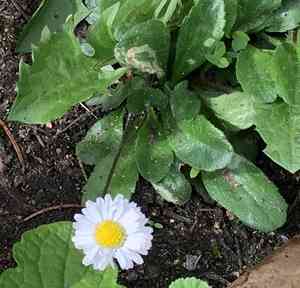
Spoon-shaped leaves in a basal rosette, 2-3 inches (5-7.6 cm) long, with teeth on edges.
2
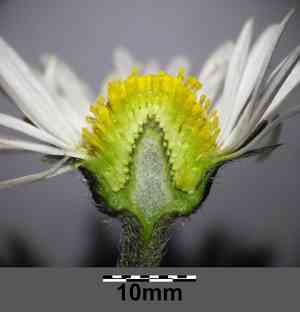
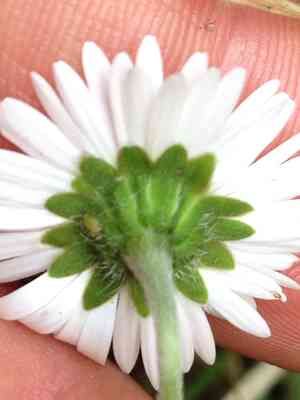
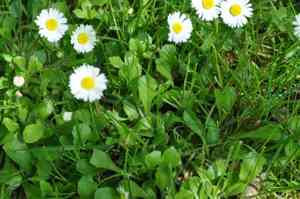
Daisy-like flowers with white ray florets around a yellow disk, 0.5-1 inch (1.3-2.5 cm) wide.
3
Slender, unbranched stem, 3-6 inches (7.6-15.2 cm) tall, slightly hairy, supporting single flower heads.
4
Small, dry achene fruit, ovate to oblong, 1/10 to 1/5 inch (2-5 mm), easily wind-dispersed.
5
Distinctive flower colors; white, pink, or red ray florets with a vibrant yellow center.

Scientific Classification of Common daisy

Phylum
Vascular plants
Class
Dicotyledons
Order
Asters bellflowers fanflowers and allies
Family
Daisy
Genus
Bellis
Species
Common daisy

Planting and Growing of Common daisy

Care Difficulty
Easy
Watering Schedule
Every 4 days
Sunlight Requirements
Full sun
Sunshine Duration
6-8 hours
Ideal Temperature
60-70℉
Soil Type
Potting Mix, Peat Mix
Soil pH
6.5-7.5
Fertilizer Type
Balanced
Pruning Season
Spring, Summer
Pruning Area
Branches, Leaves
Pruning Frequency
2 times a year
Repotting Season
Spring
Pot Type
Plastic, Ceramic

water icon How to Water Common daisy?

For Bellis perennis, also known as the common daisy, the watering amount should be about 500 ml each time to thoroughly moisten the soil without waterlogging the roots. The soil should be damp to the touch but not soggy or dry.
What are the symptoms of an underwatered Common daisy?
What should I do if my Common daisy is not getting enough water?
What are the symptoms of an overwatered Common daisy?
How to save an overwatered Common daisy?

sunlight icon What Are the Sunlight Requirements for Common daisy?

Sunlight Requirements: Full sun, Partial sun
Duration of light: 4-6 hours
Bellis perennis thrives best under full to partial sun conditions, promoting robust growth and prolific flowering. Adequate sunlight maximizes photosynthetic efficiency, supporting a healthy, sturdy, and aesthetically pleasing plant.
How much sunlight is best?
What if my plant doesn't get enough light?
Why is sunlight vital for Bellis perennis?

temperature icon What Is the Ideal Temperature Range for Common daisy?

Ideal Temperature: 60 ~ 70℉
The ideal temperature range for growing Bellis perennis is between 60°F and 70°F. Within this range, the plant can optimally perform its physiological functions such as photosynthesis and nutrient uptake. These temperatures mimic the moderate climates where daisies naturally thrive, ensuring healthy development and flowering.

soil icon What Soil is Best for Common daisy?

Soil type: Loam, Sandy loam, Calcareous soil
Soil PH: 6.5 ~ 7.5
Bellis perennis thrives in well-drained soil that prevents water logging. This is crucial as it helps the roots breathe and avoid rot, ensuring the plant remains healthy and vibrant. The plant prefers moderately fertile soil, which ensures it gets necessary nutrients without the risk of excessive fertilizer burn. This balance aids in promoting steady growth and flowering. While Bellis perennis appreciates moisture, the soil should not be too wet. A consistent level of moisture helps maintain healthy foliage and supports the flowering process.

fertilize icon How to Fertilize Common daisy?

Fertilizer type: Balanced
Bellis perennis, commonly known as the common daisy, benefits from minimal fertilization due to its resilience and preference for less nutrient-rich soil. Use half the recommended amount on the fertilizer package to avoid overfeeding, ensuring the plants are healthy without promoting excessive leaf growth.

prune icon How to Prune Common daisy?

Pruning Time: Spring, Summer, Autumn, Winter
Start by removing any dead or diseased foliage. Use sharp, sterilized shears to cut back any old blooms to the base of the stem, encouraging new growth. Trim back excessively long stems to maintain desired shape, ensuring healthy leaf nodes are left intact to stimulate new shoots. Regularly deadhead spent flowers to promote continuous blooming throughout the seasons.

propagate icon How to Propagate Common daisy plant?

Propagate Time: Early spring, Late spring, Autumn
1
Fill a seed tray with a quality seed-starting mix. Scatter Bellis perennis seeds evenly across the surface and lightly cover them with a thin layer of soil. Water gently to avoid displacing the seeds and place in a warm, sunny location.
2
In early spring or autumn, dig up a mature Bellis perennis plant. Carefully separate the clumps into smaller sections, ensuring each section has roots and shoots. Replant these divisions into prepared garden beds, ensuring they are watered well after transplanting.
3
Keep the seed tray moist but not waterlogged. Once seedlings emerge, ensure they receive plenty of light to prevent legginess. Thin out weaker seedlings to give the remaining plants sufficient space to grow.

repot icon How to Repot Common daisy plant?

Repotting frequency: Every 1-2 years
1
Repot Bellis perennis when you notice the roots have started to grow out of the drainage holes or the plant appears cramped in its current pot. Other signs might include a decline in overall plant health or slower growth compared to its usual robust state. It's best to repot during its active growth period to ensure it recovers quickly.
2
Select a pot that is only slightly larger than the current one to prevent overwatering and root rot. A pot with ample drainage holes is crucial as it ensures excess water doesn't accumulate at the bottom, allowing roots to thrive without the risk of rot. Choosing a pot made of breathable materials such as terracotta can also help regulate moisture levels.
3
Opt for a well-draining potting mix, ideally one enriched with organic matter. This type of soil provides essential nutrients for your Bellis perennis and ensures proper drainage. A mix with a slightly acidic to neutral pH is ideal, as it closely mimics the plant's natural habitat, promoting healthy growth and vibrant blooms.

PlantJoy - Identify plants with a snap

Find the best spots for them to optimize their health, simply using your phone.

Try for Free

Toxicity of Common daisy

Is Common daisy toxic to cat?

The common daisy poses a toxic threat to cats. Should a cat consume any part of this plant, including the flowers, fruits, leaves, roots, seeds, stems, or sap/juice, it is susceptible to poisoning. Accidental ingestion is the most frequent route through which cats encounter common daisy toxins. After exposure, they may display general signs of physical discomfort, such as lethargy or digestive distress. Regrettably, specific symptoms can vary and may not appear right away. Cat owners need to remain alert and seek immediate veterinary assistance if they suspect their cat has ingested any portion of the common daisy, as timely intervention is essential for a favorable outcome.

Is Common daisy toxic to dog?

The common daisy is regarded as a toxic plant for dogs. If dogs ingest any part of the common daisy—such as its flowers, fruits, leaves, roots, seeds, stems, or sap—they can suffer poisoning. This ingestion may happen inadvertently during outdoor play or while foraging. After consuming common daisy, dogs can show various symptoms, including gastrointestinal distress, vomiting, diarrhea, excessive salivation, or more severe reactions depending on the quantity ingested. It is essential for dog owners to closely supervise their pets and restrict their access to common daisy. In cases where a dog is suspected of having ingested this toxic plant, seeking immediate veterinary assistance is vital to ensure timely and effective treatment.

Identify toxic plants for your safety

Learn which plants are harmful to you and your pets, and make informed choices for a safer home!

Try for Free
WARNING
The judgment on toxicity and danger is for reference only. We DO NOT GUARANTEE any accuracy of such judgment. Therefore, you SHALL NOT rely on such judgment. It is IMPORTANT TO SEEK PROFESSIONAL ADVICE in advance when necessary.