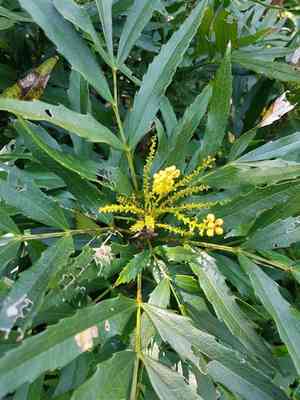
Chinese mahonia (Berberis fortunei)
Also known as: Holly grape
Chinese mahonia is a drought-tolerant evergreen shrub that grows well in shady areas. With its holly-like leaves and mismatched tufts of yellow flowers, this plant can add interest to a garden or be grown indoors as a houseplant.
Attributes of Chinese mahonia
Images of Chinese mahonia
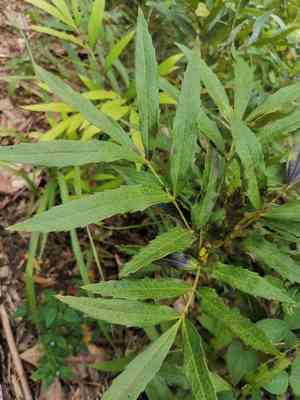
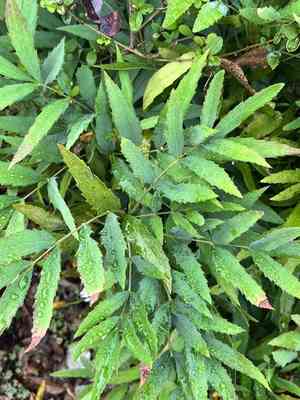
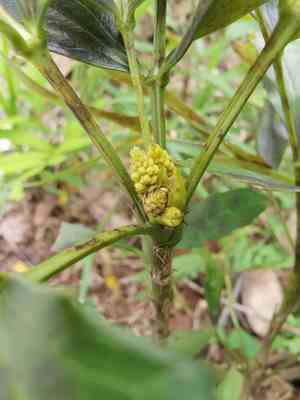
Quickly Identify Chinese mahonia
Scientific Classification of Chinese mahonia
Toxicity of Chinese mahonia
Is Chinese mahonia toxic to humans?
All components of the Chinese mahonia exhibit a certain level of toxicity to humans if ingested, primarily due to the alkaloid known as berberine. Among its parts, the roots, stems, and inner bark possess the highest concentrations of this toxic compound, whereas the berries contain the lowest amounts. Ingesting this alkaloid may lead to mild to moderate symptoms of illness. Signs of Chinese mahonia poisoning can include vomiting, decreased blood pressure, slower heart rate, and fatigue. In exceptional cases, high levels of berberine may lead to changes in liver function, digestive issues, and potential harm to immune cells, although such instances are uncommon.
Is Chinese mahonia toxic to cat?
Chinese mahonia is recognized as poisonous to cats, posing a risk of toxicity if ingested inadvertently. The harmful effects predominantly stem from the plant's berries. If a cat consumes these fruits, it could exhibit a range of discomforting symptoms. Therefore, it is crucial for cat owners to keep their pets away from chinese mahonia and to be alert for any signs of illness that might arise post-ingestion. Should there be any suspicion of chinese mahonia poisoning, prompt veterinary attention is essential to safeguard the cat's well-being.
Is Chinese mahonia toxic to dog?
The Chinese mahonia plant is recognized as toxic to dogs. If ingested accidentally, particularly its fruits, dogs can become poisoned. Symptoms of poisoning may include vomiting, diarrhea, lethargy, and potentially more serious signs depending on the quantity consumed. It is essential for dog owners to keep a close watch on their pets and restrict their access to this plant. Should there be any suspicion that a dog has eaten any part of the Chinese mahonia, it is vital to seek immediate veterinary care to effectively address the poisoning.

