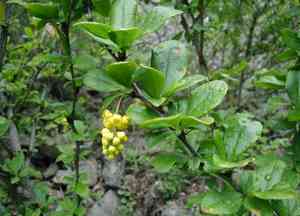
Common barberry (Berberis vulgaris)
Also known as: Berbery, Pepperidge bush, Barberry
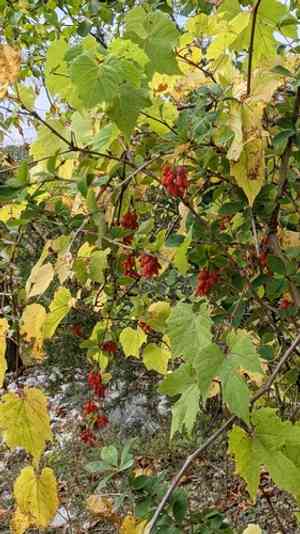
The common barberry (Berberis vulgaris) is a shrub known for its distinctive, unpleasant-smelling flowers and red berries. Historically, the flowers have been utilized to produce yellow dye. The berries hold culinary and medicinal significance, especially in Iran, where they are used in various dishes, and in traditional Chinese medicine, a practice that dates back over 3,000 years.
Despite these uses, common barberry poses a significant threat to grain crops in America. This plant can harbor the wheat stem rust fungus (Puccinia graminis), a pathogen that can cause devastating damage to wheat and other cereal crops. By serving as an alternate host, the barberry facilitates the life cycle and spread of this harmful fungus, jeopardizing agricultural productivity.
Attributes of Common barberry
Images of Common barberry



Quickly Identify Common barberry
Scientific Classification of Common barberry
Planting and Growing of Common barberry
 How to Water Common barberry?
 What Are the Sunlight Requirements for Common barberry?
 What Is the Ideal Temperature Range for Common barberry?
 What Soil is Best for Common barberry?
 How to Fertilize Common barberry?
 How to Prune Common barberry?
 How to Propagate Common barberry plant?
 How to Repot Common barberry plant?
Toxicity of Common barberry
Is Common barberry toxic to humans?
Common barberry is recognized as a toxic plant, exhibiting side effects that can range from moderate to severe, depending on the individual and the quantity ingested. The ingestion of any parts of common barberry, except for the fruit and seeds, has been shown to lead to symptoms such as vomiting, nausea, diarrhea, nosebleeds, stomach ulcers, and dysfunction in the immune, nervous, and cardiac systems. Additionally, it can cause heightened sensitivity to light, irritation of the kidneys, and jaundice. Pregnant individuals are strongly advised to refrain from consuming common barberry due to the potential risk of miscarriage. Furthermore, handling the stems of common barberry can result in injury because of their sharp spines. Symptoms ensuing from direct contact may include heartburn, red, itchy or inflamed skin, blistering, and rash.
Is Common barberry toxic to cat?
The common barberry is poisonous to cats and can pose a significant risk if accidentally ingested. Cats are most likely to be poisoned through the plant's bark, which harbors dangerous compounds. After consumption, cats may show signs of physical distress or illness. It is essential for cat owners to remain alert and prevent their pets from accessing common barberry. If a cat ingests any part of this plant, it is vital to seek prompt veterinary assistance to safeguard their health and well-being.
Is Common barberry toxic to dog?
Common barberry is recognized as a toxic plant for dogs. If canines consume this plant, especially its bark, which is notably the toxic segment, they can experience poisoning. Symptoms may include gastrointestinal disturbances, vomiting, diarrhea, or more serious reactions depending on the quantity ingested. Given the possible dangers linked to common barberry, dog owners are advised to keep a close watch on their pets and restrict their access to this plant. Should a dog ingest common barberry, it is crucial to seek prompt veterinary assistance to guarantee proper treatment and symptom management.



