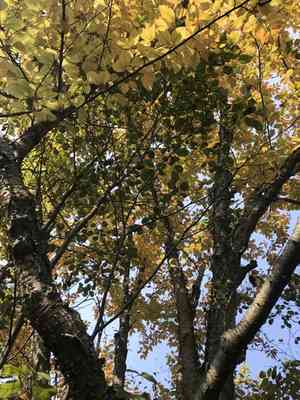
Yellow Birch (Betula alleghaniensis)
Also known as: Silver Birch, Tall Birch
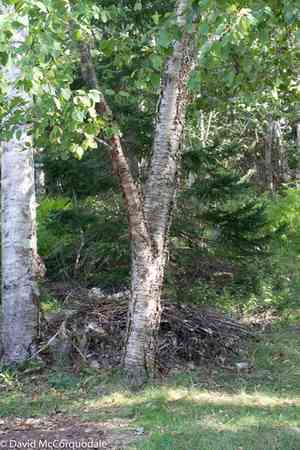
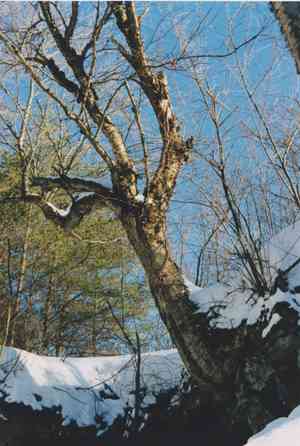
The Yellow Birch (Betula alleghaniensis) stands as the largest birch species in North America and is known for its impressive lifespan, often exceeding 100 years. Its distinctive bark varies in color from yellow to yellow-gray or bronze and naturally peels away in thin, curly strips. As the tree matures, these curls become more prominent and may appear shredded.
In This Article
Attributes of Yellow Birch
Lifespan
Perennial
Plant Type
Tree
Plant Height
21 m to 24 m
Spread
18 m to 24 m
Leaf Color
Green Yellow
Flower Size
2.5 cm
Flower Color
Yellow Brown Green
Images of Yellow Birch
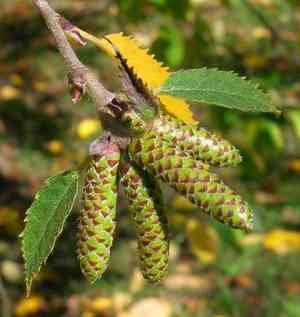
Quickly Identify Yellow Birch
1
Distinctive hairy cone fruit, 1 1/2 inches tall, with 2-winged nutlets inside.
2
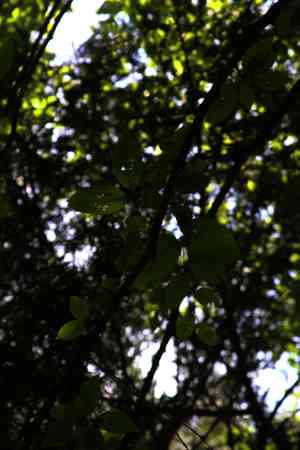
Alternate, doubly toothed leaves with dull dark green upper surface and lighter underside.
3
Shiny, glossy stems emitting wintergreen scent when crushed, ranging from 0.4 to 1 inch in diameter.
4
Bark transitions from shiny bronze on young trees to silvery-gold on mature trees, peeling in horizontal curls.
5
Robust deciduous tree with single trunk up to 3 feet 6 inches in diameter, reaching height of 70 to 80 feet.
Scientific Classification of Yellow Birch
Phylum
Vascular plants
Class
Dicotyledons
Order
Fagales
Family
Birch
Genus
Betula
Species
Yellow Birch
Planting and Growing of Yellow Birch
Care Difficulty
Hard
Watering Schedule
Every 6 days
Sunlight Requirements
Full sun
Sunshine Duration
4-8 hours
Ideal Temperature
60-75℉
Soil Type
Potting Mix, Peat Mix
Soil pH
6.5-7.5
Fertilizer Type
Balanced
Pruning Season
Spring, Summer
Pruning Area
Branches, Leaves
Pruning Frequency
2 times a year
Repotting Season
Spring
Pot Type
Plastic, Ceramic
 How to Water Yellow Birch?
For Betula alleghaniensis, each watering session should provide approximately 1000 milliliters of water. This amount ensures that moisture reaches the roots deeply. Avoid watering until the soil feels soggy; instead, aim for a thorough moistening that penetrates at least a few inches into the soil.
What are the symptoms of an underwatered Yellow Birch?
›
What should I do if my Yellow Birch is not getting enough water?
›
What are the symptoms of an overwatered Yellow Birch?
›
How to save an overwatered Yellow Birch?
›
 What Are the Sunlight Requirements for Yellow Birch?
Betula alleghaniensis thrives in full to partial sun, ideally receiving dappled sunlight. Proper light exposure supports vigorous growth, vibrant foliage, and robust resilience against pests and diseases.
More About Sunlight Requirements Techniques→
Optimal Sunlight Exposure
›
Sunlight Filter
›
Shade Coverage
›
 What Is the Ideal Temperature Range for Yellow Birch?
The ideal temperature range for Betula alleghaniensis, also known as Yellow Birch, is between 60°F and 75°F. These moderate temperatures support active growth by maintaining the tree's metabolic processes efficiently. During these conditions, the tree can effectively photosynthesize, uptake nutrients, and develop strong wood and leaf structures. Moreover, this range minimizes stress from either heat or cold, thereby promoting sustained health and longevity of the plant.
 What Soil is Best for Yellow Birch?
Betula alleghaniensis thrives in nutrient-rich soil, which provides essential minerals and nutrients necessary for optimal growth, robust health, and resilience against diseases. Though it favors moist conditions, Betula alleghaniensis requires soil that is well-drained to prevent waterlogging, which can lead to root rot, ensuring the plant's vitality and longevity. This species prospers in constantly moist soil, which mimics its natural habitat, providing an environment that supports vigorous root development and sustained growth.
 How to Fertilize Yellow Birch?
For Betula alleghaniensis, a gentle touch is necessary with fertilization. Use a balanced liquid fertilizer diluted to half strength. The root system prefers light doses rather than heavy feedings, given its relatively moderate nutrient needs compared to other ornamental trees.
 How to Prune Yellow Birch?
Carefully inspect the tree for any dead or diseased branches. Remove these by making clean cuts at the branch collar, avoiding leaving stubs that can invite disease or pest infestation. To encourage better light penetration and airflow within the canopy, selectively thin overlapping and crowded branches. Focus on removing branches that appear to crisscross or impede the natural growth pattern of the tree. When shaping the canopy, aim for a balanced form by trimming branches that over-extend or look uneven. This will help maintain a pleasing aesthetic and distribute the tree’s resources evenly without overstressing any part.
More About Pruning Techniques→
 How to Propagate Yellow Birch plant?
1
Gather seeds from mature Betula alleghaniensis trees in late autumn. Ensure seeds are dry and stored in a cool, dry place to maintain viability before planting in early spring.
2
During late spring, select healthy, disease-free branches; cut them to about 10-15 cm in length. Trim leaves from the bottom half to prevent rot and promote rooting.
3
Opt for whip or cleft grafting in early summer. Ensure the scion and rootstock are compatible sizes. Secure with grafting tape to maintain contact and stability as they heal.
 How to Repot Yellow Birch plant?
1
Betula alleghaniensis, also known as Yellow Birch, requires repotting when its roots start to encircle the pot or emerge from the drainage holes. This is a signal that the plant needs more room to grow. Typically, repotting should be done every 2-3 years, ideally in spring or autumn when the plant's natural growth spurt can aid recovery.
2
Select a new pot that is only one size larger than the current one. Using a pot that is too large can lead to excessive water retention, which is detrimental to the Yellow Birch's roots. Ensure the pot has sufficient drainage holes to facilitate proper water movement and prevent root rot.
3
An ideal soil mix for Betula alleghaniensis is moist but well-draining, such as a blend of peat, compost, and sand. This type of soil retains essential moisture while providing the necessary aeration and drainage that prevents waterlogging, mimicking the birch's natural habitat conditions.



