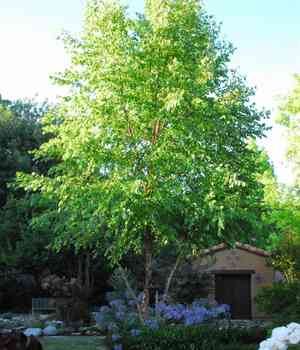
River birch (Betula nigra)
Also known as: Swamp birch
The Bald Cypress is a tree well-suited to wet environments such as floodplains, bottomlands, and areas along creeks and streams. Native to the Eastern United States, this species can grow rapidly, reaching heights of 30 to 35 meters.
In This Article
Attributes of River birch
Lifespan
Perennial
Plant Type
Tree
Plant Height
25 m to 30 m
Spread
12 m to 18 m
Leaf Color
Green Yellow
Flower Size
2.5 mm to 5 mm
Flower Color
Yellow Brown Green
Images of River birch
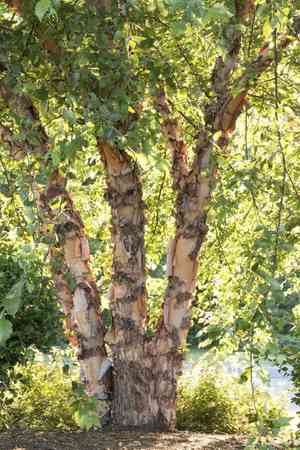
Quickly Identify River birch
1
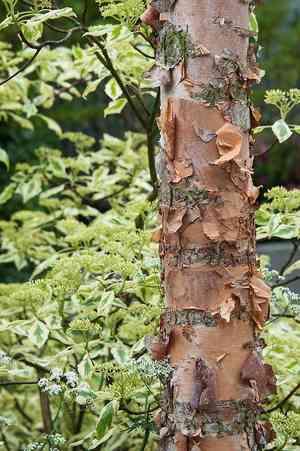
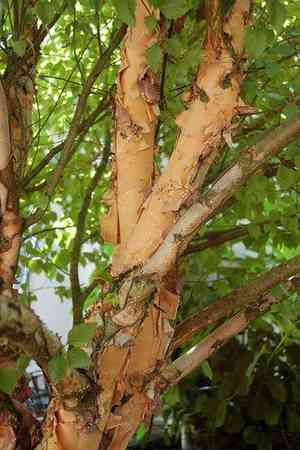
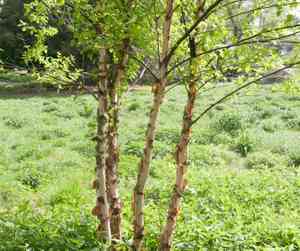
Unique cinnamon-brown peeling bark as tree matures.
2
Diamond-shaped leaves transition to vibrant yellow in fall.
3
Slim, cylindrical light green catkin flowers in spring.
4
Cone-like fruit with lightweight nutlet seeds.
5
Trunk evolves from smooth to papery scales with age.
Scientific Classification of River birch
Phylum
Vascular plants
Class
Dicotyledons
Order
Fagales
Family
Birch
Genus
Betula
Species
River birch
Planting and Growing of River birch
Care Difficulty
Easy
Watering Schedule
Every 8 days
Sunlight Requirements
Full sun
Sunshine Duration
6-10 hours
Ideal Temperature
60-75℉
Soil Type
Potting Mix, Peat Mix
Soil pH
5-6.5
Fertilizer Type
Balanced
Pruning Season
Spring, Summer
Pruning Area
Branches, Leaves
Pruning Frequency
2 times a year
Repotting Season
Spring
Pot Type
Plastic, Ceramic
 How to Water River birch?
For Betula nigra, also known as river birch, it is vital to ensure the soil is consistently moist but not waterlogged. The recommended watering amount is about 1500 ml per session, ensuring that the water reaches several inches into the soil to support the deep roots. Water deeply but allow the topsoil to dry slightly between watering to encourage root growth.
More About Watering Techniques→
What are the symptoms of an underwatered River birch?
›
What should I do if my River birch is not getting enough water?
›
What are the symptoms of an overwatered River birch?
›
How to save an overwatered River birch?
›
 What Are the Sunlight Requirements for River birch?
Betula nigra prefers full sun to partial sun, ideally experiencing 6 to 8 hours of sunlight per day. Proper light encourages strong structural growth and healthier leaf development.
More About Sunlight Requirements Techniques→
How much sunlight does Betula nigra need?
›
What are practical methods to achieve ideal lighting?
›
What are the benefits of ideal lighting for Betula nigra?
›
 What Is the Ideal Temperature Range for River birch?
Betula nigra, commonly known as river birch, thrives best in moderate climates. The ideal temperature range for this plant is between 60 and 75 degrees Fahrenheit. These temperatures facilitate optimal photosynthesis and growth rates, ensuring the plant's healthy development.
 What Soil is Best for River birch?
Betula nigra thrives in soil that can retain moisture without becoming waterlogged. This provides the necessary hydration to support its fast growth and lush foliage. Well-draining soil is crucial for Betula nigra, as it prevents root rot and ensures that the roots have access to oxygen. This balance aids in maintaining plant health. The tree benefits from a nutrient-rich environment, which can be ensured by using loamy soil. This supports the tree's vigorous growth and resistance to diseases.
More About Soil→
 How to Fertilize River birch?
Betula nigra requires a balanced approach to fertilization, with careful measurement to avoid over-application. Typically, it needs 1 to 2 pounds of a complete, balanced fertilizer (such as 10-10-10) per inch of trunk diameter annually. Split this dosage between spring and late summer for optimal results.
More About Fertilizing Techniques→
 How to Prune River birch?
Begin with structural pruning to establish a strong framework. This involves removing any crossing or rubbing branches, which can cause damage as they grow. Focus on fostering a balanced branch distribution, ensuring the tree's crown is evenly developed. Removing dead and diseased wood is crucial to maintaining tree health. Focus on cutting these branches back to the trunk or main limb, making clean cuts to avoid tearing the bark, which invites pests and pathogens. Selective thinning is performed to open up the tree's canopy. This technique improves air circulation and sunlight penetration, supporting a healthier birch. Simply remove some of the smaller branches back to their origin point.
More About Pruning Techniques→
 How to Propagate River birch plant?
1
Collect seeds from mature Betula nigra trees in late summer. Clean the seeds, remove any debris, and store them in a cool, dry place until you're ready to plant them in early spring.
2
During early spring, select healthy, non-flowering shoots from a mature tree. Use pruning shears to cut sections approximately 15 cm long. Remove leaves from the lower half.
3
Dip the cut end of each cutting into rooting hormone. Plant them in pots filled with a mix of peat and perlite. Keep the cuttings warm and moist to encourage rooting.
 How to Repot River birch plant?
1
Watch for roots emerging from the drainage holes, or if the growth becomes stunted. These are strong indicators that your Betula nigra is ready for a new home, ideally at the start of spring.
2
Choose a pot that is 2 inches larger in diameter than the current one, ensuring it has adequate drainage. This prevents waterlogging and provides space for root expansion, aiding the tree's development.
3
A loamy, well-draining soil is crucial to support Betula nigra’s preference for moisture without water retention. This type of soil optimally balances nutrients and aeration to promote healthy growth.



