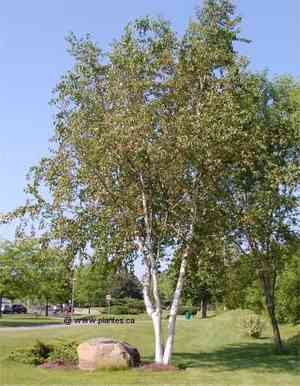
Paper birch (Betula papyrifera)
Also known as: Canoe birch
The paper birch (*Betula papyrifera*), also called American white birch or canoe birch, is recognized for its distinctive, peeling white bark. While relatively short-lived, its wood is commonly utilized in the production of items such as toothpicks, ice cream sticks, wooden bobbins, clothespins, and canoes.
In This Article
Attributes of Paper birch
Lifespan
Perennial
Plant Type
Tree
Plant Height
20 m to 40 m
Spread
7 m to 15 m
Leaf Color
Green Yellow
Flower Size
6 mm to 1.2 cm
Flower Color
Yellow Green Brown
Images of Paper birch
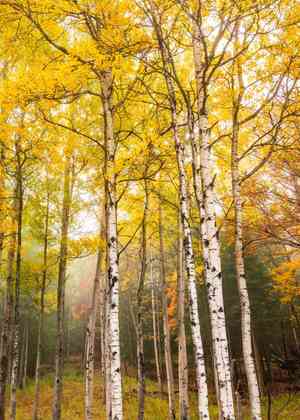
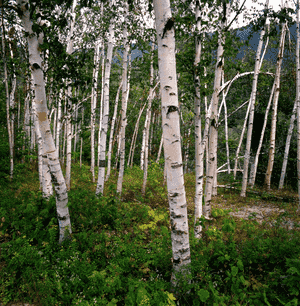
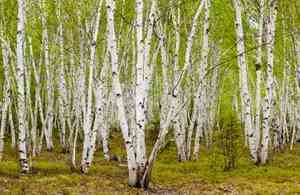
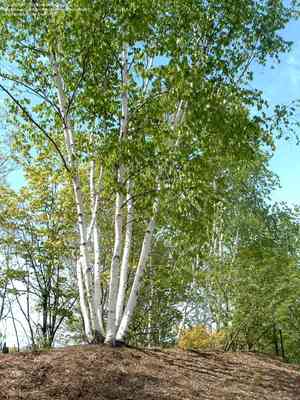
Quickly Identify Paper birch
1
Distinctive white bark peels in thin layers to reveal orange-brown inner bark with black markings.
2
Monoecious flowers; male catkins up to 4 inches, female catkins 1 1/4 inches long.
3
Fruit is a drooping cone with small, winged seeds in pale brown to green shades.
4
Leaves 2-4 inches long, dark green with prominent veins, turning yellow in fall.
5
Trunk bark exfoliates to reveal white exterior with black markings and smooth texture.
Scientific Classification of Paper birch
Phylum
Vascular plants
Class
Dicotyledons
Order
Fagales
Family
Birch
Genus
Betula
Species
Paper birch
Planting and Growing of Paper birch
Care Difficulty
Moderate
Watering Schedule
Every 4 days
Sunlight Requirements
Full sun
Sunshine Duration
6-8 hours
Ideal Temperature
60-70℉
Soil Type
Potting Mix, Peat Mix
Soil pH
5-7.5
Fertilizer Type
Balanced
Pruning Season
Spring, Summer
Pruning Area
Branches, Leaves
Pruning Frequency
2 times a year
Repotting Season
Spring
Pot Type
Plastic, Ceramic
 How to Water Paper birch?
For Betula papyrifera, ensure the soil stays consistently moist but not waterlogged. Each watering session should provide around 500ml of water. This amount allows the water to penetrate deeply to the roots while avoiding water saturation. The general rule is to water until you see a little drainage from the bottom of the pot, signaling that the soil has been evenly moistened.
More About Watering Techniques→
What are the symptoms of an underwatered Paper birch?
›
What should I do if my Paper birch is not getting enough water?
›
What are the symptoms of an overwatered Paper birch?
›
How to save an overwatered Paper birch?
›
 What Are the Sunlight Requirements for Paper birch?
Betula papyrifera thrives best under full to partial sun, ensuring it gets between six to twelve hours of sunlight daily. Adequate light promotes strong growth and vibrant foliage.
More About Sunlight Requirements Techniques→
What is the best location for Betula papyrifera?
›
How to adjust lighting during different seasons?
›
Can Betula papyrifera thrive in partial shade?
›
 What Is the Ideal Temperature Range for Paper birch?
The ideal temperature range for Betula papyrifera, commonly known as paper birch, is between 60°F and 70°F. These conditions mimic its natural environment and contribute to its overall health and growth efficiency.
 What Soil is Best for Paper birch?
Betula papyrifera thrives in well-drained soil to prevent root rot. Ensuring proper drainage allows the tree to uptake nutrients efficiently and reduces the risk of soil-borne diseases. While drainage is crucial, maintaining consistent soil moisture is equally important for Betula papyrifera. This helps in sustaining the tree's rapid growth and supports its lush, green foliage. This tree prefers soil rich in organic matter, which provides essential nutrients, boosting growth and enhancing resistance to pests and diseases.
More About Soil→
 How to Fertilize Paper birch?
For Betula papyrifera, the amount of fertilizer should be carefully considered. Use a balanced fertilizer with an N-P-K ratio close to 10-10-10. When applying liquid fertilizer, dilute it to half strength to prevent root burn. In contrast, for slow-release granular fertilizers, apply approximately 1 pound per inch of trunk diameter spread evenly around the drip line.
More About Fertilizing Techniques→
 How to Prune Paper birch?
Start by identifying dead, diseased, or damaged branches that need removal. Look for branches that cross or rub against each other, which can cause wounds that invite disease. Make cuts at a slight angle, just above a bud or side branch. Avoid leaving stubs, as these can harbor pests or disease. If removing large branches, use a three-cut method to prevent bark tearing.
More About Pruning Techniques→
 How to Propagate Paper birch plant?
1
To propagate Betula papyrifera from seeds, collect the seeds in the autumn when they are mature. Ensure the seeds are from healthy trees. Clean the seeds and store them in a cool, dry place until spring.
2
For cutting propagation, take softwood cuttings in early spring. Cut a branch segment about 4 to 6 inches long with several nodes. Remove the lower leaves and dip the cut end in rooting hormone to enhance root development.
3
Plant the seeds or cuttings in pots filled with well-drained soil. Water them lightly but consistently to keep the medium moist. Place them in a bright, warm area but away from direct sunlight. Monitor for signs of root growth.
 How to Repot Paper birch plant?
1
Pay attention to signs such as roots growing out of the drainage holes or soil that dries out quickly after watering. These indicate that your Betula papyrifera is in need of repotting. Spring and summer are ideal because the plant is actively growing and can recover more quickly from the stress of being repotted.
2
Select a pot that is one size bigger than the current one and ensures proper drainage. A pot that is too large can retain excess moisture and lead to root rot. A slightly larger pot encourages healthy root development and prevents the soil from becoming waterlogged, which is crucial for the health of Betula papyrifera.
3
Use a well-draining loamy mix to provide the right balance of moisture retention and aeration. This type of soil prevents waterlogging and allows the roots to breathe, promoting healthy growth. It is essential for accommodating the plant's natural preference for moist but not soggy conditions.



