
Common borage (Borago officinalis)
Also known as: Cover Crop, Borage, Beebread, Tailwort
Common borage (Borago officinalis) offers a variety of culinary applications:
1. **Leaves**: The young leaves, known for their cucumber-like taste, can be added to salads, soups, and stews.
2. **Flowers**: The vibrant blue, star-shaped flowers serve as edible garnishes for both food and beverages, and are sometimes used in specialty gins.
3. **Herbal Tea**: Borage leaves can be brewed into a refreshing herbal tea.
4. **Commercial Use**: The plant is also grown for its seeds, which are pressed to produce borage seed oil.
Consume borage sparingly due to the presence of pyrrolizidine alkaloids.
Attributes of Common borage
Images of Common borage


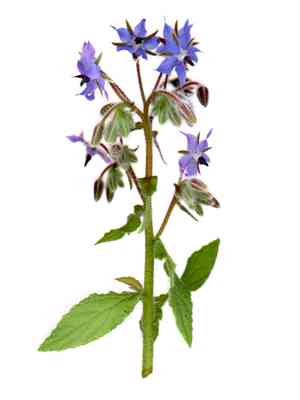
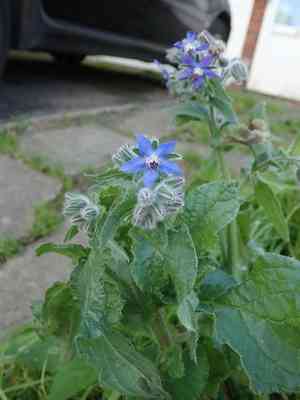
Quickly Identify Common borage
Scientific Classification of Common borage
Planting and Growing of Common borage
 How to Water Common borage?
 What Are the Sunlight Requirements for Common borage?
 What Is the Ideal Temperature Range for Common borage?
 What Soil is Best for Common borage?
 How to Fertilize Common borage?
 How to Prune Common borage?
 How to Propagate Common borage plant?
 How to Repot Common borage plant?
Toxicity of Common borage
Is Common borage toxic to cat?
Common borage (Borago officinalis) poses a significant threat to cats and must be strictly kept out of their reach! This plant contains a mixture of harmful toxins within its stems, leaves, seeds, and roots, which can result in both kidney and liver failure. Symptoms of poisoning may manifest as diarrhea, vomiting, fever, itchiness, and a noticeable decrease in appetite. If there is any suspicion that a cat has ingested any portion of the common borage plant, immediate emergency treatment is necessary.
Is Common borage toxic to dog?
These plants pose a moderate to severe toxicity risk to dogs, with the intensity of reactions varying based on the quantity ingested. Common borage contains a range of toxic tannins, present in every part of the plant. These tannins can lead to significant dermatological and gastrointestinal problems and, in extreme cases, may result in lasting harm to the intestines and/or kidneys. Frequently observed symptoms following ingestion include vomiting, bloody diarrhea, inflamed or burnt gums or tongue, difficulty breathing, and tremors. If a dog consumes an excessive amount without receiving treatment, common borage poisoning could potentially be fatal.



