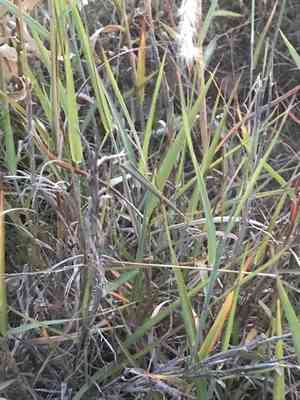
Cane bluestem (Bothriochloa barbinodis)
Also known as: Cane beard grass, Sweet dichanthium
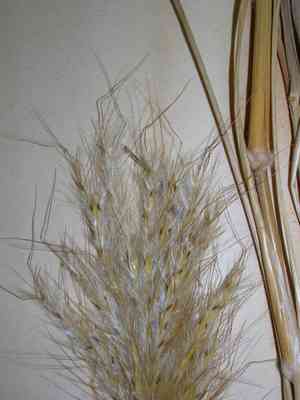
Cane bluestem is a perennial bunchgrass found throughout much of the Americas. It features straw-covered stems and nodes with fine hairs. This bunchgrass provides excellent forage and groundcover but is one of the first plants to vanish when overgrazing occurs.
In This Article
Attributes of Cane bluestem
Lifespan
Perennial
Plant Type
Grass
Plant Height
61 cm to 1.2 m
Spread
60 cm to 90 cm
Leaf Color
Blue-green
Flower Size
5 cm to 10 cm
Flower Color
White Green Cream Purple Brown
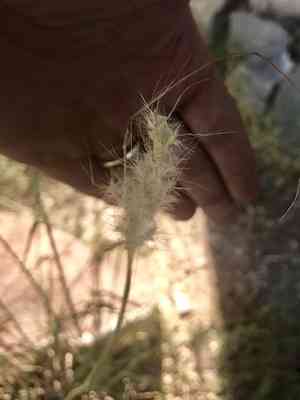
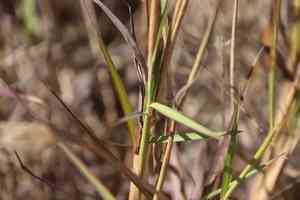
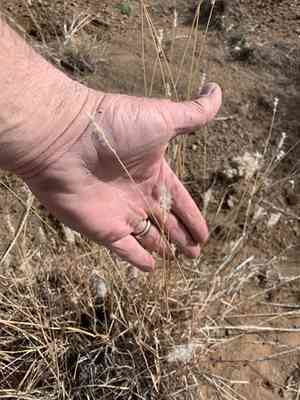
Images of Cane bluestem
Quickly Identify Cane bluestem
1
Deciduous clumping habits reaching 4 feet (1.22 meters) tall and wide.
2
Silvery-white, fluffy flower heads in summer to fall, transitioning to reds and oranges in fall.
3
Gray-white hue in winter, thriving in well-draining, moist soils with hairy nodes on stems.
Scientific Classification of Cane bluestem
Phylum
Vascular plants
Class
Monocotyledons
Order
Poales
Family
Grass
Genus
Bluegrass
Species
Cane bluestem
Planting and Growing of Cane bluestem
Care Difficulty
Easy
Watering Schedule
Every 3 days
Sunlight Requirements
Full sun
Sunshine Duration
4-6 hours
Ideal Temperature
70-85℉
Soil Type
Potting Mix, Peat Mix
Soil pH
6.5-7.5
Fertilizer Type
Balanced
Pruning Season
Spring, Summer
Pruning Area
Branches, Leaves
Pruning Frequency
2 times a year
Repotting Season
Spring
Pot Type
Plastic, Ceramic
 How to Water Cane bluestem?
The ideal watering amount for Bothriochloa barbinodis should be about 500 ml per watering session. Ensure you saturate the soil thoroughly without causing it to become waterlogged, allowing excess water to drain away. This ensures the roots receive adequate moisture without drowning.
What are the symptoms of an underwatered Cane bluestem?
›
What should I do if my Cane bluestem is not getting enough water?
›
What are the symptoms of an overwatered Cane bluestem?
›
How to save an overwatered Cane bluestem?
›
 What Are the Sunlight Requirements for Cane bluestem?
Bothriochloa barbinodis thrives in full sun to partial sun conditions. Optimal lighting ensures the plant remains robust, supports rapid growth, and maximizes its photosynthetic efficiency, also enhancing resistance to pests and disease.
More About Sunlight Requirements Techniques→
How much sun does Bothriochloa barbinodis need?
›
What are the solutions to ensure ideal sun exposure?
›
What benefits does proper sun exposure bring to Bothriochloa barbinodis?
›
 What Is the Ideal Temperature Range for Cane bluestem?
Bothriochloa barbinodis thrives best in temperatures ranging from 70°F to 85°F. Maintaining this range ensures optimal growth and healthy development. These conditions mimic the plant's natural warm-season environment, promoting vigorous growth and reproduction.
 What Soil is Best for Cane bluestem?
Bothriochloa barbinodis thrives in soils with excellent drainage. Good drainage is crucial to prevent root rot and ensure healthy root development, as this plant is adapted to well-draining sandy and loamy soils found in its natural habitat. These grasses prefer soils that offer a moderate to low nutrient profile. While they're not fussy about fertility, a balanced nutrient supply supports optimal growth, making them more robust and drought-resistant. The ideal soil for Bothriochloa barbinodis is slightly alkaline to neutral. A pH between 6.5 and 7.5 supports nutrient availability and microbial activity, which is beneficial for plant growth and health.
 How to Fertilize Cane bluestem?
For Bothriochloa barbinodis, it is recommended to use a balanced fertilizer with an NPK ratio of approximately 10-10-10. Apply the liquid fertilizer at a concentration of half a tablespoon per gallon of water. For solid fertilizers, 10 grams per square meter should suffice. Avoid excessive amounts to prevent root burn and other issues.
 How to Prune Cane bluestem?
Start by assessing the overall health of your Bothriochloa barbinodis. Identify any dead or damaged blades that need to be removed. Look for areas where the plant might be overcrowding itself and make a mental note of regions that require thinning out. Begin pruning at the base, making clean cuts to remove dead or diseased blades. Aim to create an even shape that mimics the natural growth pattern of the grass. Trim to about one-third of the plant's height to encourage bushier growth without stressing the plant. After pruning, water the grass adequately to help it recover. Consider applying a balanced fertilizer if your soil is nutrient-deficient. Monitor the plant over the following weeks to ensure it is responding well to the pruning and adjust care as necessary.
More About Pruning Techniques→
 How to Propagate Cane bluestem plant?
1
Ensure the soil is loose, well-draining, and nutrient-rich. Loosen all compacted areas and remove any obstructions so the roots can establish easily. This step is critical for seed germination and division success.
2
Gently scatter the Bothriochloa barbinodis seeds over the prepared soil or seed tray and lightly cover them with a thin layer of soil. Maintain moisture levels without overwatering to prevent seed rot.
3
Carefully dig up the mature plants and separate the root clumps into smaller sections. Each section should have healthy roots and shoots. Replant the divisions immediately to avoid drying out.
 How to Repot Cane bluestem plant?
1
Look for signals like slowed growth, roots protruding from the drainage holes, or soil compacting too fast. Bothriochloa barbinodis thrives when its roots have room to grow and draw nutrients optimally. Spring and summer, during active growth periods, are ideal times for repotting, as the plant's natural vigor helps it recover swiftly.
2
Select a pot that is one to two sizes larger than the current one, ensuring it has ample drainage holes. A larger pot prevents root bound and allows sufficient root expansion, contributing to healthier turf. Clay pots are recommended as they provide good aeration and moisture regulation, aiding in avoiding soil oversaturation.
3
Opt for well-draining loamy soil that replicates the plant's natural environment. Such soil offers the perfect balance between retaining moisture and draining excess, supporting Bothriochloa barbinodis's preference for moderately dry conditions. This prevents root rot and ensures nutrient accessibility.



