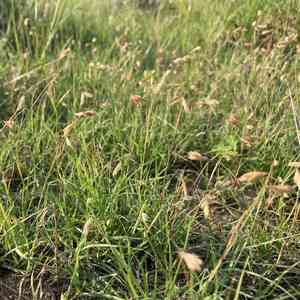
Buffalo grass (Bouteloua dactyloides)
Also known as: Buffalo Grass, Büffelgras
Buffalo grass (Bouteloua dactyloides) is becoming a popular choice for replacing traditional lawns due to its low maintenance needs. This grass, once a primary food source for the buffalo herds of North America's interior, requires infrequent mowing and is highly drought-resistant. Its ability to thrive with minimal care makes it an attractive and practical alternative for homeowners looking to reduce lawn upkeep.
In This Article
Attributes of Buffalo grass
Lifespan
Perennial
Plant Type
Herb
Plant Height
0 mm to 30 cm
Spread
60 cm to 1.2 m
Leaf Color
Green Blue Gray Silver Bronze
Flower Size
2.5 cm
Flower Color
Yellow Green Purple Brown
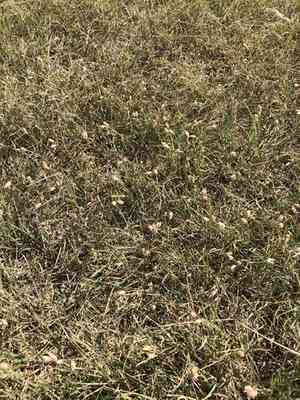
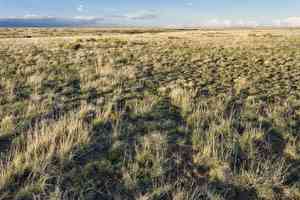
Images of Buffalo grass
Quickly Identify Buffalo grass
1
Low-to-the-ground profile, reaching 8 inches (20 cm) tall and spreading to 12 inches (30 cm) wide.
2
Stoloniferous growth pattern with creeping stems forming dense, mat-like clumps.
3
Male flowers on long, slender stems and female flowers in clusters on short stems.
4
Narrow leaves with curly, fine texture, 0.04 to 0.12 inches (1 to 3 mm) wide.
5
Vibrant green leaves with parallel vein pattern, 0.8 to 2 inches (2 to 5 cm) long.
Scientific Classification of Buffalo grass
Phylum
Vascular plants
Class
Monocotyledons
Order
Poales
Family
Grass
Genus
Grama grasses
Species
Buffalo grass
Planting and Growing of Buffalo grass
Care Difficulty
Easy
Watering Schedule
Every 2 days
Sunlight Requirements
Full sun
Sunshine Duration
4-8 hours
Ideal Temperature
75-85℉
Soil Type
Potting Mix, Peat Mix
Soil pH
6.5-7.5
Fertilizer Type
Balanced
Pruning Season
Spring, Summer
Pruning Area
Branches, Leaves
Pruning Frequency
2 times a year
Repotting Season
Spring
Pot Type
Plastic, Ceramic
 How to Water Buffalo grass?
Buffalo Grass, or Bouteloua dactyloides, requires moderate watering. Aim for about 500 milliliters per watering session. Ensure the soil is moist but not soggy to avoid root rot and mimic the grass's natural prairie habitat.
What are the symptoms of an underwatered Buffalo grass?
›
What should I do if my Buffalo grass is not getting enough water?
›
What are the symptoms of an overwatered Buffalo grass?
›
How to save an overwatered Buffalo grass?
›
 What Are the Sunlight Requirements for Buffalo grass?
Full sun is perfect for Bouteloua dactyloides, offering several health benefits. It promotes vigorous growth, enhances drought tolerance, and ensures a dense, lush lawn that is more resistant to external stressors.
More About Sunlight Requirements Techniques→
How much sunlight is ideal for Bouteloua dactyloides?
›
How can you ensure Bouteloua dactyloides gets ideal light?
›
What are the benefits of ideal lighting for Bouteloua dactyloides?
›
 What Is the Ideal Temperature Range for Buffalo grass?
The ideal temperature range for growing Bouteloua dactyloides, commonly known as buffalo grass, is between 75°F and 85°F. This range supports optimal growth and development, encouraging lush and dense coverage while supporting photosynthesis and other physiological processes effectively. Maintaining this temperature range can help ensure vibrant and healthy growth over time.
 What Soil is Best for Buffalo grass?
Bouteloua dactyloides thrives in well-drained soils, which prevent root rot and ensure that the roots receive adequate oxygen. This promotes healthy growth and robust root development. Medium fertility soils help support the balanced nutrition that Bouteloua dactyloides requires for optimal leaf and stem growth, avoiding excessive lush growth that can make it more susceptible to pests. This plant prefers drier soil conditions, which mimic its natural prairie habitat, thus providing a natural defense mechanism against soil-borne diseases and reducing maintenance with less need for irrigation.
 How to Fertilize Buffalo grass?
Bouteloua dactyloides, commonly known as buffalo grass, thrives on nutrient efficiency. For liquid fertilizer, use a balanced formula like 10-10-10 diluted at half strength, applying about 1 gallon per 1,000 square feet. For slow-release granular fertilizers, an application rate of 1-2 pounds of nitrogen per 1,000 square feet per year will suffice.
 How to Prune Buffalo grass?
Begin by observing your Bouteloua dactyloides for any browned or dead patches. Using sharp pruning shears or a lawn mower set to a height of about 2 to 3 inches, trim these areas to stimulate growth. Ensure that you cut back any undesired growth extending beyond its designated area. Always clean your tools before starting to prevent the spread of disease.
 How to Propagate Buffalo grass plant?
1
Begin by collecting Bouteloua dactyloides seeds from healthy plants in late summer. Clean and dry the seeds thoroughly before storage. Store them in a cool, dark place until you are ready to plant them in spring.
2
In early spring, fill seed trays with a well-draining seed-starting mix. Scatter the seeds evenly and cover them lightly with soil. Maintain soil moisture until seedlings appear, which usually takes about 10-14 days.
3
To propagate by division, dig up established plants in early summer. Carefully separate root clumps using a sharp spade, ensuring each division has roots and shoots intact. Replant immediately at the same depth in a prepared bed.
 How to Repot Buffalo grass plant?
1
Bouteloua dactyloides should be repotted when it shows signs of root-bound growth, such as roots growing out of the drainage holes or circling the pot's surface. Ideally, perform this task in spring or early summer when the plant is actively growing, ensuring a smooth transition and reducing transplant shock.
2
Select a pot that is only slightly larger than the current one to prevent excess soil from retaining too much moisture. Ensure it has adequate drainage holes to allow excess water to escape, reducing the risk of root rot. A terracotta pot can be an excellent choice for its breathability, aiding in moisture regulation.
3
A well-draining sandy mix is essential for Bouteloua dactyloides as it mimics its natural habitat, allowing proper air and water circulation around the roots. This type of soil prevents waterlogging, a common issue that can lead to root rot in this drought-tolerant grass.
Learn More About Buffalo grass Diseases
Bacterial Leaf Spot
Bacterial Wilt
Cyst Nematode
Damping-off
Downy Mildew
Drought Stress
Fusarium Wilt
Gray Mold
Leaf Spot
Mosaic
Nutrient Deficiency
Nutrient Toxicity
Powdery Mildew
Root Rot
Root-knot Nematode
Rusts
Sooty Mold
Spider Mites
Temperature Stress
Thrips Damage
White Mold
Chemical Injury



