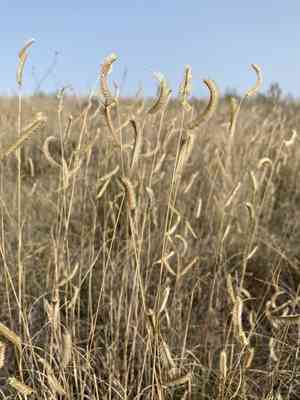
Blue Grama (Bouteloua gracilis)
Also known as: Blue Grama, Mosquito Grass
Blue Grama (*Bouteloua gracilis*) is a North American native perennial grass. It thrives in Canada, the United States, and northern Mexico. Renowned for its drought resistance, it is also an important forage grass for livestock.
In This Article
Attributes of Blue Grama
Lifespan
Perennial
Plant Type
Herb
Plant Height
30 cm to 91 cm
Spread
50 cm
Leaf Color
Green Gray
Flower Size
2.5 cm
Flower Color
Brown White Green Purple Red
Images of Blue Grama
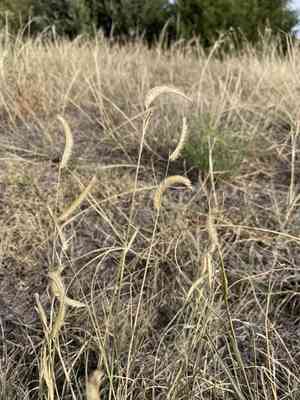
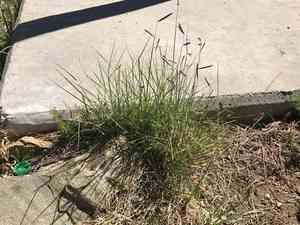
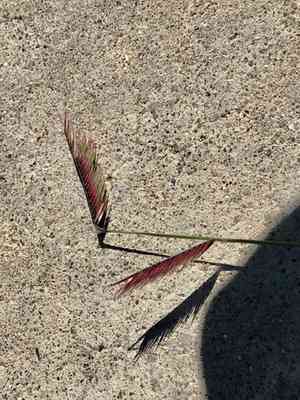
Quickly Identify Blue Grama
1
Fine-textured, gray-green foliage
2
Distinctive horizontal purple flowers
3
Airy clusters of tiny, fan-like florets
4
Dry, tan-colored fruit resembling mosquito larvae
5
Basal tufted leaves, bright green to blue-gray
Scientific Classification of Blue Grama
Phylum
Vascular plants
Class
Monocotyledons
Order
Poales
Family
Grass
Genus
Grama grasses
Species
Blue Grama
Planting and Growing of Blue Grama
Care Difficulty
Easy
Watering Schedule
Every 2 days
Sunlight Requirements
Full sun
Sunshine Duration
6-12 hours
Ideal Temperature
65-80℉
Soil Type
Potting Mix, Peat Mix
Soil pH
6.5-7.5
Fertilizer Type
Balanced
Pruning Season
Spring, Summer
Pruning Area
Branches, Leaves
Pruning Frequency
2 times a year
Repotting Season
Spring
Pot Type
Plastic, Ceramic
 How to Water Blue Grama?
Bouteloua gracilis, commonly known as blue grama, thrives in well-drained soil and does not require excessive watering. A general rule of thumb is to provide approximately 500 milliliters of water each session, ensuring the soil is moist but not waterlogged. This grass species is drought-tolerant; hence, overwatering can lead to root rot and stagnation.
What are the symptoms of an underwatered Blue Grama?
›
What should I do if my Blue Grama is not getting enough water?
›
What are the symptoms of an overwatered Blue Grama?
›
How to save an overwatered Blue Grama?
›
 What Are the Sunlight Requirements for Blue Grama?
Bouteloua gracilis thrives best under full sun conditions, benefiting from 6 to 8 hours of direct sunlight daily. This helps in retaining its compact form, rich color, and optimal reproductive health.
More About Sunlight Requirements Techniques→
What is the best light condition for Bouteloua gracilis?
›
How to ensure Bouteloua gracilis receives ideal lighting?
›
What benefits does Bouteloua gracilis gain from ideal lighting?
›
 What Is the Ideal Temperature Range for Blue Grama?
Bouteloua gracilis thrives best in temperatures ranging from 65°F to 80°F. These temperatures are ideal for promoting healthy growth, flowering, and root development. Maintaining this temperature range ensures that the plant has the right conditions to carry out photosynthesis efficiently and maintain its metabolism.
 What Soil is Best for Blue Grama?
Bouteloua gracilis thrives in well-drained soil, which prevents root rot by avoiding water accumulation. This requirement ensures the plant's roots have consistent access to oxygen, promoting healthy growth. This plant prefers soil with moderate fertility, allowing it to access essential nutrients without being overwhelmed by high nutrient concentrations, which can lead to excessive leafy growth with weak stems. A sandy texture offers Bouteloua gracilis excellent drainage while still providing enough substrate for root support. This quality ensures roots remain aerated and healthy, crucial for a resilient plant.
 How to Fertilize Blue Grama?
For Bouteloua gracilis, also known as blue grama, the right amount of fertilizer depends on its specific environment and growth stage. Generally, use a balanced liquid fertilizer diluted to half the recommended strength, which equates to about 1/4 teaspoon per gallon of water. For granular forms, use no more than 1 pound per 1,000 square feet. This amount helps the grass maintain its natural appearance while avoiding excess nutrients that could damage its root system.
 How to Prune Blue Grama?
Begin by cutting back any dead or damaged stems to encourage new, healthy growth. This helps maintain the plant’s appearance and supports overall vigor. Lightly trim the plant to maintain a tidy, attractive shape. Focus on even cutting to ensure balanced growth while supporting the plant's natural form. If certain areas of the plant become crowded, selectively thin out stems to improve air circulation and light penetration. This reduces the risk of fungal diseases.
More About Pruning Techniques→
 How to Propagate Blue Grama plant?
1
Fill a seed tray with well-draining soil and moisten it lightly. Scatter the Bouteloua gracilis seeds over the surface and cover them with a thin layer of soil. Ensure even coverage and place the tray in a warm, sunny location.
2
Keep the seed tray consistently moist but not waterlogged. Once seedlings emerge, wait until they have strong root systems before transplanting to a garden bed or pot. Transplant with care to minimize root disturbance.
3
Carefully lift the mature Bouteloua gracilis plant from the soil using a garden spade. Divide the clump into sections, ensuring each division has a healthy root system and some vegetation. Replant the divisions at the same depth they were growing before.
 How to Repot Blue Grama plant?
1
Bouteloua gracilis requires repotting when you notice the roots are visibly growing out of the drainage holes or if the soil begins to break down and compact, inhibiting water penetration. These signs usually indicate that the plant has outgrown its pot and would benefit from fresh soil nutrients.
2
Select a pot that is just one size larger than the current one; this encourages healthy root growth without overwhelming the plant. Ensure the pot has adequate drainage holes to prevent waterlogging, which can lead to root rot—a common problem in overly moist environments.
3
Opt for a soil mix that mimics the plant’s natural conditions, such as a well-draining sandy soil. This type of soil prevents water stagnation, which is essential for the health of Bouteloua gracilis, reducing the risk of root rot while facilitating aeration.



