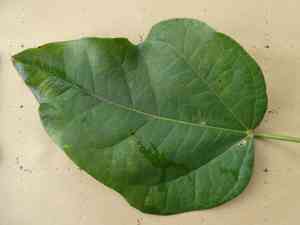
Illawarra flame tree(Brachychiton acerifolius)

Illawarra flame tree (Brachychiton acerifolius)

Also known as: Flame tree, Australian flame tree

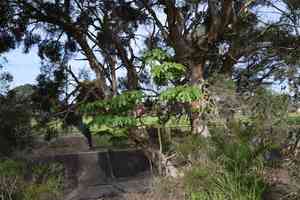
The Illawarra flame tree (Brachychiton acerifolius) is a stunning deciduous species native to eastern Australia, noted for its spectacular red flowers that bloom in late spring to early summer. This tree typically reaches heights of 15-18 meters and features a rounded canopy.

### Key Characteristics:
- **Height:** Grows up to 15-18 meters.
- **Canopy:** Rounded and expansive, spreading 9-12 meters wide.
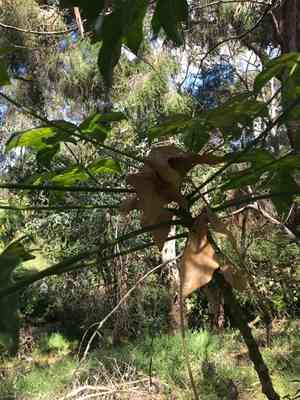
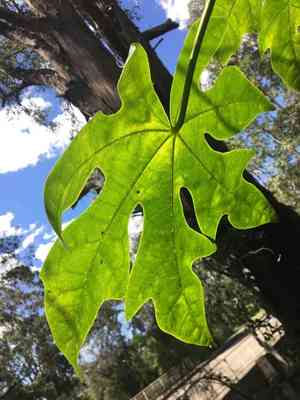
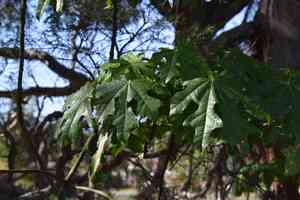
- **Leaves:** Glossy green, with shapes that can vary from lobed to unlobed.
- **Flowers:** Bright red, bell-shaped, and highly ornamental, appearing in spring.
- **Fruit:** Produces large, woody pods that mature in summer and fall.

### Growing Conditions:
- **Light:** Prefers full sun.
- **Soil:** Adaptable to a range of soil types but does best in well-drained, moist to dry soils.
- **Watering:** Drought-tolerant once established, though benefits from regular watering during dry periods.
- **Uses:** Ideal as a flowering street tree or for ornamental use in landscapes.

The Illawarra flame tree’s combination of showy blooms and robust growth makes it a popular choice for adding visual interest to gardens and urban settings.

Attributes of Illawarra flame tree

Lifespan
Perennial
Plant Type
Tree
Plant Height
8 m to 15 m
Spread
6 m to 9 m
Leaf Color
Green
Flower Size
2 - 3 centimeters (0.8 - 1.2 inches)
Flower Color
Red Orange

PlantJoy - Identify plants with a snap

Identify and diagnose plants, get toxicity alerts, and explore safety guides for all types of fungi.

Try for Free

Images of Illawarra flame tree

Illawarra flame tree(Brachychiton acerifolius)

Quickly Identify Illawarra flame tree

1
Bell-shaped scarlet-red flowers in pendant clusters
2
Dark brown woody fruit pods that split to reveal yellow seeds
3
Smooth, glossy leaves with variable lobing and prominent reticulate vein pattern

Scientific Classification of Illawarra flame tree

Phylum
Vascular plants
Class
Dicotyledons
Order
Malvales
Family
Mallow
Genus
Kurrajong
Species
Illawarra flame tree

Planting and Growing of Illawarra flame tree

Care Difficulty
Easy
Watering Schedule
Every 3 days
Sunlight Requirements
Full sun
Sunshine Duration
6-10 hours
Ideal Temperature
60-77℉
Soil Type
Potting Mix, Peat Mix
Soil pH
6.5-7.5
Fertilizer Type
Balanced
Pruning Season
Spring, Summer
Pruning Area
Branches, Leaves
Pruning Frequency
2 times a year
Repotting Season
Spring
Pot Type
Plastic, Ceramic

water icon How to Water Illawarra flame tree?

For Brachychiton acerifolius, the soil should be thoroughly soaked until water drains out from the bottom of the pot. This ensures that all roots have access to moisture, replicating natural rainfall patterns.
What are the symptoms of an underwatered Illawarra flame tree?
What should I do if my Illawarra flame tree is not getting enough water?
What are the symptoms of an overwatered Illawarra flame tree?
How to save an overwatered Illawarra flame tree?

sunlight icon What Are the Sunlight Requirements for Illawarra flame tree?

Sunlight Requirements: Full sun, Partial sun
Duration of light: 5-7 hours per day
Brachychiton acerifolius prefers full sun to partial sun exposure, ensuring prolific flowering and healthy, dense foliage. Sufficient sunlight encourages vigorous growth and enhances its aesthetic value.
How much sunlight does it need?
How to provide the ideal sunlight?
What are the benefits of ideal sunlight exposure?
More About Sunlight Requirements Techniques

temperature icon What Is the Ideal Temperature Range for Illawarra flame tree?

Ideal Temperature: 60 ~ 77℉
The ideal temperature range for Brachychiton acerifolius is between 60°F and 77°F. This range allows the plant to thrive, promoting optimal growth and vibrant foliage. Temperatures within this range support the plant's photosynthetic and metabolic processes efficiently, ensuring healthy development.

soil icon What Soil is Best for Illawarra flame tree?

Soil type: Sandy loam, Sand soil, Loam
Soil PH: 6.5 ~ 7.5
Brachychiton acerifolius thrives in soil that retains enough moisture to sustain the tree during drier periods. This soil quality ensures that the tree receives adequate water supply, which is essential for its growth and development, preventing dehydration and promoting healthy foliage. This tree requires soil that offers good drainage capabilities. Proper drainage prevents root rot, a common affliction in poorly draining soils, ensuring that the roots have access to oxygen and reducing the chances of waterlogging. Soil rich in organic matter provides essential nutrients for Brachychiton acerifolius. Nutrient-rich soil supports vigorous growth and enhances the tree's ability to produce its stunning red flowers, enriching its visual appeal and bolstering overall tree health.

fertilize icon How to Fertilize Illawarra flame tree?

Fertilizer type: Balanced
For the Brachychiton acerifolius, it's essential to apply a balanced fertilizer that contains equal parts nitrogen, phosphorus, and potassium. The amount depends on the size of the tree, but generally, 50 grams per square meter is effective for fostering healthy growth.

prune icon How to Prune Illawarra flame tree?

Pruning Time: Spring, Summer, Autumn
Pruning is best performed in the cooler months of spring or autumn, allowing the tree to recover before the summer heat or winter cold. Avoid heavy pruning during peak blooming periods to prevent stress on the plant. Make angled cuts just above a node or lateral bud to encourage optimal growth. Remove no more than a third of the tree's total foliage at once to maintain its energy reserves and structural integrity. Following pruning, water the plant thoroughly and consider applying a balanced fertilizer to support new growth. Monitor the tree for any signs of shock or disease, and provide extra care as needed to ensure a smooth recovery. More About Pruning Techniques

propagate icon How to Propagate Illawarra flame tree plant?

Propagate Time: Late spring,Early summer
1
Begin by soaking the seeds in warm water overnight to help soften the seed coat. This step enhances germination success by allowing water to penetrate the seed more efficiently.
2
Sow the seeds in a seed germination tray filled with a well-draining seed starter mix. Cover the seeds lightly with soil and water thoroughly. Maintain a warming temperature for optimal germination.
3
Select healthy, semi-hardwood stems and use pruning shears to cut 4-6 inch sections. Strip the lower leaves and dip the cut end in rooting hormone to encourage root development.
More About Propagating Techniques

repot icon How to Repot Illawarra flame tree plant?

Repotting frequency: Every 2-3 years
1
Brachychiton acerifolius should be repotted when you notice roots starting to grow out of the drainage holes or when the plant becomes root-bound. Another indicator is if the soil dries out too quickly between waterings, signaling that the roots have overgrown the current pot.
2
Choose a pot that is 2-3 inches larger in diameter than the current one. Ensure it has adequate drainage holes to prevent waterlogging. A slightly larger pot gives roots room to expand, supporting healthier growth and preventing root rot.
3
Opt for a well-draining potting mix, preferably one that includes a mix of sand, loam, and perlite. This kind of soil supports rapid drainage and provides necessary aeration, crucial for the healthy growth of Brachychiton acerifolius.

PlantJoy - Identify plants with a snap

Find the best spots for them to optimize their health, simply using your phone.

Try for Free

Toxicity of Illawarra flame tree

Is Illawarra flame tree toxic to humans?

The Illawarra flame tree presents a slight toxicity threat to humans, chiefly due to allergic reactions and ingestion. When in contact with the hairs of the seeds, individuals may experience allergic responses. Ingesting these parts of the plant may result in toxicity. Symptoms of poisoning can manifest as skin irritation or more serious allergic reactions following dermal contact. Consuming the seeds can result in gastrointestinal distress, indicated by nausea, vomiting, or diarrhea. It is crucial for individuals to steer clear of unintentional ingestion of the seeds and to exercise caution while handling them to avoid allergic reactions.

Is Illawarra flame tree toxic to cat?

The Illawarra flame tree poses a mild toxicity risk to cats. Cats can become exposed through contact with the seed hairs, which may result in allergic reactions, or by consuming any part of the plant, as it is harmful to them. It is important to highlight that the hairs on the seeds carry the risk. If a cat touches these hairs, it may display symptoms of physical distress, including agitation or discomfort. Should poisoning be suspected, it is crucial to obtain immediate veterinary attention to safeguard the health and well-being of the affected cat.

Is Illawarra flame tree toxic to dog?

The Illawarra flame tree presents a mild toxicity risk for dogs. Contact with this plant can occur in two main ways: dogs might suffer an allergic response upon touching the hairs on the seeds, or they could experience toxicity from eating parts of the plant. The toxic components are primarily the hairs found on the seeds, which should be kept away from pets. If a dog comes into contact with or consumes these parts of the Illawarra flame tree, possible symptoms may include skin irritation or gastrointestinal distress. It is vital for dog owners to supervise their pets around the Illawarra flame tree and ensure any fallen seeds are quickly removed from areas accessible to dogs. Should a dog display symptoms that suggest poisoning from the Illawarra flame tree, seeking immediate veterinary care is crucial for effective management of the condition.

Identify toxic plants for your safety

Learn which plants are harmful to you and your pets, and make informed choices for a safer home!

Try for Free
WARNING
The judgment on toxicity and danger is for reference only. We DO NOT GUARANTEE any accuracy of such judgment. Therefore, you SHALL NOT rely on such judgment. It is IMPORTANT TO SEEK PROFESSIONAL ADVICE in advance when necessary.
More About Toxic Techniques