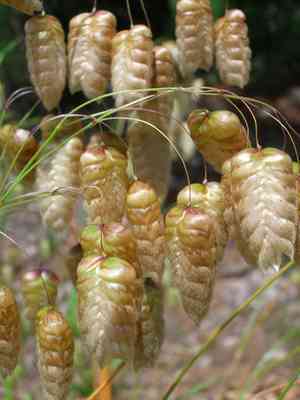
Big quaking grass (Briza maxima)
Also known as: Great quaking grass, Pearl grass, Nodding grass, Rattlesnake grass
Pampas grass, known for its feathery plumes, is a popular choice for adding texture to flower arrangements. Originally from Africa and the Mediterranean region, it has spread globally. However, in places like the U.S. and Australia, it is now classified as invasive and poses a threat to local ecosystems.
In This Article
Attributes of Big quaking grass
Lifespan
Annual
Plant Type
Herb
Plant Height
10 cm to 70 cm
Spread
60 cm
Leaf Color
Green
Flower Size
1 cm to 5 cm
Flower Color
Yellow Green
Images of Big quaking grass
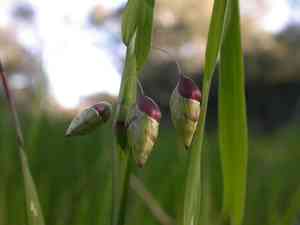
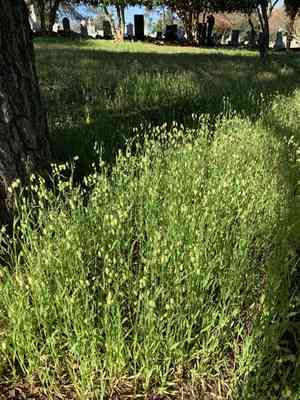
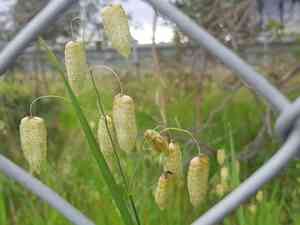
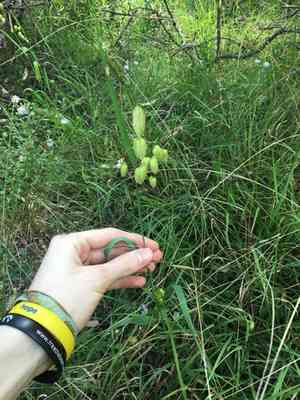
Quickly Identify Big quaking grass
1
Distinctive reddish-brown to tan hue seed heads with scale-like seeds
2
Leaves with parallel veins, reaching up to 16 feet (4.88 meters) in length
3
Fruit enclosed in lightweight, papery utricle with variable coloration
4
Thrives in less fertile soil, larger than related species, used in dried floral arrangements
5
Seed head structure features open, puffy formations of overlapping seeds
Scientific Classification of Big quaking grass
Phylum
Vascular plants
Class
Monocotyledons
Order
Poales
Family
Grass
Genus
Quaking grasses
Species
Big quaking grass
Planting and Growing of Big quaking grass
Care Difficulty
Easy
Watering Schedule
Every 4 days
Sunlight Requirements
Full sun
Sunshine Duration
6-8 hours
Ideal Temperature
60-75℉
Soil Type
Potting Mix, Peat Mix
Soil pH
6.5-7.5
Fertilizer Type
Balanced
Pruning Season
Spring, Summer
Pruning Area
Branches, Leaves
Pruning Frequency
2 times a year
Repotting Season
Spring
Pot Type
Terracotta, Plastic
 How to Water Big quaking grass?
Briza maxima thrives with about 250 ml of water per session. The key is to allow the soil to dry out slightly between waterings, ensuring the top inch is dry before introducing fresh moisture. Too much water can cause the roots to rot, so moderation and observation are crucial. Observe the plant's response and adjust based on weather and humidity changes.
What are the symptoms of an underwatered Big quaking grass?
›
What should I do if my Big quaking grass is not getting enough water?
›
What are the symptoms of an overwatered Big quaking grass?
›
How to save an overwatered Big quaking grass?
›
 What Are the Sunlight Requirements for Big quaking grass?
Partial to full sun is ideal for Briza maxima, contributing to vibrant, healthy foliage and increased flowering. It allows the plant to use light effectively for photosynthesis and gradual growth without distress.
More About Sunlight Requirements Techniques→
What are the ideal lighting conditions for Briza maxima?
›
How can you ensure Briza maxima receives ideal light conditions?
›
What benefits will Briza maxima gain from optimal lighting?
›
 What Is the Ideal Temperature Range for Big quaking grass?
Briza maxima thrives best between 60°F and 75°F. This temperature range mimics its natural Mediterranean environment, ensuring optimal growth, flowering, and seed production. Temperatures within this range facilitate metabolic processes and help maintain healthy leaf and stem development. Keeping the plant within this ideal range will result in robust growth and vibrant foliage.
 What Soil is Best for Big quaking grass?
Briza maxima thrives in soil that allows excess water to drain quickly, preventing root rot. Good drainage ensures that the roots have access to oxygen, which is crucial for plant health and robust growth. While not overly demanding, nutrient-rich soil can significantly enhance the growth of Briza maxima. Incorporating organic matter such as compost can boost soil fertility, leading to more vibrant foliage and larger flower heads. This plant prefers soil that remains moderately moist. Regular watering helps maintain the ideal moisture level, encouraging steady growth and preventing the stress that can occur in dry conditions.
 How to Fertilize Big quaking grass?
When applying fertilizer to Briza maxima, it's essential to use a balanced, water-soluble formula. For liquid fertilizers, use one teaspoon per gallon of water during the growing season. Ensure you evenly distribute the fertilizer to prevent concentrated nutrient deposits.
 How to Prune Big quaking grass?
As Briza maxima is known for its charming seed heads, it's crucial to wait until they turn an appealing golden hue before pruning. Cutting too early can deprive you of its ornamental value and may affect the natural reseeding process, which is vital for its proliferation. Always aim to prune during the onset of new growth for best results. This ensures that the plant is in its most active phase and can recover swiftly. Cutting it back during dormancy or intense heat can lead to stunted growth or plant stress.
More About Pruning Techniques→
 How to Propagate Big quaking grass plant?
1
Collect the seeds from mature Briza maxima plants once they have dried on the plant and are easy to shake off. It's crucial to do this on a dry day to prevent any moisture from affecting their viability.
2
Prepare a loose, well-draining potting mix and fill the seed tray. Ensure the soil is free from clumps and debris, as it will facilitate even coverage and better contact with the seeds.
3
Sow the seeds thinly and evenly across the surface of the soil in the tray. Lightly cover them with a fine layer of soil or vermiculite, ensuring they are in good contact with the moist substrate but not buried too deeply.
 How to Repot Big quaking grass plant?
1
Keep an eye out for roots poking through the drainage holes, or slowed growth, as signals Briza maxima needs repotting. These indicators usually arise in spring or autumn when the plant is actively growing.
2
Look for a pot that's about 1-2 inches larger in diameter than the current one. Clay pots are excellent for their breathability and help avoid soil moisture issues, promoting healthy root growth.
3
Opt for a well-draining potting mix with some sand or perlite. This ensures adequate drainage, minimizing root rot risk and ensuring your Briza maxima has optimal conditions for nutrient absorption.



