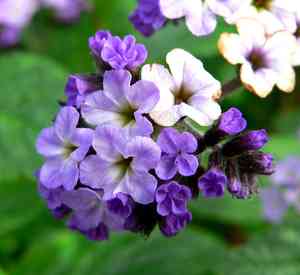
Siberian bugloss (Brunnera macrophylla)
Also known as: Great forget-me-not, Heartleaf brunnera
Siberian bugloss (Brunnera macrophylla) is a flowering plant native to the Caucasus. Siberian bugloss is also known as the forget-me-not. The latin name Brunnera macrophylla means "large leaves."
In This Article
Attributes of Siberian bugloss
Lifespan
Perennial, Annual
Plant Type
Herb
Plant Height
30 cm to 45 cm
Spread
30 cm to 45 cm
Leaf Color
Green White Variegated Silver
Flower Size
2.5 cm
Flower Color
Blue White
Images of Siberian bugloss
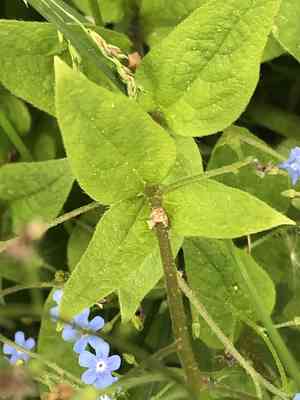
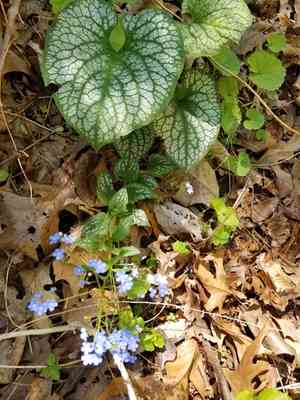
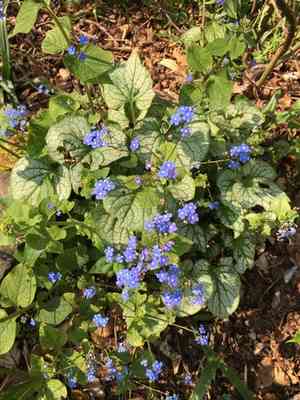
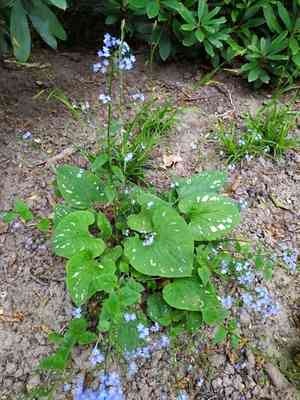
Quickly Identify Siberian bugloss
1
Heart-shaped foliage
2
Vivid blue blossoms with white centers
3
Compact mounding growth up to 18 inches (45 cm) tall
4
Distinctive venation pattern on leaves
5
Some varieties have variegated foliage
Scientific Classification of Siberian bugloss
Phylum
Vascular plants
Class
Dicotyledons
Order
Boraginales
Family
Borage
Genus
Brunnera
Species
Siberian bugloss
Planting and Growing of Siberian bugloss
Care Difficulty
Easy
Watering Schedule
Every 4 days
Sunlight Requirements
Partial sun
Sunshine Duration
4-10 hours
Ideal Temperature
50-65℉
Soil Type
Potting Mix, Peat Mix
Soil pH
6.5-7.5
Fertilizer Type
Balanced
Pruning Season
Spring, Summer
Pruning Area
Branches, Leaves
Pruning Frequency
2 times a year
Repotting Season
Spring
Pot Type
Plastic, Ceramic
 How to Water Siberian bugloss?
For Brunnera macrophylla, it's important to keep the soil consistently moist but not waterlogged. A general guideline is to provide about 500 milliliters of water per session, allowing the soil to absorb the water without being soaked. The goal is to maintain a balance where the soil feels damp to the touch at all times, mimicking the plant's natural woodland habitat.
What are the symptoms of an underwatered Siberian bugloss?
›
What should I do if my Siberian bugloss is not getting enough water?
›
What are the symptoms of an overwatered Siberian bugloss?
›
How to save an overwatered Siberian bugloss?
›
 What Are the Sunlight Requirements for Siberian bugloss?
Brunnera macrophylla benefits from partial sun to full shade conditions. This range ensures vibrant foliage and flowering, making the plant healthy while avoiding issues like leaf burn from excessive direct sunlight.
More About Sunlight Requirements Techniques→
Amount of Sunlight Required
›
Solution for Ideal Sun Exposure
›
Benefits of Correct Light
›
 What Is the Ideal Temperature Range for Siberian bugloss?
Brunnera macrophylla thrives in the cool to mild temperature range of 50 to 65°F. This temperature is considered optimal because it replicates the natural environment of this plant, which is found in shaded, forested areas where temperatures are moderated by canopy cover. Maintaining this temperature range supports healthy leaf development and prolonged flowering periods.
 What Soil is Best for Siberian bugloss?
Brunnera macrophylla thrives best in well-draining soils, which help to prevent root rot by allowing excess water to run off. This creates an optimal environment that balances moisture retention with aeration, ensuring healthy root development. Rich in organic matter, the soil supports the nutritional needs of Brunnera macrophylla. This facilitates robust foliage growth and vibrant blooms, as organic matter gradually releases vital nutrients into the soil. While good drainage is important, the soil should also retain enough moisture to keep the plant hydrated. This balance ensures the plant remains vibrant, particularly during warm weather, preventing leaf wilting.
 How to Fertilize Siberian bugloss?
Brunnera macrophylla prefers moderate fertilization. When using a liquid fertilizer, dilute it to half strength to avoid nutrient burn. A good rule of thumb is to use approximately 1/4 to 1/2 teaspoon per gallon of water, ensuring even distribution around the plant base.
 How to Prune Siberian bugloss?
Begin by making an initial cutback in early spring to remove any dead or damaged foliage that may have lingered through the winter. Use sharp pruning shears to cut back the stems to just above the healthy bud or leaf junction. This process helps invigorate the plant and prepares it for the active growing season. Once flowering has ceased in late spring or early summer, trim back the spent flower stalks to encourage a second flush of blooms. This focus on deadheading not only tidies the plant but also diverts energy towards new growth and potential late blooms.
More About Pruning Techniques→
 How to Propagate Siberian bugloss plant?
1
Sow Brunnera macrophylla seeds in prepared seed trays filled with a mix of peat and perlite. Cover them lightly with soil, and keep the trays in a protected location at room temperature. Maintain consistent moisture through regular misting, but do not oversaturate the soil.
2
During early spring, dig up established clumps of Brunnera macrophylla with a garden fork. Break apart the root ball into smaller sections with roots and shoots intact. Replant these sections at the same depth in well-prepared soil, spacing them adequately for growth.
3
Both seeds and divided plants require consistent moisture levels, so water thoroughly after planting. Use a gentle spray or watering can to avoid displacing the soil or seeds. Check regularly to ensure the top layer of soil remains moist but not waterlogged.
 How to Repot Siberian bugloss plant?
1
Watch for signs like stunted growth, roots circling the pot, or soil that dries out too quickly. These are all indicators that Brunnera macrophylla needs more space to thrive.
2
Choose a pot one size larger than the current one with good drainage holes. This prevents waterlogging, ensuring roots won't rot while providing ample space for root expansion.
3
Opt for a well-draining soil mix rich in organic matter. This type of soil encourages healthy root development, retains necessary moisture, and offers essential nutrients.



