
Butterfly bush (Buddleja davidii)
Also known as: Orange-eye butterfly bush, Swallowtail butterfly
Buddleja davidii, often referred to as the butterfly bush, is a rapidly growing shrub indigenous to East Asia. This robust plant is frequently grown for its ornamental appeal, thanks to its striking purple flower clusters. It's aptly named the butterfly bush because its blooms provide essential nectar for a variety of butterfly species.
In This Article
Attributes of Butterfly bush
Lifespan
Perennial
Plant Type
Shrub
Plant Height
1 m to 5 m
Spread
1.2 m to 4.5 m
Leaf Color
Green Gray Yellow White Variegated Silver
Flower Size
2.5 cm
Flower Color
Purple White Pink Red Blue Lavender
Images of Butterfly bush
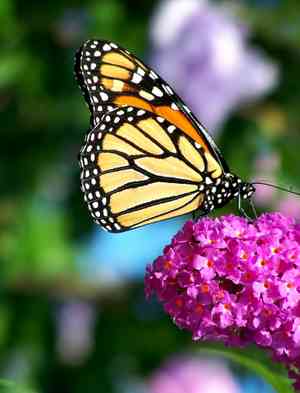
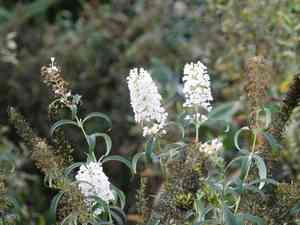
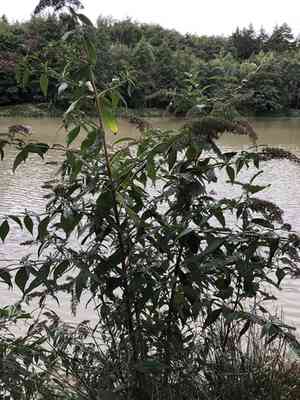
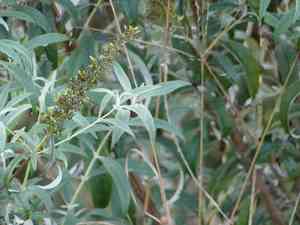
Quickly Identify Butterfly bush
1
Opposing, tomentose leaves with fuzzy undersides
2
Terminal inflorescences in showy panicles
3
Trumpet-shaped flowers with orange-yellow throat
4
Small, two-valved capsules with 3 million seeds
5
Distinctly four-sided, flexible stem with opposite branching
Scientific Classification of Butterfly bush
Phylum
Vascular plants
Class
Dicotyledons
Order
Mints plantains olives and allies
Family
Figwort
Genus
Butterfly bushes
Species
Butterfly bush
Planting and Growing of Butterfly bush
Care Difficulty
Easy
Watering Schedule
Every 4 days
Sunlight Requirements
Full sun
Sunshine Duration
4-8 hours
Ideal Temperature
60-75℉
Soil Type
Potting Mix, Peat Mix
Soil pH
6.5-7.5
Fertilizer Type
Balanced
Pruning Season
Spring, Summer
Pruning Area
Branches, Leaves
Pruning Frequency
2 times a year
Repotting Season
Spring
Pot Type
Plastic, Ceramic
 How to Water Butterfly bush?
Buddleja davidii, commonly known as Butterfly Bush, requires watering such that the soil remains moderately moist but never waterlogged. Watering to the extent of 500 ml is generally sufficient, allowing the water to penetrate deeply into the soil while avoiding excess drainage.
More About Watering Techniques→
What are the symptoms of an underwatered Butterfly bush?
›
What should I do if my Butterfly bush is not getting enough water?
›
What are the symptoms of an overwatered Butterfly bush?
›
How to save an overwatered Butterfly bush?
›
 What Are the Sunlight Requirements for Butterfly bush?
Buddleja davidii flourishes in full to partial sun. Ideal light ensures prolific flowering, robust growth, and enhanced resistance to diseases, contributing to the plant's overall vitality.
More About Sunlight Requirements Techniques→
How much sunlight does Buddleja davidii need?
›
What if I cannot provide full sun?
›
What are the benefits of optimal sunlight for Buddleja davidii?
›
 What Is the Ideal Temperature Range for Butterfly bush?
The ideal temperature range for Buddleja davidii, often known as the butterfly bush, is between 60°F and 75°F. Within this range, the plant exhibits optimal growth, vibrant blooms, and overall health. Maintaining temperatures in this range ensures adequate photosynthesis, transpiration, and nutrient uptake. Any significant deviation might affect the plant's vitality and flowering potential.
 What Soil is Best for Butterfly bush?
Buddleja davidii thrives in well-draining soils that prevent waterlogging. This plant prefers a soil that retains moisture just enough for its roots without becoming overly saturated. Well-draining soil is essential because it prevents root rot and allows the plant to draw nutrients effectively. While Buddleja davidii is quite adaptable, it does well in soil rich in organic matter. Nutrient-rich soil provides a wholesome foundation that supports healthy growth and vibrant blooms. Incorporating compost or well-rotted manure can significantly enhance soil fertility, enriching the plant’s overall condition. Buddleja davidii prospers in soil with a pH level between 6.5 and 7.5, which allows for optimal nutrient absorption. A neutral to slightly alkaline pH ensures that essential nutrients remain available to the plant, thus supporting its vigorous growth and flowering potential.
More About Soil→
 How to Fertilize Butterfly bush?
Buddleja davidii thrives well with moderate fertilization. A balanced liquid fertilizer (like 10-10-10) diluted to half strength is ideal. Apply 500 ml per plant each session, ensuring even coverage around the root zone.
More About Fertilizing Techniques→
 How to Prune Butterfly bush?
Start by removing any dead or damaged branches, cutting them back to the base. Next, focus on thinning out the center of the plant to improve air circulation which helps prevent disease. Finally, cut back the remaining branches to about one-third of their height to encourage a bushier growth habit and more flower production. Ensure that your pruning shears are sharp and clean to make precise cuts and reduce the risk of spreading disease. For larger branches, use loppers or a pruning saw. Sterilize tools between plants if you are pruning multiple specimens to avoid cross-contamination. While pruning, check for signs of pests, such as aphids or spider mites, and any fungal diseases which might manifest as spots or mildew on the leaves. Addressing these issues early will support the health of your plant throughout the growing season.
More About Pruning Techniques→
 How to Propagate Butterfly bush plant?
1
To propagate using seeds, collect mature Buddleja davidii seeds in late summer. Ensure the seeds are dry and free from pests before storing them in a cool, dry place until spring planting.
2
Select healthy, non-flowering stems from the Buddleja davidii and use pruning shears to cut sections about 6 inches long. Remove leaves from the lower half to prevent rot and encourage root development.
3
For layering propagation, choose a low-growing branch and gently bend it to the soil. Cover part of the branch with soil, leaving the tip exposed. Secure with a U-shaped pin. Roots will develop at the covered section.
 How to Repot Butterfly bush plant?
1
Buddleja davidii should be repotted when you notice roots crowding the pot's drainage holes or if the growth seems stunted despite proper care. This typically happens every 1-2 years, depending on the plant's growth rate and the pot size. It's best to repot in spring or autumn when the plant is not in active flowering or dormancy, as it will adapt better during these periods.
2
Select a pot that is only slightly larger than the current one, ideally 2-3 inches wider in diameter. A pot that is too large can hold excess moisture and potentially cause root rot. Ensure the new pot has good drainage holes to allow excess water to escape and prevent waterlogging, promoting healthy root development.
3
Use a well-drained potting mix, preferably one designed for shrubs or with a balance of perlite and peat moss. This composition provides adequate drainage to prevent waterlogging, while the organic matter retains necessary moisture and nutrients. It mimics the plant's natural environment, promoting healthier growth and reducing transplant shock.
Learn More About Butterfly bush Diseases
Anthracnose
Bacterial Leaf Spot
Bacterial Wilt
Chemical Injury
Crown Gall
Damping-off
Downy Mildew
Drought Stress
Fusarium Wilt
Gray Mold
Leaf Curl
Leaf Spot
Mosaic
Nutrient Deficiency
Nutrient Toxicity
Powdery Mildew
Root Rot
Root-knot Nematode
Rusts
Sooty Mold
Spider Mites
Temperature Stress
Thrips Damage
White Mold



