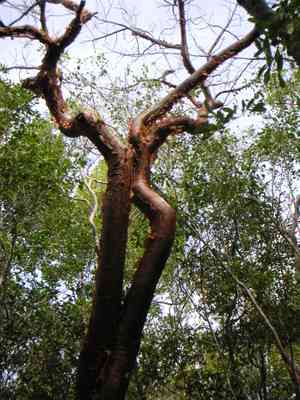
Gumbo limbo (Bursera simaruba)
Also known as: Copperwood, Gum tree, Red birch, Naked indian
The Gumbo Limbo tree, scientifically known as Bursera simaruba, can reach heights of up to 30 meters. It is characterized by its shiny, dark red bark and leaves that are spirally arranged and pinnate with 7-11 leaflets. This tree produces small, three-valved capsules containing single seeds, which attract birds. Renowned for its wind tolerance, the Gumbo Limbo is often planted to shield crops and roads from strong winds.
In This Article
Attributes of Gumbo limbo
Lifespan
Perennial
Plant Type
Tree
Plant Height
30 m
Spread
16 m
Leaf Color
Green
Flower Size
2.5 cm
Flower Color
White Green Cream
Images of Gumbo limbo
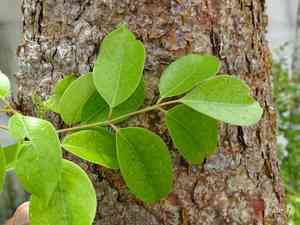
Quickly Identify Gumbo limbo
1
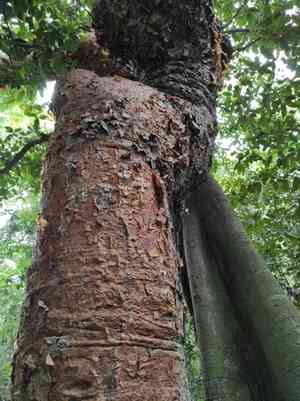
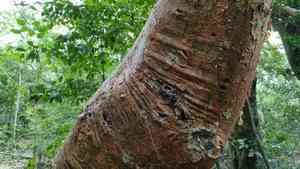
Smooth, shiny, reddish bark that peels like sunburnt skin.
2
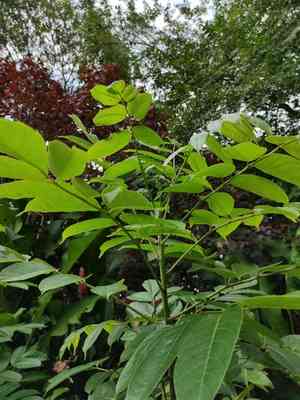
Pinnately compound leaves with oblong to ovate leaflets, smooth texture, and dark green color.
3
Small, creamy white flowers in spike-like panicles up to 4 inches (10 cm) long.
4
Elliptical drupe fruit, 1/4 to 1/2 inch (6 to 12 mm), changing from olive green to maroon, enclosing red nutlet.
5
Distinctive trunk with exfoliative bark shedding in fine flakes, revealing lighter shades.
Scientific Classification of Gumbo limbo
Phylum
Vascular plants
Class
Dicotyledons
Order
Sapindales
Family
Torchwood
Genus
Bursera
Species
Gumbo limbo
Planting and Growing of Gumbo limbo
Care Difficulty
Easy
Watering Schedule
Every 4 days
Sunlight Requirements
Full sun
Sunshine Duration
4-8 hours
Ideal Temperature
68-86℉
Soil Type
Potting Mix, Peat Mix
Soil pH
6.5-7.5
Fertilizer Type
Balanced
Pruning Season
Spring, Summer
Pruning Area
Branches, Leaves
Pruning Frequency
Once a year
Repotting Season
Spring
Pot Type
Plastic, Ceramic
 How to Water Gumbo limbo?
For Bursera simaruba, which thrives in dry conditions, aim to provide about 500 milliliters of water each time. Therefore, it is crucial to ensure the soil is completely dry between waterings to mimic its natural arid habitat, encouraging the plant to develop deep root systems. Overwatering should be strictly avoided. The plant enjoys a good soak when watered, but make sure that the water drains freely from the pot, leaving no puddles at the bottom.
More About Watering Techniques→
What are the symptoms of an underwatered Gumbo limbo?
›
What should I do if my Gumbo limbo is not getting enough water?
›
What are the symptoms of an overwatered Gumbo limbo?
›
How to save an overwatered Gumbo limbo?
›
 What Are the Sunlight Requirements for Gumbo limbo?
Bursera simaruba thrives best with full sun to partial sun exposure, maximizing growth. Ideal light encourages healthy foliage, aids in natural pest resistance, and maintains vibrant leaf and bark colors.
More About Sunlight Requirements Techniques→
How does Bursera simaruba thrive with ideal light?
›
What are some solutions to achieve ideal lighting?
›
How does ideal lighting benefit Bursera simaruba?
›
 What Is the Ideal Temperature Range for Gumbo limbo?
For optimal growth, Bursera simaruba thrives best in temperatures ranging from 68°F to 86°F. This range ensures that the plant can maintain its metabolic processes efficiently, promoting healthy leaf development and robust growth. It is important to provide a stable environment within this temperature bracket to avoid temperature-related stress.
 What Soil is Best for Gumbo limbo?
Bursera simaruba thrives in well-drained soils, allowing its roots to breathe and preventing root rot, which can stunt growth and vitality. Well-drained soil also ensures that water does not pool around the roots, which is crucial for maintaining the overall health and stability of the plant. This plant benefits from soil that is rich in nutrients, supporting robust growth and vibrant foliage. Ensuring that the soil is enriched with organic matter can significantly enhance the plant's health and its ability to fend off pests and diseases. Proper soil aeration is essential for Bursera simaruba as it facilitates root expansion and nutrient absorption. Aerated soil ensures that the roots have ample oxygen, which promotes healthier growth and a more resilient plant.
More About Soil→
 How to Fertilize Gumbo limbo?
For Bursera simaruba, it is essential to consider its moderate nutrient needs. A balanced liquid fertilizer diluted to one-quarter strength is ideal. Apply approximately 500 ml per application, ensuring even distribution throughout the soil surface. For solid fertilizers, use a slow-release formula, applying around 50 grams evenly across the rooting area.
More About Fertilizing Techniques→
 How to Prune Gumbo limbo?
Start by identifying dead, diseased, or broken branches. These should be the first to go as they can harbor pests and diseases that may spread to healthy parts of the tree. Make your cuts at a 45-degree angle just above a leaf node or bud. This allows water to run off easily, reducing the risk of rot and encouraging healthy new growth. After removing unwanted branches, step back and look at the overall shape of the tree. Trim accordingly to maintain a natural but symmetrical appearance.
More About Pruning Techniques→
 How to Propagate Gumbo limbo plant?
1
For seed propagation, collect ripe fruits and extract the seeds. For cutting propagation, select a healthy branch of about 6 inches in length. Use sterilized pruning shears to make a clean cut.
2
Prepare a well-draining growing medium, such as a mix of sand and peat. This will provide the ideal environment for seed germination or root growth in cuttings, ensuring adequate aeration and moisture retention.
3
For seeds, plant them about 1/4 inch into the soil. For cuttings, dip the cut end in rooting hormone and plant about an inch deep. Water lightly and cover with a plastic dome or bag to maintain humidity.
 How to Repot Gumbo limbo plant?
1
Embrace the ideal moment for repotting when Bursera simaruba signals its need for a new home. Look for signs such as roots peeking through the drainage holes or the plant appearing to outgrow its current pot. These are clear indications that it's time to refresh its environment and provide more space for growth.
2
Choosing the right pot for your Bursera simaruba involves more than just aesthetics. Opt for a pot that's slightly larger than the current one, with ample drainage holes to prevent waterlogging. The right pot allows the roots to expand without being cramped, ensuring robust growth and preventing root rot, which could be detrimental to the plant.
3
The perfect soil for repotting Bursera simaruba is a sandy, well-draining mix. This type of soil mimics its natural habitat, allowing for proper moisture control and airflow to the roots. The benefits of such a soil include preventing water retention, reducing the risk of root rot, and fostering healthy growth by providing essential nutrients effectively.
Learn More About Gumbo limbo Diseases
Anthracnose
Bacterial Leaf Spot
Bacterial Soft Rot
Bacterial Wilt
Crown Gall
Damping-off
Downy Mildew
Drought Stress
Fusarium Wilt
Gray Mold
Leaf Curl
Leaf Spot
Mosaic
Nutrient Deficiency
Nutrient Toxicity
Powdery Mildew
Root Rot
Root-knot Nematode
Rusts
Sooty Mold
Spider Mites
Temperature Stress
Thrips Damage
White Mold



