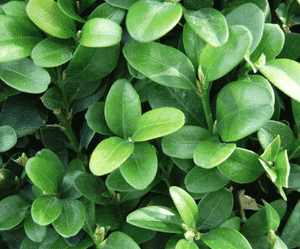
Common boxwood(Buxus sempervirens)

Common boxwood (Buxus sempervirens)

Also known as: Dudgeon, American boxwood

The common boxwood, native to Europe, Africa, and Asia, is an evergreen plant. Its specific epithet, *sempervirens*, translates to "always green," highlighting its year-round foliage. The plant features subtle, fragrant creamy yellow flowers. Historically, its bark and leaves were utilized in making perfumes and extracts.

Attributes of Common boxwood

Lifespan
Perennial
Plant Type
Shrub
Plant Height
1 m to 9 m
Spread
5 m
Leaf Color
Green Yellow Variegated
Flower Size
2.5 cm
Flower Color
Yellow White Green

PlantJoy - Identify plants with a snap

Identify and diagnose plants, get toxicity alerts, and explore safety guides for all types of fungi.

Try for Free

Images of Common boxwood

Common boxwood(Buxus sempervirens)

Quickly Identify Common boxwood

1
Opposite, lustrous leaves measure 0.5-1.5 inches (1.27-3.81 cm) long, with blue-gray color and white cottony midrib.
2
Distinctive square stem, initially green transitioning to brown, up to 0.4 inches (1 cm) thick.
3
Small, cream-colored, non-showy apetalous flowers with subtle fragrance blooming in spring.
4
Globular capsule fruit, 1/3 inch (8-9 mm) diameter, brown when mature, dehiscent for seed dispersal.
5
Dense evergreen foliage with tiny opposite leaves, acute to obtuse tips, and distinctive white pubescence.

Scientific Classification of Common boxwood

Phylum
Vascular plants
Class
Dicotyledons
Order
Buxales
Family
Boxwood
Genus
Boxes
Species
Common boxwood

Planting and Growing of Common boxwood

Care Difficulty
Easy
Watering Schedule
Every 3 days
Sunlight Requirements
Partial sun
Sunshine Duration
4-8 hours
Ideal Temperature
60-75℉
Soil Type
Potting Mix, Peat Mix
Soil pH
6.5-7.5
Fertilizer Type
Balanced
Pruning Season
Spring, Summer
Pruning Area
Branches, Leaves
Pruning Frequency
2 times a year
Repotting Season
Spring
Pot Type
Plastic, Ceramic

water icon How to Water Common boxwood?

For Buxus sempervirens, it's best to water with about 500 ml of water per session, ensuring the soil is thoroughly moistened but not waterlogged. The key principle is to maintain a balance where the soil is damp but not soggy. This supports the plant's needs without risking root rot.
What are the symptoms of an underwatered Common boxwood?
What should I do if my Common boxwood is not getting enough water?
What are the symptoms of an overwatered Common boxwood?
How to save an overwatered Common boxwood?
More About Watering Techniques Group

sunlight icon What Are the Sunlight Requirements for Common boxwood?

Sunlight Requirements: Partial sun
Duration of light: 3 to 6 hours
Buxus sempervirens thrives best in partial sun. This balance provides enough light for vitality and lush growth, maintaining its characteristic compact shape and deep green foliage.
What is the ideal amount of sunlight for Buxus sempervirens?
How can we achieve this ideal lighting condition?
What are the benefits of providing Buxus sempervirens with ideal lighting?
More About Sunlight Requirements Techniques Group

temperature icon What Is the Ideal Temperature Range for Common boxwood?

Ideal Temperature: 60 ~ 75℉
Buxus sempervirens, commonly known as Common Box, thrives best in mild conditions ranging from 60°F to 75°F. This temperature range supports optimal growth, ensuring the plant remains healthy and lush. It's crucial for maintaining the plant's photosynthesis rate and nutrient absorption.

soil icon What Soil is Best for Common boxwood?

Soil type: Loam, Sandy loam, Clay soil
Soil PH: 6.5 ~ 7.5
Buxus sempervirens thrives in well-drained soil to prevent root rot. The ability of well-drained soil to manage excess water ensures that the roots receive enough oxygen, supporting healthier growth. A nutrient-rich medium supports the boxwood's dense and glossy foliage. Providing the plant with plenty of nourishment enhances its defense against diseases and environmental stress. Moderate moisture retention helps to maintain adequate hydration without waterlogging the roots. Balancing moisture levels is crucial for sustaining vibrant plant growth and minimizing drought stress. More About Soil Group

fertilize icon How to Fertilize Common boxwood?

Fertilizer type: Balanced
Buxus sempervirens, commonly known as boxwood, requires careful attention when it comes to fertilization. Apply a balanced 10-10-10 liquid fertilizer at half strength to avoid overfeeding. Typically, you should dilute 2 tablespoons of fertilizer per gallon of water for optimal results. More About Fertilizing Techniques Group

prune icon How to Prune Common boxwood?

Pruning Time: Spring, Summer, Autumn, Winter
Evaluate the overall shape and desired form of your Buxus sempervirens. Decide whether to maintain a formal shape or allow a more natural look. Start by removing any dead or diseased branches with clean cuts close to the main stem. This step prevents the spread of disease. Carefully trim the outer growth to shape the plant. Use shears to trim evenly, taking care not to cut too deeply into older wood as it may not regenerate. Remove overly dense interior branches to increase airflow and light penetration. This encourages healthy new growth and reduces mold and mildew risks.

propagate icon How to Propagate Common boxwood plant?

Propagate Time: Spring, Early summer, Late autumn
1
Select a healthy, semi-hardwood branch about 10 cm long. Cut just below a node as nodes readily root. Remove leaves from the bottom half of the cutting to prevent decay.
2
Dip the cut end in rooting hormone and plant it in a well-draining mixture of sand and peat. Plant cuttings at a depth of about 4-5 cm, pressing the mixture gently around them.
3
Place the cutting in a warm, bright location, avoiding direct sunlight. Maintain humidity by covering the pot with a plastic bag or using a misting system, ensuring the medium remains moist, not waterlogged.

repot icon How to Repot Common boxwood plant?

Repotting frequency: Every 2-3 years
1
Signs that Buxus sempervirens needs repotting include roots protruding from drainage holes and slowed growth. Repot during spring or autumn when the plant is not under stress from extreme temperatures.
2
Select a pot that is 2 inches larger in diameter than the current one with ample drainage holes. A slightly larger pot allows the roots to spread comfortably, promoting healthier growth and preventing root rot.
3
Opt for a well-draining loamy soil mix. This ensures proper aeration and moisture balance, which keeps the roots healthy and reduces the risk of over-watering and root disease.
More About Repotting Techniques Group

PlantJoy - Identify plants with a snap

Find the best spots for them to optimize their health, simply using your phone.

Try for Free

Toxicity of Common boxwood

Is Common boxwood toxic to cat?

The common boxwood is a plant that is toxic to cats, potentially leading to significant health hazards if ingested. When cats inadvertently consume parts of this plant, including the leaves or bark, they risk poisoning. Symptoms associated with poisoning may present as physical discomfort or illness. Although there is no definitive list of toxins found in common boxwood, it is essential to closely observe your cat's behavior. Should your cat show any signs of illness after encountering common boxwood, it is vital to obtain immediate veterinary care to protect their health and safety.

Is Common boxwood toxic to dog?

Common boxwood is recognized as a toxic species for dogs. Dogs may accidentally ingest this plant, a frequent occurrence as pets tend to explore their surroundings with their mouths. All parts of common boxwood are toxic, particularly the leaves and bark. If a dog consumes any part of this plant, it could show symptoms such as gastrointestinal distress, vomiting, diarrhea, or more severe reactions depending on the amount consumed. Given the potential dangers associated with common boxwood, dog owners should keep a vigilant eye on their pets and restrict access to this plant. If a dog does consume common boxwood, it is crucial to seek immediate veterinary assistance to ensure the best possible outcome for the affected animal.

Identify toxic plants for your safety

Learn which plants are harmful to you and your pets, and make informed choices for a safer home!

Try for Free
WARNING
The judgment on toxicity and danger is for reference only. We DO NOT GUARANTEE any accuracy of such judgment. Therefore, you SHALL NOT rely on such judgment. It is IMPORTANT TO SEEK PROFESSIONAL ADVICE in advance when necessary.
More About Toxic Techniques Group

