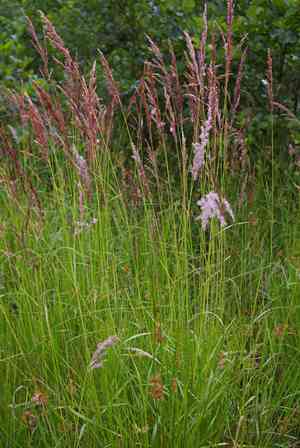
Purple small-reed (Calamagrostis canescens)
Also known as: Purple-flowered smallreed
Purple small-reed is a long-lived perennial grass commonly found in wet habitats such as marshes, fens, and meadows. It features characteristic clusters of leaves and blooms with flowers in the summer, thriving in moist, nutrient-rich environments.
In This Article
Attributes of Purple small-reed
Lifespan
Perennial
Plant Type
Grass
Plant Height
1.2 m
Spread
Not applicable
Leaf Color
Green
Flower Size
1.5 cm to 6 cm
Flower Color
Yellow Purple Brown
Images of Purple small-reed
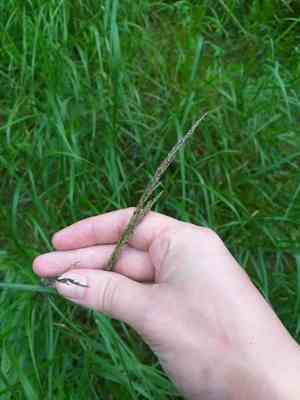
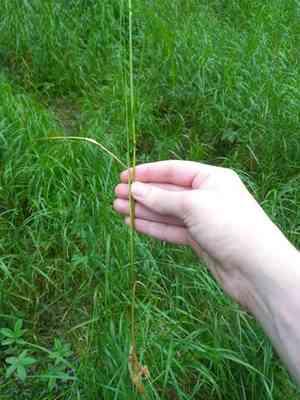
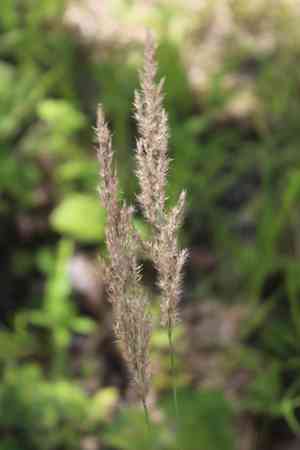
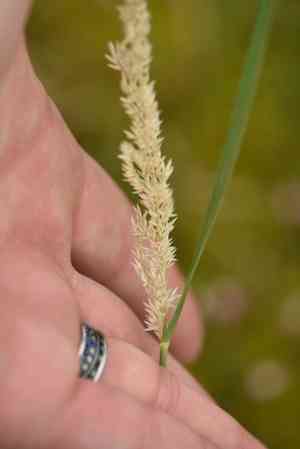
Quickly Identify Purple small-reed
1
Loosely tufted growth with shallow rhizomes, creating clumps.
2
Purple panicles shift to tan, airy appearance in late summer.
3
Dry, one-seeded caryopsis fruit with minute size and streamlined shape.
4
Flat leaves, 2-7 inches long, rough texture with prominent parallel veins.
5
Distinctive ligule at leaf base, 1/4 inch wide, narrowing to pointed tip.
Scientific Classification of Purple small-reed
Phylum
Vascular plants
Class
Monocotyledons
Order
Poales
Family
Grass
Genus
Reed grasses
Species
Purple small-reed
Planting and Growing of Purple small-reed
Care Difficulty
Easy
Watering Schedule
Every 2 days
Sunlight Requirements
Partial sun
Sunshine Duration
4-8 hours
Ideal Temperature
59-77℉
Soil Type
Potting Mix, Peat Mix
Soil pH
6.5-7.5
Fertilizer Type
Balanced
Pruning Season
Spring, Summer
Pruning Area
Branches, Leaves
Pruning Frequency
2 times a year
Repotting Season
Spring
Pot Type
Plastic, Ceramic
 How to Water Purple small-reed?
Calamagrostis canescens typically requires about 500 milliliters of water per session. It's important to water deeply to ensure the root zone is thoroughly moistened, but avoid waterlogging. This helps the plant maintain good health by ensuring water reaches the deeper roots without sitting stagnant around them.
What are the symptoms of an underwatered Purple small-reed?
›
What should I do if my Purple small-reed is not getting enough water?
›
What are the symptoms of an overwatered Purple small-reed?
›
How to save an overwatered Purple small-reed?
›
 What Are the Sunlight Requirements for Purple small-reed?
Partial sun conditions provide ample light without overwhelming intensity, promoting strong growth and vibrant coloration in Calamagrostis canescens.
More About Sunlight Requirements Techniques→
What is the ideal lighting condition for Calamagrostis canescens?
›
How can I achieve the ideal light conditions for this plant?
›
What benefits does the plant gain from the ideal light conditions?
›
 What Is the Ideal Temperature Range for Purple small-reed?
The ideal temperature range for Calamagrostis canescens is between 59°F and 77°F. At these temperatures, the plant can efficiently conduct photosynthesis and cellular respiration, ensuring robust growth and overall health.
 What Soil is Best for Purple small-reed?
Calamagrostis canescens thrives best in soil that retains moisture well. This is crucial for ensuring the plant can access water during drier periods, contributing to lush growth and vibrant foliage. Rich, nutrient-filled soil benefits Calamagrostis canescens by promoting robust root development and increased biomass production, resulting in a healthier, more resilient plant. This plant prefers slightly acidic to neutral pH levels, which enhance nutrient availability and reduce the likelihood of harmful microorganism growth that could impede plant health.
 How to Fertilize Purple small-reed?
Calamagrostis canescens requires a moderate amount of fertilizer to thrive. Use a balanced liquid fertilizer diluted to half strength every time you fertilize. For slow-release fertilizers, apply approximately 20 grams per square meter, ensuring it's evenly distributed in the soil to avoid any nutrient hotspots.
 How to Prune Purple small-reed?
Use sterilized pruning shears to prevent disease. Best time for pruning Calamagrostis canescens is in early spring or late winter, right before the new growth emerges. This timing helps to ensure minimal damage and optimal plant health. Start by removing any dead or damaged leaves. Cut back the plant to about 4-6 inches above the ground. Ensure you make clean cuts across the stems which will promote healthy growth and tidy appearance once the new growth starts.
More About Pruning Techniques→
 How to Propagate Purple small-reed plant?
1
Gather seeds from mature plants once they have dried on the seed heads. Ensure seeds are fully developed and free from mold before storage or sowing.
2
Fill seed trays with a well-draining seed starting mix. Gently press seeds into the mix, covering them lightly to allow light to reach them during germination.
3
Use a spade to dig around the base of the plant. Carefully lift the plant and separate the clumps by hand or with a spade, ensuring roots remain intact.
 How to Repot Purple small-reed plant?
1
Look for signs such as roots growing through the drainage holes or a general slowdown in growth. These are tell-tale indications that your Calamagrostis canescens needs more space to breathe and develop robustly.
2
Select a pot that is 2-3 inches wider than the current one. Ensure it has adequate drainage holes to prevent waterlogging, which can lead to root rot. A slightly larger pot allows for growth without overwhelming the plant.
3
Opt for a well-draining loamy soil mix. This type of soil retains essential moisture while facilitating excess water drainage. It creates a perfect environment for root expansion and nutrient absorption.



