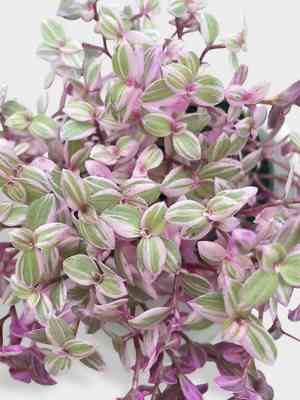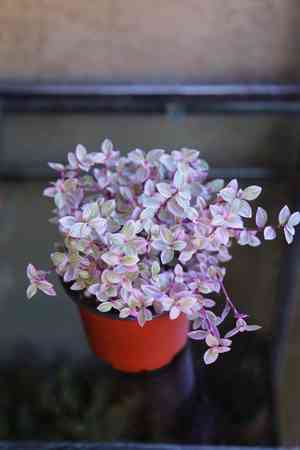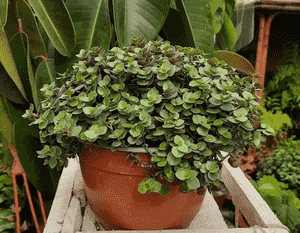
Turtle vine(Callisia repens)

Turtle vine (Callisia repens)

Also known as: Bolivian wandering jew

Turtle vine (Callisia repens), native to Central and South America, is known for its ease of propagation through cuttings and its resilience as an ornamental plant. For optimal growth, it prefers well-draining, slightly acidic soil. A blend of potting mix with added perlite or sand can help achieve the necessary drainage and soil conditions.

Attributes of Turtle vine

Lifespan
Perennial
Plant Type
Vine, Herb
Plant Height
10 cm
Spread
1.2 m
Leaf Color
Green Purple
Flower Size
Approximately 1 cm
Flower Color
White

PlantJoy - Identify plants with a snap

Identify and diagnose plants, get toxicity alerts, and explore safety guides for all types of fungi.

Try for Free

Images of Turtle vine

Turtle vine(Callisia repens)

Quickly Identify Turtle vine

1
Low-growing perennial reaching 4 inches (10 cm) in height and spreading beyond 4 feet (1.2 meters).
2
Distinct dark green upper leaf side with rich purple underneath, leaves around 1 inch (2.5 cm).
3
Small white flowers in clusters, 0.2 inches (5 mm) in diameter, with star-like petal arrangement.
4
Ovate leaves up to 1.6 inches (4 cm) long, 0.8 inches (2 cm) wide, acute tip, rounded base.
5
Hairy leaf margins, bright green color, visible veins, and smooth texture for easy identification.

Scientific Classification of Turtle vine

Phylum
Vascular plants
Class
Monocotyledons
Order
Commelinales
Family
Spiderwort
Genus
Roselings
Species
Turtle vine

Planting and Growing of Turtle vine

Care Difficulty
Easy
Watering Schedule
Every 3 days
Sunlight Requirements
Partial sun
Sunshine Duration
6-8 hours
Ideal Temperature
65-75℉
Soil Type
Potting Mix, Peat Mix
Soil pH
5-8
Fertilizer Type
Balanced
Pruning Season
Spring, Summer
Pruning Area
Branches, Leaves
Pruning Frequency
2 times a year
Repotting Season
Spring
Pot Type
Plastic, Ceramic

water icon How to Water Turtle vine?

Callisia repens, also known as Creeping Inch Plant, requires about 100 ml of water per session. Ensure the soil is damp but not waterlogged. It's important to let the top layer of soil dry out before watering again. This plant prefers slightly moist conditions but does not tolerate standing water.
What are the symptoms of an underwatered Turtle vine?
What should I do if my Turtle vine is not getting enough water?
What are the symptoms of an overwatered Turtle vine?
How to save an overwatered Turtle vine?

sunlight icon What Are the Sunlight Requirements for Turtle vine?

Sunlight Requirements: Partial sun, Full shade
Duration of light: 3 to 5 hours
Partial sun or full shade is ideal. It helps Callisia repens maintain lush, vibrant foliage and supports robust growth by ensuring balanced photosynthesis without stress.
How much sunlight does Callisia repens need?
How can I achieve ideal lighting for Callisia repens?
What benefits does Callisia repens gain from ideal lighting?

temperature icon What Is the Ideal Temperature Range for Turtle vine?

Ideal Temperature: 65 ~ 75℉
Callisia repens thrives best in environments where the temperatures are consistently between 65°F and 75°F. This temperature range is optimal for the physiological processes of the plant, ensuring vigorous growth and promoting healthy foliage. Maintaining this range keeps the plant in its comfort zone, maximizing photosynthesis rates and thereby encouraging lush and vibrant growth.

soil icon What Soil is Best for Turtle vine?

Soil type: Loam, Sandy loam
Soil PH: 5 ~ 8
Callisia repens thrives in well-draining soil that prevents water from accumulating around the roots. This prevents root rot, ensuring a healthy plant with vibrant foliage. This plant benefits from a nutrient-rich substrate that provides essential minerals and supports robust growth. It leads to lush, green leaves and a more resilient plant overall. The soil should be kept moist but never waterlogged to mimic the plant's native conditions. Adequate moisture promotes healthy growth while preventing fungal diseases related to overwatering.

fertilize icon How to Fertilize Turtle vine?

Fertilizer type: Balanced
Callisia repens, also known as creeping inch plant, requires a balanced fertilization approach for optimal growth. For liquid fertilizer, it's best to use a diluted solution, generally half to quarter strength of a balanced 10-10-10 or 20-20-20 formula. A typical dose would be around 1/4 teaspoon per gallon of water, applied evenly across the soil. Over-fertilization can be harmful, so ensure a measured application to maintain healthy foliage and vibrant growth.

prune icon How to Prune Turtle vine?

Pruning Time: Spring, Summer, Autumn, Winter
Begin by identifying the longer, leggy stems that are detracting from the plant's shape. These are often more stretched or lack foliage at their base. Using your fingers or pruning scissors, gently pinch back or trim the stems just above a leaf node. This encourages the plant to branch out at the cut point, resulting in a fuller appearance. Carefully remove any dead or yellowing leaves to improve the plant's appearance and redirect energy towards healthy growth. After pruning, monitor the plant for new growth. Adjust your watering and lighting to accommodate the plant's increased vigor and prevent any potential issues.

propagate icon How to Propagate Turtle vine plant?

Propagate Time: Spring,Early spring
1
Choose a healthy stem with no signs of disease or pest damage. The selected stem should be a few inches long and have multiple leaf nodes. This ensures the cutting is viable and has a better chance of rooting successfully.
2
Using sharp pruning shears, cut below a node on the selected stem. The cut should be clean to prevent damage and reduce the risk of rot. Handle the cutting gently to maintain its health and avoid bruising.
3
Dip the cut end of the stem in rooting hormone and plant it in a well-draining potting mix. Firm the soil around the stem to hold it upright. The pot should be kept in a warm, bright spot away from direct sunlight.

repot icon How to Repot Turtle vine plant?

Repotting frequency: Every 1-2 years
1
Look for signs like roots growing out of drainage holes, slow growth, or compacted soil. These signals indicate the plant is ready for a bigger home, allowing it to thrive and spread its lush vines.
2
Select a pot that is one size larger with drainage holes. This ensures proper soil aeration and prevents waterlogging, which can lead to root rot. The right pot promotes healthy root growth and plant stability.
3
Opt for a well-draining, peat-based potting mix. This ensures excess water flows away from the roots, preventing rot and encouraging healthy nutrient uptake, keeping your Callisia repens vibrant and flourishing.

PlantJoy - Identify plants with a snap

Find the best spots for them to optimize their health, simply using your phone.

Try for Free

Toxicity of Turtle vine

Is Turtle vine toxic to humans?

The turtle vine should be kept far away from the reach of young children. Its sap is not only capable of causing skin rashes, but the plant also contains calcium oxalate crystals. These sharp crystals serve as a protective mechanism for the plant, posing a risk to mucus membranes. If ingested, they can harm and irritate areas such as the mouth, throat, and digestive tract, similar to consuming natural sandpaper. When combined with the irritating sap, this can lead to a series of ailments including swelling of the mouth and throat, nausea, abdominal pain, drooling, vomiting, diarrhea, and potentially exacerbate breathing or swallowing difficulties.

Is Turtle vine toxic to cat?

Turtle vine represents a potential danger to feline health, as it is recognized as toxic to cats. If felines inadvertently consume any component of the plant, particularly its leaves, they risk experiencing poisoning. Interaction with turtle vine can result in signs of physical distress in cats, which may be reflected in a range of unhealthy actions or bodily reactions. It is essential for cat owners to keep a close watch on their pets and restrict their access to turtle vine. Should accidental consumption occur, seeking prompt veterinary care is vital to address the health implications and safeguard the well-being of the impacted cat.

Is Turtle vine toxic to dog?

Turtle vine is regarded as toxic to dogs. If dogs unintentionally eat parts of turtle vine, especially the leaves, they may suffer from poisoning. The manifestations of poisoning in dogs can differ, but may encompass vomiting, diarrhea, lethargy, or even more grave symptoms based on the quantity ingested. It is vital for dog owners to keep a close watch on their pets and restrict their access to turtle vine to prevent any accidental consumption. Should a dog ingest any portion of turtle vine, it is imperative to obtain prompt veterinary assistance to guarantee the most favorable result for the pet.

Identify toxic plants for your safety

Learn which plants are harmful to you and your pets, and make informed choices for a safer home!

Try for Free
WARNING
The judgment on toxicity and danger is for reference only. We DO NOT GUARANTEE any accuracy of such judgment. Therefore, you SHALL NOT rely on such judgment. It is IMPORTANT TO SEEK PROFESSIONAL ADVICE in advance when necessary.