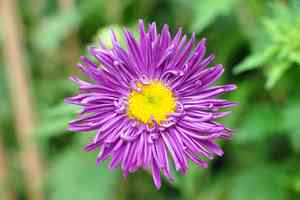
China aster (Callistephus chinensis)
Also known as: Chinese aster, Annual Aster
The China aster, originating from China and Korea, is celebrated for its vibrant flowers, available in hues of pink, purple, red, and white. While it adds a splash of color to gardens, it does require careful attention due to its susceptibility to diseases. Gardeners should monitor for issues and provide optimal growing conditions to ensure the health of the plants.
In This Article
Attributes of China aster
Lifespan
Annual, Perennial
Plant Type
Herb
Plant Height
15 cm to 1 m
Spread
30 cm to 45 cm
Leaf Color
Green
Flower Size
2 cm to 5 cm
Flower Color
White Yellow Pink Purple Red Blue Lavender
Images of China aster

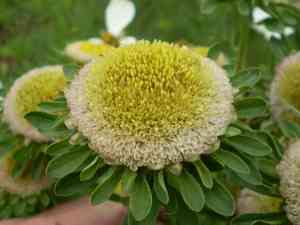
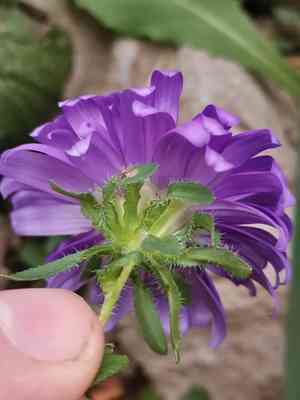
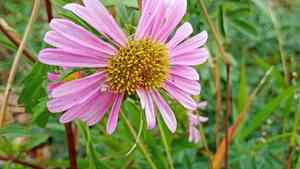
Quickly Identify China aster
1
Vibrant blossoms atop sturdy stems, reaching 2-3 feet (60-90 cm) in height.
2
Flowers with rayed petals in a wide color range, spanning 2-4 inches (5-10 cm).
3
Distinctively rough-textured fruit with purple mottling, fading to gray as it ages.
4
Ovate, toothed leaves measuring 1-2.4 inches (2.5-6 cm) long and 0.8-1.6 inches wide.
5
Erect, unbranched stem, 7-40 inches (18-102 cm) tall, firm and green to purplish-green.
Scientific Classification of China aster
Phylum
Vascular plants
Class
Dicotyledons
Order
Asters bellflowers fanflowers and allies
Family
Daisy
Genus
China aster
Species
China aster
Planting and Growing of China aster
Care Difficulty
Moderate
Watering Schedule
Every 8 days
Sunlight Requirements
Full sun
Sunshine Duration
4-8 hours
Ideal Temperature
60-75℉
Soil Type
Potting Mix, Peat Mix
Soil pH
6.5-7.5
Fertilizer Type
Balanced
Pruning Season
Spring, Summer
Pruning Area
Branches, Leaves
Pruning Frequency
2 times a year
Repotting Season
Spring
Pot Type
Plastic, Ceramic
 How to Water China aster?
For Callistephus chinensis, ensure that the soil remains consistently moist but not waterlogged. You should aim to pour approximately 500 ml of water each time, which allows the roots to absorb adequate moisture without standing water at the base. This plant thrives on a balance, where the soil is kept evenly moist but able to drain effectively, preventing any potential root rot.
More About Watering Techniques→
What are the symptoms of an underwatered China aster?
›
What should I do if my China aster is not getting enough water?
›
What are the symptoms of an overwatered China aster?
›
How to save an overwatered China aster?
›
 What Are the Sunlight Requirements for China aster?
Callistephus chinensis performs best under partial to full sun conditions. This range provides abundant energy for dense and colorful blooms, fostering enzymatic functions necessary for nutrient translocation and metabolic processes vital for plant vigour.
More About Sunlight Requirements Techniques→
Optimal Placement
›
Ensure Sufficient Light
›
Protect from Harsh Conditions
›
 What Is the Ideal Temperature Range for China aster?
The ideal temperature range for growing Callistephus chinensis, commonly known as China Aster, is between 60 and 75 degrees Fahrenheit. This range provides a conducive environment that supports the plant’s photosynthesis, growth, and flowering processes. Maintaining these temperatures helps optimize their aesthetic appeal and health. Temperatures within this range allow the plant to allocate adequate resources towards development and flowering, making it essential for gardeners to monitor and control environmental conditions.
 What Soil is Best for China aster?
Callistephus chinensis thrives in well-drained soil, which allows excess water to escape quickly. This reduces the risk of root rot and other water-related diseases, ensuring the health of the plant. While it's important to have good drainage, maintaining moderate moisture levels in the soil is also crucial. This balance helps prevent dehydration, promoting robust growth and vibrant flowers. Providing fertile soil rich in organic matter is essential for Callistephus chinensis. Nutrient-dense soil supports lush foliage and abundant blooming, resulting in a stunning floral display.
More About Soil→
 How to Fertilize China aster?
Callistephus chinensis benefits from a balanced fertilizer mix. Use a 10-10-10 NPK formula. For liquid fertilizer, mix 1 tablespoon in 1 gallon of water. Adjust the amount based on plant size, ensuring not to exceed this amount to avoid root burn.
More About Fertilizing Techniques→
 How to Prune China aster?
Begin by assessing the plant and look for any dead or diseased stems. Removing these first helps prevent the spread of disease and pest infestations. Cut back to the healthy part of the stem, ideally just above a leaf node to encourage new growth. After removing unhealthy stems, focus on shaping the plant by trimming overstretched or unsightly stems. Aim for a balanced shape, enhancing the plant's appearance while still allowing for good airflow through the foliage. To promote abundant flowering, regularly deadhead (remove) spent blooms. This encourages the plant to produce more flowers rather than expending energy on seed production. Make cuts just above a set of leaves to stimulate new blooms.
More About Pruning Techniques→
 How to Propagate China aster plant?
1
Begin by soaking the seeds of Callistephus chinensis in water for 12 hours to enhance germination rates. This step helps to soften the seed coat and activates the germination process.
2
Sow the seeds in seed trays filled with a well-draining seed-starting mix. Lightly cover them with soil and maintain a consistent temperature of about 21°C (70°F) for optimal germination.
3
For cutting propagation, take cuttings from healthy, non-flowering stems. Each cutting should be about 10 centimeters (4 inches) long with at least two sets of leaves. Remove the leaves from the lower half.
 How to Repot China aster plant?
1
Callistephus chinensis, commonly known as the Chinese aster, should be repotted when its roots are visible through the drainage holes, or if growth is stunted or overcrowded. The best time to repot is early spring or autumn when the plant is not in active bloom. These seasons provide optimal conditions for the plant to settle into its new pot without stress.
2
Select a pot that is one size larger than the current one, ideally with good drainage holes. A slightly larger pot prevents excessive moisture that could lead to root rot, offering enough space for root expansion while maintaining healthy drainage. A ceramic or terracotta pot is preferable as it allows airflow and temperature modulation.
3
A well-draining potting mix is crucial for Callistephus chinensis to prevent root rot and ensure healthy growth. Incorporating perlite or sand into regular potting soil enhances drainage capacity. This mix maintains soil aeration and ensures roots receive adequate oxygen, promoting robust and vibrant blooming.
Learn More About China aster Diseases
Anthracnose
Bacterial Leaf Spot
Bacterial Soft Rot
Bacterial Wilt
Chemical Injury
Crown Gall
Cyst Nematode
Damping-off
Downy Mildew
Drought Stress
Fusarium Wilt
Gray Mold
Leaf Spot
Mosaic
Nutrient Deficiency
Nutrient Toxicity
Powdery Mildew
Root Rot
Root-knot Nematode
Rusts
Sooty Mold
Spider Mites
Temperature Stress
Thrips Damage
White Mold



