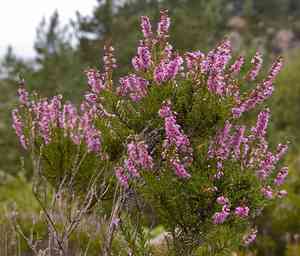
Scotch heather (Calluna vulgaris)
Also known as: Winter Heather, Irish Heath, Common heather, Summer heather, Autumn heather
Scotch heather (Calluna vulgaris) is a hardy, evergreen shrub known for its abundant rose-pink to purplish-pink bell-shaped flowers that bloom in late summer. Ideal for rock gardens, borders, or ground cover, this low-maintenance plant flourishes in well-drained, acidic soil. It grows best in full sun but can also tolerate partial shade, reaching heights of 30 to 61 cm.
In This Article
Attributes of Scotch heather
Lifespan
Perennial
Plant Type
Shrub
Plant Height
20 cm to 50 cm
Spread
30 cm to 60 cm
Leaf Color
Green Yellow Gray Red Orange
Flower Size
2.5 cm
Flower Color
Pink White Purple Red Orange Violet
Images of Scotch heather

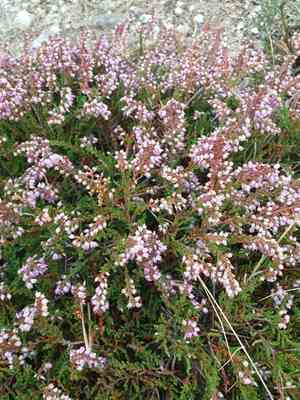
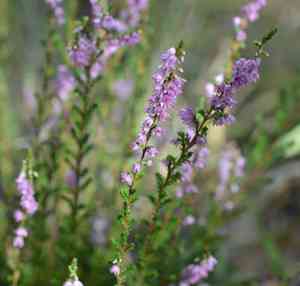
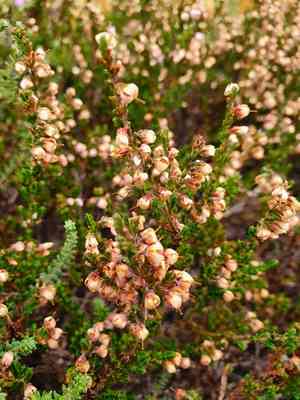
Quickly Identify Scotch heather
1
Needle-like leaves in dense clusters
2
Purple to pink bell-shaped flowers
3
Low spreading growth habit up to 2 feet (60 cm) wide and 1 foot (30 cm) tall
4
Evergreen foliage turning bronze in colder climates
5
Opposite arrangement of 4 tiny, needle-like leaves
Scientific Classification of Scotch heather
Phylum
Vascular plants
Class
Dicotyledons
Order
Ericales
Family
Heath
Genus
Heather
Species
Scotch heather
Planting and Growing of Scotch heather
Care Difficulty
Easy
Watering Schedule
Every 4 days
Sunlight Requirements
Full sun
Sunshine Duration
6-12 hours
Ideal Temperature
50-70℉
Soil Type
Potting Mix, Peat Mix
Soil pH
4.5-6
Fertilizer Type
Balanced
Pruning Season
Spring, Summer
Pruning Area
Branches, Leaves
Pruning Frequency
2 times a year
Repotting Season
Spring
Pot Type
Terracotta, Plastic
 How to Water Scotch heather?
Calluna vulgaris prefers soil that is consistently moist but never waterlogged. Ideally, water the plant until the top inch of the soil is damp but avoid pooling at the base. Approximately 250 ml should suffice for an average-sized plant each session, ensuring the soil is uniformly wet.
More About Watering Techniques→
What are the symptoms of an underwatered Scotch heather?
›
What should I do if my Scotch heather is not getting enough water?
›
What are the symptoms of an overwatered Scotch heather?
›
How to save an overwatered Scotch heather?
›
 What Are the Sunlight Requirements for Scotch heather?
Calluna vulgaris thrives best with a blend of full sun to partial sun exposure. These conditions facilitate the plant's maximum photosynthetic potential, helping to maintain vigorous growth, abundant flowering, and interlinked health benefits like increased disease resistance.
More About Sunlight Requirements Techniques→
How to Achieve Ideal Light for Calluna vulgaris?
›
What are Practical Measures to Ensure Adequate Lighting?
›
What Benefits Will Ideal Lighting Provide?
›
 What Is the Ideal Temperature Range for Scotch heather?
The ideal temperature range for growing Calluna vulgaris, commonly known as heather, lies between 50°F and 70°F. This range is optimal as it mimics the temperatures of its native environments. The plant prefers the nuanced conditions of cooler climates with mild summer temperatures, which allow it to grow robustly without the stress of excessive heat.
 What Soil is Best for Scotch heather?
Calluna vulgaris thrives in acidic soils with a pH between 4.5 and 6. This acidity is crucial as it allows the plant to absorb essential nutrients such as iron and magnesium efficiently, promoting healthy growth and vibrant blooms. The plant requires well-drained soil to prevent root rot and other moisture-related problems. Sandy and peat soils are ideal due to their excellent drainage properties, ensuring that the roots are never waterlogged while retaining enough moisture for healthy growth. A nutrient-rich substrate with plenty of organic matter supports the growth and vitality of Calluna vulgaris. By incorporating compost or organic fertilizers, gardeners can enhance soil fertility, providing a steady supply of nutrients that encourage robust foliage and prolonged flowering.
More About Soil→
 How to Fertilize Scotch heather?
When fertilizing Calluna vulgaris, use light amounts as they are sensitive to high nutrient levels. Begin with half the recommended dose on the fertilizer package, approximately 1 teaspoon per month for liquid fertilizers. Solid fertilizers should equally be applied sparingly, aiming for about 50 grams per square meter annually.
More About Fertilizing Techniques→
 How to Prune Scotch heather?
In early spring, before new growth begins, cut back the previous year's growth by about one-third. This encourages healthy, vigorous new growth. Avoid cutting back into the brown, woody stems to ensure successful regrowth. After flowering in late autumn, lightly prune to retain the desired shape. This involves trimming off spent flowers and tidying up the overall appearance of your Calluna vulgaris.
More About Pruning Techniques→
 How to Propagate Scotch heather plant?
1
Harvest seeds from mature Calluna vulgaris plants in the late autumn when the seed pods have dried out. Place them in a paper bag to continue drying for another few weeks, which is crucial for ensuring viability during planting.
2
Select healthy, non-flowering shoots and cut off sections approximately 10 cm long. Remove the lower leaves carefully to expose the nodes, which are essential points for root development. Dip the cut end in rooting hormone to encourage faster root growth.
3
Choose a low-growing, flexible branch and bend it to touch the ground. Make a shallow scrape in the bark where the branch contacts the soil to promote rooting. Secure it in place with a wire or peg and cover it with soil while leaving the tip exposed.
 How to Repot Scotch heather plant?
1
For Calluna vulgaris, look for signs like roots coming out of the drainage holes or soil that dries very quickly. These signs indicate that the plant needs a larger space to grow and that repotting is necessary to accommodate its growth.
2
Choose a pot that is slightly larger than the current one, preferably with good drainage holes. This helps in preventing waterlogging and promotes healthy root growth by ensuring excess water can escape, which is crucial for plant health.
3
An acidic, well-draining soil is ideal for Calluna vulgaris. This soil type prevents root rot and supports the plant's nutrient needs. The acidity helps mimic its natural habitat, promoting robust growth and vibrant blooms.



