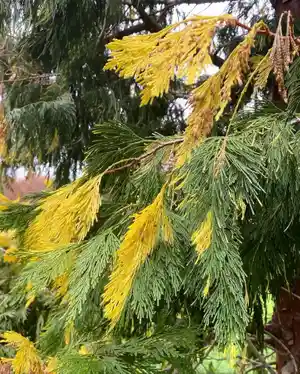
Incense cedar (Calocedrus decurrens)
Also known as: Incense Cedar, California Incense Cedar
The Incense Cedar (Calocedrus decurrens) is a tree native to the far western United States and northern Baja California. Its wood is widely used in the production of pencils. Historically, Native Americans utilized this tree for crafting bows, baskets, and various building materials.
In This Article
Attributes of Incense cedar
Lifespan
Perennial
Plant Type
Tree
Plant Height
9 m to 21 m
Spread
2.5 m to 3.5 m
Leaf Color
Green Yellow
Flower Size
2.5 cm
Flower Color
Yellow Green Red Brown
Images of Incense cedar
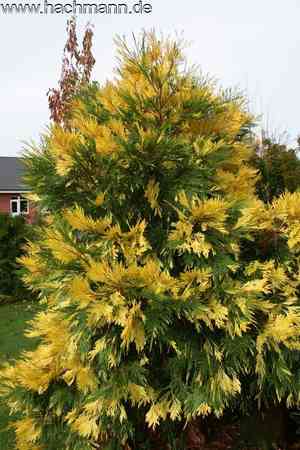
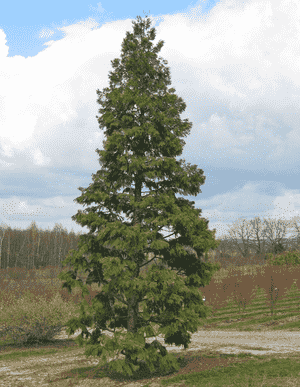
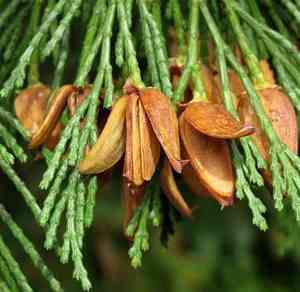
Quickly Identify Incense cedar
1
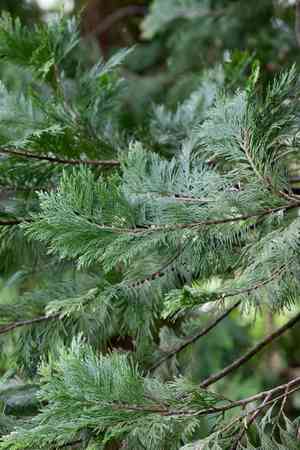
Dense foliage in fan-like sprays at branch ends
2
Female cones with 6 paired scales, resembling duck bills
3
Distinctive reddish-brown, woody fruit cones with 4 seeds
4
Shiny, dark green scale-like leaves, smooth and veinless
5
Thick, furrowed bark that exfoliates into narrow strips
Scientific Classification of Incense cedar
Phylum
Vascular plants
Class
Conifers
Order
Pinales
Family
Cypress
Genus
Incense cedars
Species
Incense cedar
Planting and Growing of Incense cedar
Care Difficulty
Easy
Watering Schedule
Every 2 days
Sunlight Requirements
Full sun
Sunshine Duration
4-8 hours
Ideal Temperature
60-75℉
Soil Type
Potting Mix, Peat Mix
Soil pH
6.5-7.5
Fertilizer Type
Balanced
Pruning Season
Spring, Summer
Pruning Area
Branches, Leaves
Pruning Frequency
2 times a year
Repotting Season
Spring
Pot Type
Plastic, Ceramic
 How to Water Incense cedar?
Calocedrus decurrens prefers deep watering that penetrates about 15-20 cm into the soil. The goal is to achieve a moist but not soggy environment that mimics its natural habitat. A good rule of thumb is to water until the soil is moist to touch but not waterlogged.
More About Watering Techniques→
What are the symptoms of an underwatered Incense cedar?
›
What should I do if my Incense cedar is not getting enough water?
›
What are the symptoms of an overwatered Incense cedar?
›
How to save an overwatered Incense cedar?
›
 What Are the Sunlight Requirements for Incense cedar?
Calocedrus decurrens thrives best in partial to full sunlight. This ideal light access supports photosynthetic activity, encouraging robust health, growth, and the production of aromatic compounds characteristic of healthy foliage.
More About Sunlight Requirements Techniques→
What type of sunlight does Calocedrus decurrens prefer?
›
How can I achieve the ideal sunlight conditions for incense cedar?
›
What are the benefits of optimal sunlight for this plant?
›
 What Is the Ideal Temperature Range for Incense cedar?
Calocedrus decurrens thrives best in a temperature range between 60°F and 75°F. This range provides the best conditions for optimal growth and development, allowing the plant to maintain its vigor and resilience. In this temperature bracket, the metabolic processes of the plant function efficiently, facilitating photosynthesis and nutrient uptake. Ensuring that the plant is kept within this ideal range minimizes stress and promotes lush, healthy foliage.
 What Soil is Best for Incense cedar?
Calocedrus decurrens thrives in well-drained soils that prevent waterlogging and root rot. A well-drained soil structure ensures the roots have access to air and reduces the risk of fungal infections, promoting healthy growth. While drainage is crucial, this plant also benefits from soil that retains adequate moisture. This balance prevents the plant from experiencing drought stress, particularly during dry spells, supporting its lush foliage. A nutrient-rich soil enhances the growth and vigor of Calocedrus decurrens. The presence of essential nutrients supports the plant's metabolic processes, resulting in robust health and resistance to diseases.
More About Soil→
 How to Fertilize Incense cedar?
Calocedrus decurrens, commonly known as the incense cedar, requires careful fertilization. For liquid fertilizers, mix at a rate of 1 tablespoon per gallon of water per application. Slow-release fertilizers should be used at 1.5 pounds per 100 square feet annually to encourage healthy growth and prevent nutrient deficiencies.
 How to Prune Incense cedar?
Begin with a thorough inspection of the tree to identify any dead or diseased branches. Plan your cuts to ensure you maintain the tree’s health and appearance. Start by removing dead or damaged branches first. Make precise cuts close to the trunk without cutting into the branch collar. This promotes proper healing and reduces disease risk. After removing problem branches, step back and assess the overall shape. Trim lightweight overgrowth to maintain a balanced appearance but avoid over-pruning, which can stress the tree.
More About Pruning Techniques→
 How to Propagate Incense cedar plant?
1
Calocedrus decurrens seeds require stratification, a process of cold treatment, to break dormancy. Place them in a moist medium and refrigerate for several weeks before planting.
2
Select healthy branches for cuttings, ideally around 4-6 inches long. Make clean cuts and remove the lower leaves to reduce water loss and help the rooting process.
3
To enhance root development for cuttings, dip the base of each cutting in a rooting hormone before planting them in a suitable medium.
 How to Repot Incense cedar plant?
1
Calocedrus decurrens should be repotted when roots start circling the pot or growing out of the drainage holes. Additionally, slow growth and less vibrant foliage can indicate it's time to repot. The best seasons for repotting are spring and early summer, when the plant is in its growth phase.
2
Select a pot that is slightly larger than the current one, with enough drainage holes to prevent waterlogging. A well-sized pot allows roots to expand slightly, promoting better growth. Ensure the pot is durable enough to support the mature size of the plant.
3
For Calocedrus decurrens, use a well-draining soil blend, such as a mix of peat, perlite, and pine bark. This composition ensures adequate aeration and drainage, preventing root rot while retaining enough moisture for the plant's needs.



