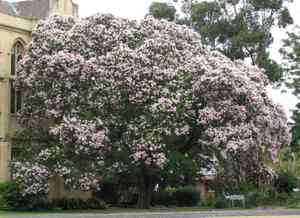
Cape chestnut (Calodendrum capense)
Also known as: Cape Chestnut
The cape chestnut, despite its name, is not actually a chestnut. Colonial botanists mistook it for a type of chestnut because its striking flowers resemble those of the horse chestnut tree. Native to Africa, Calodendrum capense has become popular in natural skincare. The oil extracted from its seeds is commonly used in making soaps, lotions, and various cosmetics.
In This Article
Attributes of Cape chestnut
Lifespan
Perennial
Plant Type
Tree
Plant Height
20 m
Spread
10 m
Leaf Color
Green
Flower Size
20 cm
Flower Color
Pink White Mauve
Images of Cape chestnut
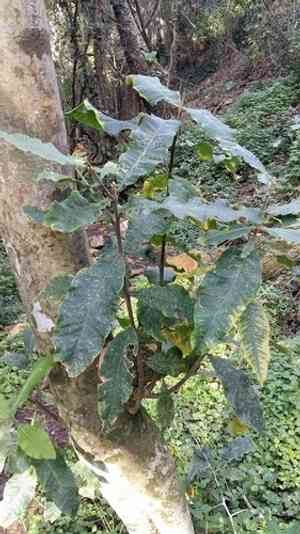

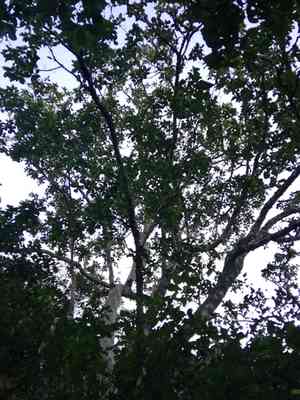
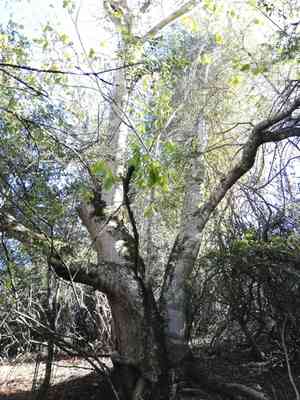
Quickly Identify Cape chestnut
1
Showy spikes of pink flowers in terminal panicles
2
Lush green leaves serving as backdrop to flowers
3
Grows up to 30-40 feet (9-12 meters) in height
4
Requires full sun and regular summer watering
5
Thrives in temperatures above 25-30°F (-3.9 to -1.1°C)
Scientific Classification of Cape chestnut
Phylum
Vascular plants
Class
Dicotyledons
Order
Sapindales
Family
Rue
Genus
African chestnuts
Species
Cape chestnut
Planting and Growing of Cape chestnut
Care Difficulty
Easy
Watering Schedule
Every 4 days
Sunlight Requirements
Full sun
Sunshine Duration
6-10 hours
Ideal Temperature
60-77℉
Soil Type
Potting Mix, Peat Mix
Soil pH
6.5-7.5
Fertilizer Type
Balanced
Pruning Season
Spring, Summer
Pruning Area
Branches, Leaves
Pruning Frequency
2 times a year
Repotting Season
Spring
Pot Type
Plastic, Ceramic
 How to Water Cape chestnut?
Calodendrum capense, commonly known as the Cape Chestnut, thrives best when its water needs are meticulously met. Aim to deep soak the soil to about 500 ml of water per watering, ensuring that the entire root system is nourished. This principle prevents dry patches and allows for even moisture distribution which is crucial for its growth.
What are the symptoms of an underwatered Cape chestnut?
›
What should I do if my Cape chestnut is not getting enough water?
›
What are the symptoms of an overwatered Cape chestnut?
›
How to save an overwatered Cape chestnut?
›
 What Are the Sunlight Requirements for Cape chestnut?
Calodendrum capense prefers full to partial sun conditions, allowing it to exhibit lush growth and beautiful blooms by soaking up adequate sunlight.
More About Sunlight Requirements Techniques→
What type of sunlight is best for Calodendrum capense?
›
How can I ensure my Calodendrum capense gets ideal sunlight?
›
What are the benefits of ideal lighting for Calodendrum capense?
›
 What Is the Ideal Temperature Range for Cape chestnut?
Calodendrum capense thrives best in climates where the temperature ranges between 60°F and 77°F. This range supports optimal physiological processes and facilitates healthy growth. Maintaining this temperature is crucial as it mimics the plant's natural habitat, providing balanced growth conditions without causing stress to the plant.
 What Soil is Best for Cape chestnut?
Calodendrum capense thrives in soil that is rich in organic matter. Such soil provides the necessary nutrients, fostering healthy growth and vibrant blossoms. Regular addition of compost or well-rotted manure can support this requirement. Ensuring well-drained soil is crucial to prevent root rot in Calodendrum capense. Loam or sandy loam is ideal as these types promote adequate drainage, allowing excess water to escape while retaining sufficient moisture for the roots. While good drainage is essential, maintaining some moisture in the soil helps keep Calodendrum capense hydrated. Mulching around the base can help retain moisture, reducing the need for frequent watering and protecting the plant during dry periods.
 How to Fertilize Cape chestnut?
When fertilizing Calodendrum capense, it's best to use a balanced formula, such as a 10-10-10 NPK ratio. For liquid fertilizers, dilute to half the recommended strength. One tablespoon per gallon of water is typically sufficient for liquid applications. For slow-release granules, one pound per 100 square feet is ideal since the tree is moderate in nutrient needs.
 How to Prune Cape chestnut?
Before you start pruning, inspect the tree thoroughly. Look for dead, diseased, or crossing branches as these should be removed first to enhance air circulation and sunlight penetration. When pruning, focus on improving the tree structure. Trim back long, unwieldy branches to promote a balanced shape. Remove branches that grow inward or cross over others to maintain the natural form of the tree. Cut back the shoots just above a leaf node or bud to stimulate new growth. This encourages the tree to develop new leaves and branches, enhancing its overall health and appearance.
More About Pruning Techniques→
 How to Propagate Cape chestnut plant?
1
Collect seeds from mature Calodendrum capense fruit that have dried naturally. Ensure seeds are free from pests or diseases by observing their color and shape.
2
Place seeds on the surface of the seed tray filled with well-draining potting mix. Lightly cover them with a thin layer of soil, ensuring they are not buried too deep.
3
Gently water the seeds using a fine spray to maintain consistent moisture without disturbing the soil. Adequate moisture is key to successful seed germination.
 How to Repot Cape chestnut plant?
1
Observe for signs like slowed growth, roots growing through drainage holes, or soil that dries out quickly after watering. These are clear indicators that Calodendrum capense is ready for a new pot. Spring and summer are the optimal times as the plant is actively growing, allowing it to recover quickly.
2
Opt for a pot that is only slightly larger than the current one. This prevents over-potting, which can lead to water retention issues. Ensure the pot has adequate drainage holes. A potting container that breathes well helps maintain healthy root systems by providing good airflow and preventing root rot.
3
Calodendrum capense prefers a well-draining potting mix. Ideally, a blend containing peat, perlite, and compost gives the perfect balance of nutrients and aeration. Proper soil mix ensures the roots stay healthy, discouraging conditions that could lead to waterlogged soil and root diseases.
Learn More About Cape chestnut Diseases
Anthracnose
Bacterial Leaf Spot
Black Spot
Chemical Injury
Crown Gall
Damping-off
Downy Mildew
Drought Stress
Fusarium Wilt
Gray Mold
Leaf Curl
Leaf Spot
Mosaic
Nutrient Deficiency
Nutrient Toxicity
Powdery Mildew
Root Rot
Root-knot Nematode
Rusts
Sooty Mold
Spider Mites
Temperature Stress
Thrips Damage
White Mold



