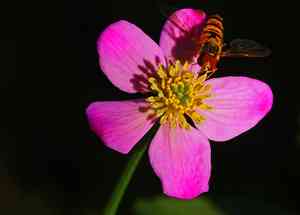
Yellow marsh marigold (Caltha palustris)
Also known as: Marsh marigold, May blob, Molly-blob, Boots, Bull flower, Crowfoot, Yellow gowan
The yellow marsh marigold (Caltha palustris) is a perennial wildflower that reaches heights of 30 to 91 cm. Known for its vibrant yellow, buttercup-like flowers, it blooms from spring to summer. This plant thrives in wet environments such as marshes, along streambanks, and in soggy meadows. It attracts pollinators like bees and butterflies and is also favored by grazing livestock. After flowering, its seeds can be harvested for propagation in other suitable wet areas.
Attributes of Yellow marsh marigold
Images of Yellow marsh marigold
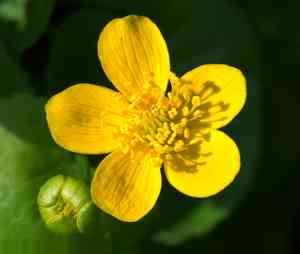
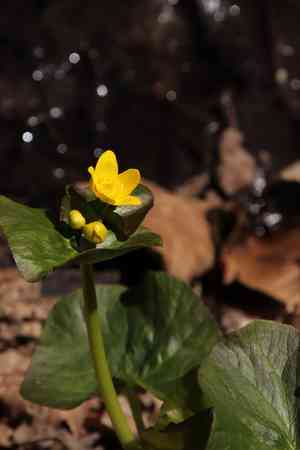
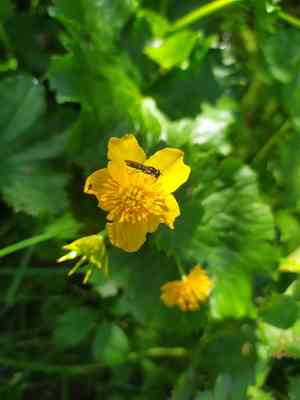
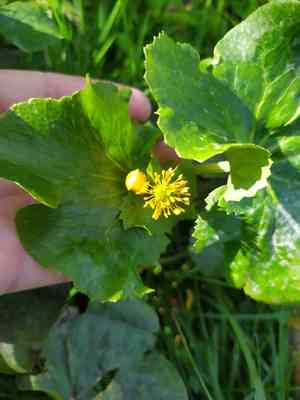
Quickly Identify Yellow marsh marigold
Scientific Classification of Yellow marsh marigold
Planting and Growing of Yellow marsh marigold
 How to Water Yellow marsh marigold?
 What Are the Sunlight Requirements for Yellow marsh marigold?
 What Is the Ideal Temperature Range for Yellow marsh marigold?
 What Soil is Best for Yellow marsh marigold?
 How to Fertilize Yellow marsh marigold?
 How to Prune Yellow marsh marigold?
 How to Propagate Yellow marsh marigold plant?
 How to Repot Yellow marsh marigold plant?
Toxicity of Yellow marsh marigold
Is Yellow marsh marigold toxic to humans?
The yellow marsh marigold possesses toxicity for humans upon ingestion, with its toxicity increasing as the plant matures. Each part of the plant (especially the leaves and older sections) harbors protoanemonin, which can lead to moderate illness in humans. Signs of yellow marsh marigold poisoning may include throat burning, vomiting, sanguineous diarrhea, dizziness, fainting spells, and convulsions. It is advisable to handle this plant with caution, as its sap can irritate sensitive skin. Exercise care when walking or hiking through marshy areas and wetlands, as these are its natural habitats.
Is Yellow marsh marigold toxic to cat?
Yellow marsh marigold presents a serious toxicity hazard for cats. If felines accidentally ingest any part of this plant, they might suffer from negative health effects. After consuming yellow marsh marigold, cats can show signs of physical distress or illness, requiring urgent veterinary intervention. Every part of the yellow marsh marigold is toxic, underscoring the importance of vigilance to keep cats away from any segment of the plant. Should poisoning be suspected, it is crucial to rush the cat to a veterinary clinic without delay for appropriate treatment and care.
Is Yellow marsh marigold toxic to dog?
The yellow marsh marigold is recognized as toxic to dogs. This plant poses a poisoning risk if a dog ingests any of its parts, as all components are known to possess toxic characteristics. When a dog consumes yellow marsh marigold, it may display signs such as gastrointestinal distress, vomiting, diarrhea, and potentially more severe reactions, which depend on the quantity ingested. Given the risks linked to yellow marsh marigold, dog owners should be proactive in shielding their pets from contact with or consumption of this plant. Should a dog consume yellow marsh marigold, it is crucial to seek immediate veterinary assistance to ensure the best possible outcome for the animal.



