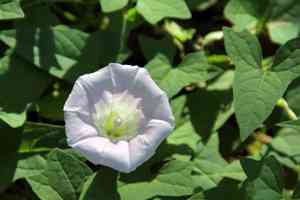
Hedge bindweed (Calystegia sepium)
Also known as: Bellbind
Bindweed, a relative of the Morning Glory, features trumpet-shaped flowers that grow in a slightly different manner. Often viewed as a weed, it tends to spread aggressively and can smother other plants. Despite its invasive nature, the flowers are quite attractive. In the UK, children sometimes play a game where they pop the flowers off the vine.
Attributes of Hedge bindweed
Images of Hedge bindweed
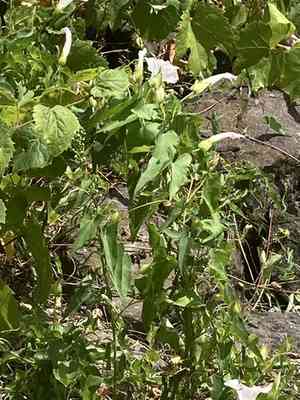
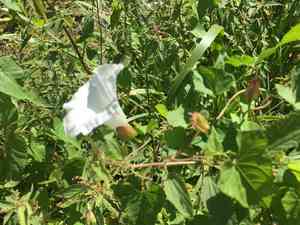
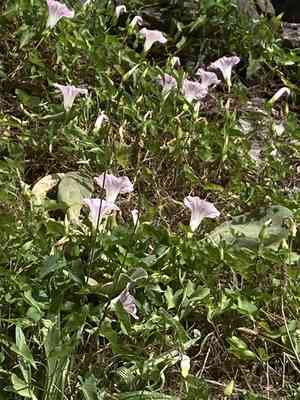
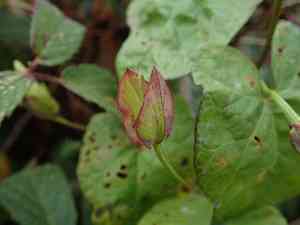
Quickly Identify Hedge bindweed
Scientific Classification of Hedge bindweed
Planting and Growing of Hedge bindweed
 How to Water Hedge bindweed?
 What Are the Sunlight Requirements for Hedge bindweed?
 What Is the Ideal Temperature Range for Hedge bindweed?
 What Soil is Best for Hedge bindweed?
 How to Fertilize Hedge bindweed?
 How to Prune Hedge bindweed?
 How to Propagate Hedge bindweed plant?
 How to Repot Hedge bindweed plant?
Toxicity of Hedge bindweed
Is Hedge bindweed toxic to cat?
Cats can suffer from physical distress if they consume the seeds of hedge bindweed, a plant recognized for its toxicity. The primary method by which cats encounter the harmful effects of hedge bindweed is through unintentional consumption, which often happens during outdoor exploration or direct contact with the seeds of the plant. It is essential for cat owners to be informed about the risk of poisoning and to keep a vigilant eye on their pets for any signs of illness. If a cat exhibits any unusual behavior or physical symptoms, it is crucial to seek prompt veterinary assistance to ensure the optimal health outcome for the animal.
Is Hedge bindweed toxic to dog?
Hedge bindweed is known to be toxic to dogs. If they accidentally consume this plant, dogs can experience poisoning. The primary way dogs come into contact with hedge bindweed is by ingesting its seeds, which are the plant's poisonous component. Once a dog has ingested hedge bindweed, it may show symptoms like vomiting, diarrhea, lethargy, or abdominal discomfort. It is essential for dog owners to keep a close watch on their pets and restrict their access to areas where hedge bindweed thrives. Should a dog consume any portion of hedge bindweed, particularly the seeds, it is crucial to seek prompt veterinary attention to ensure the best possible care for the animal.



