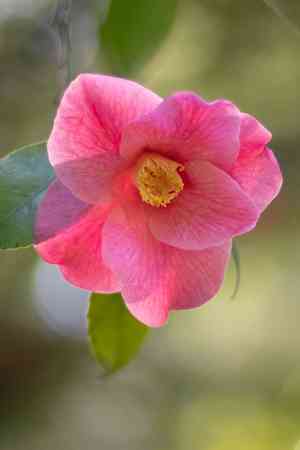
Japanese camellia (Camellia japonica)
Also known as: Rose of winter
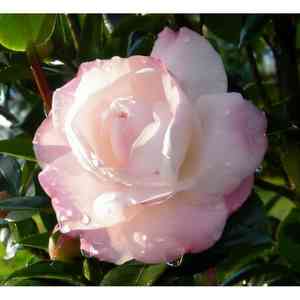
The Camellia, originating from Japan, is a shrub or small tree known for its glossy green leaves and striking flowers that come in white, pink, or red. This ornamental plant has gained global popularity and is notably the official state flower of Alabama. In Chinese culture, the Camellia symbolizes good luck and is commonly featured in New Year's festivities.
In This Article
Plant Comprehensive Care Guide: Beginner's Introduction and Key Details
Perfect for beginners starting their plant care journey
→
10 Secrets to Making Japanese camellia Grow Faster (A Must-Read for Beginners)
Advanced tips to accelerate your plant's growth
→
Care "Black Tech": 10 Little-Known Highly Effective Maintenance Tips
Expert-level techniques for optimal plant care
→
Attributes of Japanese camellia
Lifespan
Perennial
Plant Type
Shrub
Plant Height
1.5 m to 15 m
Spread
1.8 m to 3 m
Leaf Color
Green
Flower Size
3 cm to 10 cm
Flower Color
Red White Pink Cream Yellow
Images of Japanese camellia
Quickly Identify Japanese camellia
1
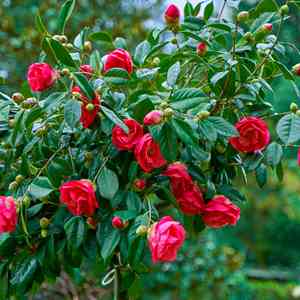
Glossy, leathery leaves measuring 2-3 inches (5-7.6 cm) with finely serrated edges.
2
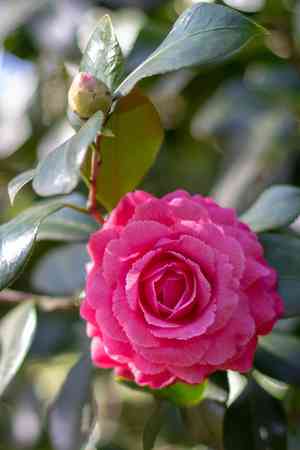
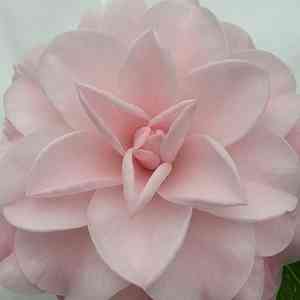
Prominent, axillary double flowers 3-5 inches (7.6-12.7 cm) in diameter, blooming in late winter to early spring.
3
Woody capsule fruit around 1 inch (2.54 cm) in length, changing color upon maturity.
4
Dark brown stem with blackish lenticels, crescent-shaped leaf scars, and coarse texture.
5
Alternate, simple leaves 2-4 inches (5-10 cm) long, with ovate to elliptic shape and serrated margins.
Scientific Classification of Japanese camellia
Phylum
Vascular plants
Class
Dicotyledons
Order
Heathers and allies
Family
Tea
Genus
Camellias
Species
Japanese camellia
Planting and Growing of Japanese camellia
Care Difficulty
Moderate
Watering Schedule
Every 4 days
Sunlight Requirements
Partial sun
Sunshine Duration
6-10 hours
Ideal Temperature
60-70℉
Soil Type
Potting Mix, Peat Mix
Soil pH
5.5-6.5
Fertilizer Type
Balanced
Pruning Season
Spring, Summer
Pruning Area
Branches, Leaves
Pruning Frequency
2 times a year
Repotting Season
Spring
Pot Type
Plastic, Ceramic
 How to Water Japanese camellia?
The Camellia japonica loves moisture, but not too much! A classic gardening tip is to water until the soil feels moist down to a depth of about two inches. Remember, moderation is key here, so opt for approximately 500ml of water each time.
More About Watering Techniques→
What are the symptoms of an underwatered Japanese camellia?
›
What should I do if my Japanese camellia is not getting enough water?
›
What are the symptoms of an overwatered Japanese camellia?
›
How to save an overwatered Japanese camellia?
›
 What Are the Sunlight Requirements for Japanese camellia?
Partial sun suits Camellia japonica best, delivering 4-6 hours of light daily. This promotes lush growth and a high rate of flower productivity while preventing damage from intense sunlight.
More About Sunlight Requirements Techniques→
What is the ideal location for Camellia japonica?
›
How can I adjust the light exposure for Camellia japonica?
›
What benefits does Camellia japonica receive from ideal lighting?
›
 What Is the Ideal Temperature Range for Japanese camellia?
The ideal temperature range for Camellia japonica is between 60°F to 70°F. This range provides the plant with an optimal environment for growth and blooming. The moderate temperatures ensure that the plant does not face thermal stress, which could otherwise enhance susceptibility to pest infestations or diseases.
 What Soil is Best for Japanese camellia?
Camellia japonica thrives in well-draining soils, ensuring that its roots do not rot in waterlogged conditions. This promotes healthy root growth and prevents diseases, ensuring the plant maintains lush foliage and blooms vibrantly. This plant prefers slightly acidic soil with a pH range of 5.5 to 6.5. Acidic conditions optimize nutrient uptake, particularly iron, which is crucial for the plant's photosynthesis and healthy leaf development. While good drainage is essential, Camellia japonica also benefits from soil that can retain moisture without becoming soggy. This balance prevents drought stress and encourages consistent flowering.
More About Soil→
 How to Fertilize Japanese camellia?
Camellia japonica requires a moderate amount of fertilizer. Use a balanced fertilizer with equal proportions of nitrogen, phosphorus, and potassium. During the active growing season which includes spring and early summer, provide around 1 tablespoon of 10-10-10 fertilizer per square foot. Ensure the soil is moist to prevent any potential root burn.
More About Fertilizing Techniques→
 How to Prune Japanese camellia?
To prune Camellia japonica, start by examining the plant for dead, diseased, or crossing branches. Use clean, sharp pruning shears to make cuts just above a leaf node at a 45-degree angle. This will promote new growth and help the plant maintain an open structure for better air circulation. Trim the camellia to your desired shape by cutting back overly long shoots and thinning out crowded areas. Ensure to maintain a natural form by avoiding harsh cuts and instead making gradual reductions, which will enhance the plant's overall aesthetic appeal.
More About Pruning Techniques→
 How to Propagate Japanese camellia plant?
1
Use sharp pruning shears to cut a healthy branch about 4-6 inches long. Remove leaves from the lower half. Applying rooting hormone to the cut end can increase root development.
2
Insert the treated end of the cutting into a pot with a moist, sterile rooting medium, such as a mix of sand and peat moss. Ensure it's secured firmly to promote root stability.
3
Cover the pot with a clear plastic bag to maintain high humidity. This mimics greenhouse conditions, reducing evaporation and helping the cutting stay hydrated until roots develop.
 How to Repot Japanese camellia plant?
1
The best indicators for repotting Camellia japonica are when you see roots coming out of the drainage holes or the plant seems to have stopped growing. Additionally, if the plant's soil appears compacted or the water drains too quickly or slowly, it might be time to consider repotting. Choosing the right timing helps the plant recuperate quickly, ensuring continued growth and bloom.
2
Select a pot that is one to two inches larger in diameter than the current one. Ensure it has adequate drainage holes to prevent waterlogging, which can lead to root rot. A pot made of breathable material like clay or terracotta is ideal because it aids in moisture balance, keeping the roots healthy and well-aerated.
3
Opt for an acidic, well-draining, and humus-rich soil mix, ideally one that's formulated for acid-loving plants. This type of soil ensures that nutrients are readily available while preventing waterlogged roots. It also supports the plant's natural preference for slightly acidic conditions, promoting vibrant blooms.



