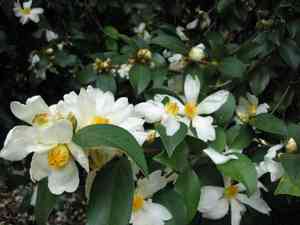
Tea-oil camellia (Camellia oleifera)
Also known as: Sasanqua camellia, Oil-seed camellia
A plant species frequently utilized for producing an oil with a composition akin to olive oil is rapeseed (*Brassica napus*). The oil derived from rapeseed, known as rapeseed oil or canola oil, shares similar properties with olive oil and finds applications in cooking, soap making, and textile manufacturing.
In This Article
Attributes of Tea-oil camellia
Lifespan
Perennial
Plant Type
Shrub
Plant Height
1 m to 8 m
Spread
3 m to 3.5 m
Leaf Color
Green
Flower Size
2.5 cm to 8 cm
Flower Color
White Pink
Images of Tea-oil camellia
Quickly Identify Tea-oil camellia
1
Leaves: Dark green, glossy, simple, 1-3 inches (2.5-7.6 cm) long, leathery texture, pinnate venation.
2
Flowers: Large, 2-5 inches (5-12 cm) in diameter, white to pink shades, yellow stamens cluster.
3
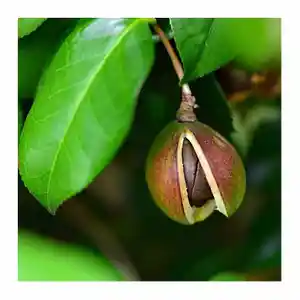
Fruit: Woody capsule, 1 inch (2.54 cm) long, rough texture, dehisces along distinct lines.
4
Bark: Cinnamon-colored, smooth texture, slight flaking pattern, distinctive visual appeal, thick trunks.
5
Fragrance: Flowers emit a pleasant scent, enhancing the visual allure of the plant.
Scientific Classification of Tea-oil camellia
Phylum
Vascular plants
Class
Dicotyledons
Order
Heathers and allies
Family
Tea
Genus
Camellias
Species
Tea-oil camellia
Planting and Growing of Tea-oil camellia
Care Difficulty
Easy
Watering Schedule
Every 3 days
Sunlight Requirements
Partial sun
Sunshine Duration
6-10 hours
Ideal Temperature
60-75℉
Soil Type
Potting Mix, Peat Mix
Soil pH
6-6.5
Fertilizer Type
Balanced
Pruning Season
Spring, Summer
Pruning Area
Branches, Leaves
Pruning Frequency
2 times a year
Repotting Season
Spring
Pot Type
Plastic, Ceramic
 How to Water Tea-oil camellia?
Camellia oleifera, or tea-oil camellia, thrives with an adequate water supply that's consistent yet not excessive. One should aim to keep the soil moderately moist. Watering should be such that the soil is moist but not soggy. Ideally, water when the top inch of soil feels dry.
More About Watering Techniques→
What are the symptoms of an underwatered Tea-oil camellia?
›
What should I do if my Tea-oil camellia is not getting enough water?
›
What are the symptoms of an overwatered Tea-oil camellia?
›
How to save an overwatered Tea-oil camellia?
›
 What Are the Sunlight Requirements for Tea-oil camellia?
Camellia oleifera ideally needs partial sun exposure which translates to being placed in areas that receive morning light and are protected by afternoon shade. This balance ensures robust growth and flowering.
More About Sunlight Requirements Techniques→
What is the ideal sunlight for Camellia oleifera?
›
How can I achieve optimal sunlight for my camellia plant?
›
What benefits does Camellia oleifera gain from ideal lighting?
›
 What Is the Ideal Temperature Range for Tea-oil camellia?
The ideal temperature range for Camellia oleifera, commonly known as oil camellia, falls between 60°F and 75°F. Temperatures within this range provide optimal conditions for the growth and development of the plant by ensuring adequate metabolic and physiological functions. This temperature range allows for efficient photosynthesis and transpiration, both critical processes for the plant's health. Ensuring temperatures within this range helps prevent stress and promotes lush, vibrant foliage.
 What Soil is Best for Tea-oil camellia?
Camellia oleifera thrives in soils rich in organic matter, as these components significantly enhance its growth and flowering. A well-amended soil increases nutrient availability, promoting lush foliage and healthy blooms. The plant requires soil that drains well to prevent waterlogging, which can lead to root rot. Ensuring good drainage maintains root health and enhances the overall vigor of Camellia oleifera. While it loves moist soil, it’s important that the soil remains consistently moist but not waterlogged. Consistent moisture supports the plant’s metabolic processes, ensuring steady growth and bloom production.
More About Soil→
 How to Fertilize Tea-oil camellia?
Camellia oleifera requires a balanced application of nutrients, with particular attention to the nitrogen, phosphorus, and potassium ratio. Generally, a balanced formula like 10-10-10 is recommended, applied lightly to avoid nutrient burn. Liquid fertilizers should be diluted to half their normal strength to ensure gentle feeding.
More About Fertilizing Techniques→
 How to Prune Tea-oil camellia?
Begin by examining the Camellia oleifera for any dead, diseased, or crossing branches. These should be your first targets for removal to open up the plant's structure. Identify and prune away any dead or dying branches. These are typically brittle and may not show any signs of green when scratched. Trim back any excessive growth to maintain the desired shape of the plant. Focus on cutting back to a leaf node to encourage new growth in the direction you prefer. Selectively remove branches that are growing inward or competing for the same space. This increases light penetration and air flow, promoting healthier growth.
More About Pruning Techniques→
 How to Propagate Tea-oil camellia plant?
1
When propagating by seeds, collect them from mature Camellia oleifera plants in autumn. Ensure the seeds are completely ripe and dry them before storage.
2
Select healthy, disease-free stems in early spring. Use sharp pruning shears to make a clean cut just below a node, ideally with 4-6 inches of stem length.
3
Grafting should be done during the dormant season using a compatible rootstock. Techniques like splice or cleft grafting can be useful, securing the graft with grafting wax and tape.
 How to Repot Tea-oil camellia plant?
1
For Camellia oleifera, repotting is best done in early spring when the plant begins to show new growth. Indicators for repotting include slowed growth, roots poking out of drainage holes, or when the soil becomes compacted and doesn't retain water well. An appropriately timed repotting allows the plant to adjust smoothly before its active growing period.
2
Choose a pot that is slightly larger than the current one, ideally 2 inches wider in diameter. It should have adequate drainage holes to prevent waterlogging, which is vital for Camellia oleifera's health. Using a pot of the right size prevents excessive water retention, reducing the risk of root rot, and encourages better root expansion.
3
Select acidic soil with excellent drainage, such as a mix of peat, sand, and perlite. This type of soil mimics the plant's natural environment, ensuring that roots have access to the necessary nutrients while avoiding excess moisture that could cause root rot. The right soil composition promotes healthy growth and vibrant blooms.



