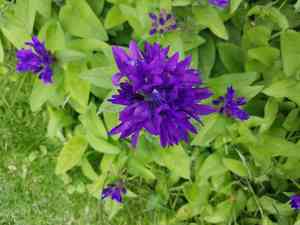
Clustered bellflower (Campanula glomerata)
Also known as: Bellflower
Clustered bellflower, known scientifically as Campanula glomerata, is a native flowering species found in Britain and Japan. The name Campanula glomerata translates to "small bell." Notably, the 'Superba' cultivar has earned the Royal Horticultural Society's prestigious Award of Garden Merit.
In This Article
Attributes of Clustered bellflower
Lifespan
Perennial
Plant Type
Herb
Plant Height
20 cm to 90 cm
Spread
30 cm to 90 cm
Leaf Color
Green
Flower Size
12 cm
Flower Color
Purple Blue White Violet
Images of Clustered bellflower
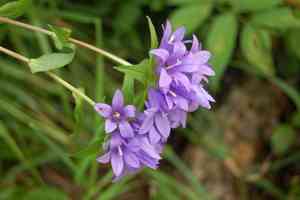
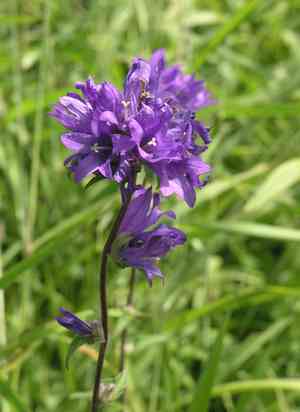
Quickly Identify Clustered bellflower
1
Bell-shaped flowers in violet-blue clusters (2-3 cm diameter)
2
Ovate to lance-shaped leaves with toothed edges (up to 5 inches long)
3
Upright, slender stem with smooth texture (12-18 inches tall)
4
Globoid seed capsule, brownish with dry texture (under 1 inch diameter)
5
Basal clumping habit with dense foliage for easy garden identification
Scientific Classification of Clustered bellflower
Phylum
Vascular plants
Class
Dicotyledons
Order
Asters bellflowers fanflowers and allies
Family
Bellflower
Genus
Bellflowers
Species
Clustered bellflower
Planting and Growing of Clustered bellflower
Care Difficulty
Easy
Watering Schedule
Every 3 days
Sunlight Requirements
Partial sun
Sunshine Duration
6-8 hours
Ideal Temperature
60-75℉
Soil Type
Potting Mix, Peat Mix
Soil pH
6.5-7.5
Fertilizer Type
Balanced
Pruning Season
Spring, Summer
Pruning Area
Branches, Leaves
Pruning Frequency
2 times a year
Repotting Season
Spring
Pot Type
Plastic, Ceramic
 How to Water Clustered bellflower?
The amount of water necessary for Campanula glomerata is around 250 ml per session. This amount should be enough to saturate the soil without leaving it waterlogged. It's important to ensure that the water penetrates deeply into the soil. Using a pot with drainage holes is advisable to avoid water retention.
More About Watering Techniques→
What are the symptoms of an underwatered Clustered bellflower?
›
What should I do if my Clustered bellflower is not getting enough water?
›
What are the symptoms of an overwatered Clustered bellflower?
›
How to save an overwatered Clustered bellflower?
›
 What Are the Sunlight Requirements for Clustered bellflower?
Optimal lighting ranges from partial sun to full sun, which promotes abundant flowering and strong growth. Sufficient light allows for efficient photosynthesis and robust health, enhancing its decorative appeal.
More About Sunlight Requirements Techniques→
What are the best light conditions?
›
How to achieve these light conditions?
›
What benefits does ideal lighting offer?
›
 What Is the Ideal Temperature Range for Clustered bellflower?
For optimal growth, Campanula glomerata thrives in a temperature range of 60-75°F. This range ensures that the plant's physiological activities are conducted smoothly, such as photosynthesis and nutrient absorption. Maintaining this temperature range is crucial during the growing season to achieve the best flowering results.
 What Soil is Best for Clustered bellflower?
Campanula glomerata requires soil with good drainage to prevent root rot. Well-drained soil ensures that excess water can escape, preventing saturation and allowing roots to access necessary oxygen. This plant thrives in nutrient-rich substrates. Enriched loam or sandy loam provides the essential minerals and compounds plants need for robust growth and vibrant blooms, enhancing overall health and resilience. A slightly neutral to alkaline pH level (6.5-7.5) is ideal for Campanula glomerata. Neutral pH optimizes nutrient availability, promoting effective nutrient uptake for healthy plant development.
More About Soil→
 How to Fertilize Clustered bellflower?
Campanula glomerata typically requires a modest amount of fertilizer. For liquid fertilizers, use about half the recommended strength for general plants. Apply approximately 1/4 teaspoon per gallon of water. Solid fertilizers should not exceed one tablespoon per plant, applied at the base.
More About Fertilizing Techniques→
 How to Prune Clustered bellflower?
Begin by identifying and removing any dead, damaged, or diseased stems. Cutting these away helps to improve the overall health of the plant and allows it to focus its energy on producing fresh new growth. Pinch back the tips of the central shoots to encourage branching. This will help your Campanula glomerata to grow bushier and produce more flowers. Ensure the cuts are made at a 45-degree angle to promote proper regrowth. Thinning out dense areas of the plant will help improve air circulation and reduce the risk of fungal infections. Look for overcrowded sections and selectively remove some stems to maintain a healthy structure.
More About Pruning Techniques→
 How to Propagate Clustered bellflower plant?
1
Start by filling a seed tray with a well-draining potting mix. Sow the seeds on the surface and lightly cover them with a thin layer of soil. Ensure the soil is moist but not waterlogged to facilitate germination.
2
In early spring, dig up the plant carefully and with the sharp knife, divide the clump into smaller sections. Ensure that each section has roots and several shoots to encourage new growth.
3
Once seedlings have grown strong enough, usually when they have several sets of true leaves, they can be transplanted into their final location. Ensure the soil is fertile and well-drained.
 How to Repot Clustered bellflower plant?
1
Campanula glomerata should be repotted when its roots outgrow the current pot or you notice reduced growth. Spring, when the plant begins actively growing, is ideal for repotting. Additionally, if the soil retains excess moisture or becomes compacted, it's time to consider repotting.
2
Select a pot with drainage holes to prevent waterlogging. Opt for one that's 1-2 inches larger in diameter than the current pot. This size encourages better root development and prevents the plant from being overwhelmed by too much soil, which can lead to moisture retention issues.
3
Choose a well-draining potting mix that retains some moisture but doesn't become waterlogged. A mix of peat, perlite, and pine bark is excellent, providing aeration, moisture retention, and preventing root rot due to excessive moisture.
Learn More About Clustered bellflower Diseases
Anthracnose
Bacterial Leaf Spot
Bacterial Soft Rot
Bacterial Wilt
Black Spot
Chemical Injury
Crown Gall
Damping-off
Downy Mildew
Drought Stress
Fusarium Wilt
Gray Mold
Leaf Curl
Leaf Spot
Mosaic
Nutrient Deficiency
Nutrient Toxicity
Powdery Mildew
Root Rot
Root-knot Nematode
Rusts
Sooty Mold
Spider Mites
Temperature Stress
Thrips Damage
White Mold



