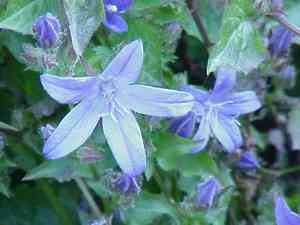
Serbian bellflower (Campanula poscharskyana)
Also known as: Trailing bellflower
The Serbian bellflower (Campanula poscharskyana) is a semi-evergreen perennial native to the Dinaric Alps in the former Yugoslavia. Among its various cultivars, 'Stella' has been honored with the Royal Horticultural Society's Award of Garden Merit.
In This Article
Attributes of Serbian bellflower
Lifespan
Perennial, Annual
Plant Type
Herb
Plant Height
10 cm to 25 cm
Spread
30 cm to 60 cm
Leaf Color
Green
Flower Size
2.5 cm to 5 cm
Flower Color
Blue Purple Violet White
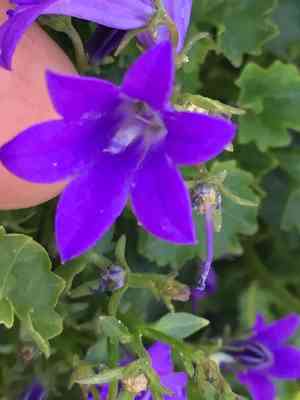
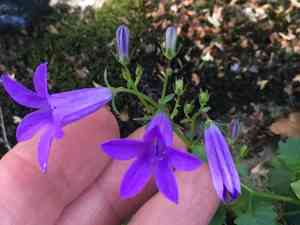
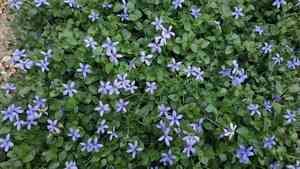
Images of Serbian bellflower
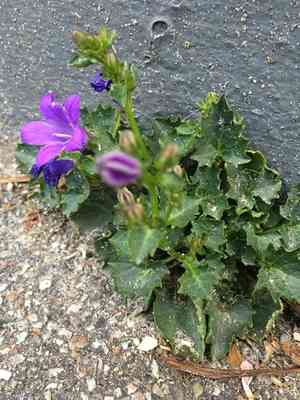
Quickly Identify Serbian bellflower
1
Lush evergreen groundcover reaching 8 inches (20 cm) in height and 36 inches (91 cm) wide.
2
Heart-shaped, downy leaves providing a soft texture.
3
Small, blue, funnel-shaped flowers blooming from spring to fall, peak in mid-summer.
4
Thrives in part sun to full coastal sun conditions with well-drained, medium-wet soil preference.
5
Robust and root-hardy in extremely cold temperatures.
Scientific Classification of Serbian bellflower
Phylum
Vascular plants
Class
Dicotyledons
Order
Asterales
Family
Bellflower
Genus
Bellflowers
Species
Serbian bellflower
Planting and Growing of Serbian bellflower
Care Difficulty
Easy
Watering Schedule
Every 4 days
Sunlight Requirements
Full sun
Sunshine Duration
6-10 hours
Ideal Temperature
60-70℉
Soil Type
Potting Mix, Peat Mix
Soil pH
6.5-7.5
Fertilizer Type
Balanced
Pruning Season
Spring, Summer
Pruning Area
Branches, Leaves
Pruning Frequency
2 times a year
Repotting Season
Spring
Pot Type
Plastic, Ceramic
 How to Water Serbian bellflower?
For Campanula poscharskyana, it's essential to water until the soil is thoroughly moist but not waterlogged. Aim for approximately 500 ml per session, allowing water to soak evenly into the potting mix. This helps ensure an adequate supply of hydration without over-saturating the soil.
More About Watering Techniques→
What are the symptoms of an underwatered Serbian bellflower?
›
What should I do if my Serbian bellflower is not getting enough water?
›
What are the symptoms of an overwatered Serbian bellflower?
›
How to save an overwatered Serbian bellflower?
›
 What Are the Sunlight Requirements for Serbian bellflower?
Campanula poscharskyana benefits from full to partial sun, ideally receiving 4 to 8 hours of sunlight. This promotes robust growth and abundant blooming, enhancing its ornamental appeal.
More About Sunlight Requirements Techniques→
What type of sunlight does Campanula poscharskyana prefer?
›
How can I provide ideal sunlight conditions for Campanula poscharskyana?
›
What are the benefits of optimal sunlight for Campanula poscharskyana?
›
 What Is the Ideal Temperature Range for Serbian bellflower?
The ideal temperature range for Campanula poscharskyana is between 60°F to 70°F. This range allows the plant to thrive by providing optimal conditions for photosynthesis and growth. It ensures that the metabolism of the plant operates efficiently, promoting proper flowering and foliage development.
 What Soil is Best for Serbian bellflower?
Campanula poscharskyana thrives best in well-draining soils. This ensures that water does not stagnate around the roots, which can prevent root rot and encourages healthy growth and flowering. The plant prefers soils with moderate nutrient content, which helps to sustain a balance of lush foliage and beautiful blooms without the risk of over-fertilization. While Campanula poscharskyana can tolerate a range of pH levels, it has a slight preference for soils on the alkaline side, promoting robust and vibrant flowering.
More About Soil→
 How to Fertilize Serbian bellflower?
For Campanula poscharskyana, the amount of fertilizer applied should be moderate to prevent nutrient overload. Use a balanced 10-10-10 liquid fertilizer diluted to half of the recommended strength. This gentle dose ensures that the plant receives adequate nutrition without being overwhelmed by excessive chemicals.
More About Fertilizing Techniques→
 How to Prune Serbian bellflower?
Begin by inspecting the plant for dead, damaged, or diseased stems. Use sharp and sterilized shears to cut these stems at the base. Next, target leggy and overly long shoots, trimming them back to just above a leaf node to promote bushy growth. As flowering begins to dwindle late in the summer, perform a more thorough deadheading to prepare for the next bloom cycle. Moderate pinch-back pruning can also encourage denser foliage and prevent the plant from becoming too spindly.
More About Pruning Techniques→
 How to Propagate Serbian bellflower plant?
1
Fill the seed tray with a fine potting mix, sow the seeds evenly, and cover lightly with soil. Maintain consistent moisture and position the tray in a warm location with indirect sunlight.
2
Select a healthy, non-flowering shoot from the parent plant. Using your sterilized knife or pruners, cut a section around 10cm long, remove lower leaves, and dip the cut end in rooting hormone.
3
In early Spring, dig up the entire plant carefully. Gently separate the roots into several sections, ensuring each has some healthy roots and shoots. Replant each division promptly to avoid dehydration.
 How to Repot Serbian bellflower plant?
1
Keep an eye on the roots protruding from the pot's drainage holes. If you notice the plant becoming pot-bound or the growth slowing down significantly, it's time to consider repotting. Another signal is when the soil dries out dramatically faster than usual.
2
Select a pot that is just one size larger than the current one to prevent water retention problems. Opt for a pot with good drainage holes to allow excess water to escape. This encourages healthier root development and helps prevent root rot.
3
Use a well-draining potting mix rich in organic matter. Such soil will retain enough moisture for the plant without causing waterlogging, providing an ideal environment for roots to grow and flourish, promoting overall plant health.



