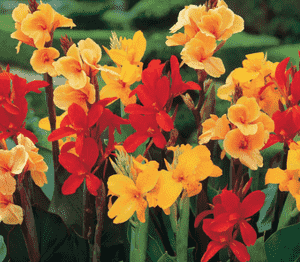
Indian shot (Canna indica)
Also known as: African arrowroot, Canna lily
Despite its name, the Canna lily (Canna indica) is a perennial plant originally from Central and South America. It has become popular globally for its vibrant red flowers and large, ornate leaves. The plant is easy to grow and maintain. Historically, indigenous peoples of the Americas have also used its rhizomes as a minor food source.
In This Article
Attributes of Indian shot
Lifespan
Perennial
Plant Type
Herb
Plant Height
40 cm to 3.5 m
Spread
10 cm to 90 cm
Leaf Color
Green Purple Bronze
Flower Size
5 cm to 15 cm
Flower Color
Red Orange Yellow Pink Gold
Images of Indian shot
Quickly Identify Indian shot
1
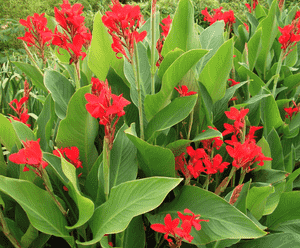
Erect stems reach 8 feet (2.4 meters) with flame-red flowers.
2
Broad, elliptical leaves fan out up to 3 feet (0.9 meters) wide.
3
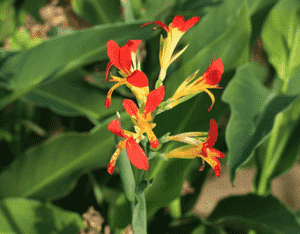
Vibrant flowers form a terminal spike with 3-4 lobes, lasting 1-2 days.
4
Chestnut-brown fruit, 0.5-1 inch (1.27-2.54 cm), spined surface, containing black seeds.
5
Smooth-textured leaves, 12-24 inches (30-60 cm) long, with prominent vein pattern.
Scientific Classification of Indian shot
Phylum
Vascular plants
Class
Monocotyledons
Order
Gingers, bananas, and allies
Family
Canna
Genus
Canna lilies
Species
Indian shot
Planting and Growing of Indian shot
Care Difficulty
Easy
Watering Schedule
Every 15 days
Sunlight Requirements
Full sun
Sunshine Duration
4-6 hours
Ideal Temperature
60-77℉
Soil Type
Potting Mix, Peat Mix
Soil pH
6.5-7.5
Fertilizer Type
Balanced
Pruning Season
Spring, Summer
Pruning Area
Branches, Leaves
Pruning Frequency
2 times a year
Repotting Season
Spring
Pot Type
Terracotta, Plastic
 How to Water Indian shot?
For Canna indica, aim to provide each plant with about 500 milliliters of water per session. This should be sufficient to saturate the root zone without causing water to pool, which may lead to root rot. Ensure the soil remains moist but not waterlogged.
More About Watering Techniques→
What are the symptoms of an underwatered Indian shot?
›
What should I do if my Indian shot is not getting enough water?
›
What are the symptoms of an overwatered Indian shot?
›
How to save an overwatered Indian shot?
›
 What Are the Sunlight Requirements for Indian shot?
Prefers full, partial sun. Benefits: healthy growth, vibrant flowers, disease resistance.
More About Sunlight Requirements Techniques→
What is the best light for Canna indica?
›
How to ensure ideal lighting conditions for Canna indica?
›
What benefits arise from ideal lighting for Canna indica?
›
 What Is the Ideal Temperature Range for Indian shot?
The ideal temperature range for Canna indica, commonly known as Indian Shot, is between 60°F and 77°F. These temperatures provide a warm environment essential for optimal growth, flowering, and maintaining the vibrant health of the plant. Consistency in this range is crucial for avoiding stress that might hinder the plant's development.
 What Soil is Best for Indian shot?
Canna indica thrives best in well-draining soil, which helps prevent waterlogging and root rot. This characteristic is essential for ensuring that the roots can breathe and access nutrients efficiently, leading to strong and healthy growth. The soil should be rich in organic matter to provide the necessary nutrients for vigorous growth. Organic matter like compost enriches the soil, enhances its structure, and increases its water retention, supporting lush foliage and vibrant flowers. Although Canna indica prefers well-draining soil, maintaining consistent moisture levels is crucial. This balances the plant's need for water without risking oversaturation, ensuring optimal growth and flower production.
More About Soil→
 How to Fertilize Indian shot?
For Canna indica, it's crucial to apply the right amount of fertilizer. Typically, you should use about 1 tablespoon of a balanced fertilizer per plant, being cautious not to overdo it to avoid root burn. Adjust the amount slightly based on the size and health of your plants and soil fertility.
More About Fertilizing Techniques→
 How to Prune Indian shot?
After the flowering period, cut back the old flower stalks to encourage new growth. Remove the stalks at the base to allow the plant to focus its energy on developing new blooms. Inspect the plant for any yellowing or diseased leaves and remove them. This improves air circulation and sunlight reaching the lower parts of the plant, enhancing overall health. In late autumn, trim the foliage back to about six inches above the ground. This prevents excessive damage during winter and prepares the plant for a stronger regrowth in spring.
More About Pruning Techniques→
 How to Propagate Indian shot plant?
1
Soak Canna indica seeds in warm water for 24 hours to improve germination rates. Plant them in a seed tray filled with a mixture of peat and sand, then maintain consistent moisture levels until germination.
2
Divide the rhizomes in spring when the plant is dormant. Ensure each division has at least one growing point, then replant them in soil with good drainage and rich organic content.
3
Once the seeds germinate, provide them with adequate light and moisture. Transplant the seedlings when they are large enough to handle, spacing them adequately to avoid competition for nutrients.
 How to Repot Indian shot plant?
1
Canna indica shows signs it needs repotting when its roots begin to emerge from the drainage holes, signaling that it has outgrown its current home. Additionally, if the growth seems stunted despite adequate care, it might be due for a fresh start. Spring or early summer is the perfect time, as the plant actively grows and can recover quickly.
2
Select a pot that is one size larger than the current one, ensuring it has adequate drainage holes. The increased size provides room for root expansion while still maintaining a cozy environment. A pot that’s slightly too big can retain excess water, leading to root rot, so gradual upsizing helps in balancing growth and moisture control.
3
Opt for a rich, well-draining soil mix. Adding organic compost can enhance soil richness, promoting robust growth. Well-draining properties are crucial to preventing root rot, allowing excess water to escape. Such a soil composition provides essential nutrients, supporting both the plant's above-ground vigor and root system development.
Learn More About Indian shot Diseases
Anthracnose
Bacterial Leaf Spot
Bacterial Soft Rot
Bacterial Wilt
Black Spot
Chemical Injury
Crown Gall
Damping-off
Drought Stress
Fusarium Wilt
Gray Mold
Leaf Curl
Leaf Spot
Mosaic
Nutrient Deficiency
Nutrient Toxicity
Powdery Mildew
Root Rot
Root-knot Nematode
Rusts
Sooty Mold
Spider Mites
Temperature Stress
Thrips Damage
White Mold



