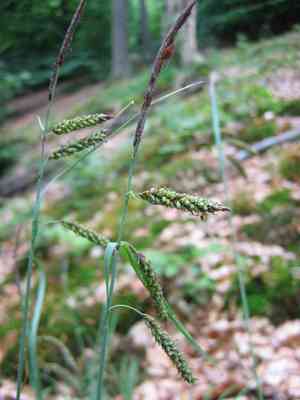
Glaucous sedge (Carex flacca)
Also known as: Gray carex, Carnation-grass
Glaucous sedge (Carex flacca) is versatile and can be found in diverse environments such as meadows, wetlands, dunes, and along the edges of streams. It is well-suited to both damp and dry conditions, particularly in calcareous soils. This blue-tinted grass is highly favored in ecological restoration efforts, for erosion control in landscaping, and as a ground cover in garden settings due to its resilience and adaptability.
In This Article
Attributes of Glaucous sedge
Lifespan
Perennial
Plant Type
Grass
Plant Height
15 cm to 30 cm
Spread
30 cm to 45 cm
Leaf Color
Green Blue
Flower Size
N/A (flowers are small and not typically measured by diameter)
Flower Color
Green Purple Brown
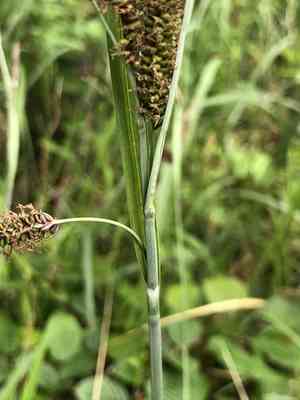
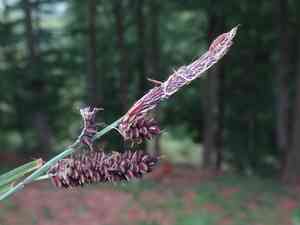
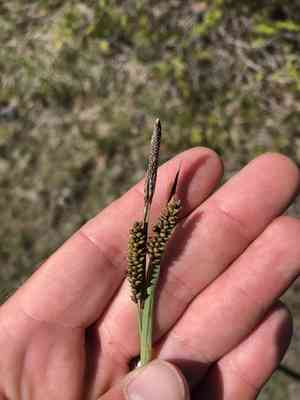
Images of Glaucous sedge
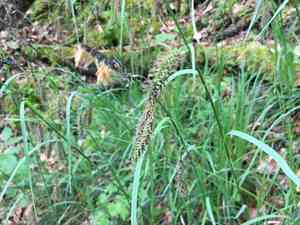
Quickly Identify Glaucous sedge
1
Silver-blue evergreen foliage
2
Narrow leaves, blue-green upper surface
3
Drought-resistant and spreads through runners
Scientific Classification of Glaucous sedge
Phylum
Vascular plants
Class
Monocotyledons
Order
Poales
Family
Sedge
Genus
True sedges
Species
Glaucous sedge
Planting and Growing of Glaucous sedge
Care Difficulty
Easy
Watering Schedule
Every 6 days
Sunlight Requirements
Partial sun
Sunshine Duration
4-8 hours
Ideal Temperature
60-75℉
Soil Type
Potting Mix, Peat Mix
Soil pH
6.5-7.5
Fertilizer Type
Balanced
Pruning Season
Spring, Summer
Pruning Area
Branches, Leaves
Pruning Frequency
2 times a year
Repotting Season
Spring
Pot Type
Plastic, Terracotta
 How to Water Glaucous sedge?
For Carex flacca, aim for about 250 ml of water per session. The key is to ensure that the soil stays consistently moist without becoming waterlogged. The soil should be damp to the touch, but not soggy. Water just until you see moisture seeping out the drainage holes of the pot.
What are the symptoms of an underwatered Glaucous sedge?
›
What should I do if my Glaucous sedge is not getting enough water?
›
What are the symptoms of an overwatered Glaucous sedge?
›
How to save an overwatered Glaucous sedge?
›
 What Are the Sunlight Requirements for Glaucous sedge?
Partial sun exposure, with dappled sunlight conditions, benefits Carex flacca by facilitating healthy photosynthesis and maintaining soil moisture. This environment promotes lush, vibrant growth while protecting the plant from extremes that cause stress or damage.
More About Sunlight Requirements Techniques→
What is the ideal lighting condition for Carex flacca?
›
How to achieve ideal lighting conditions for Carex flacca?
›
What benefits does Carex flacca gain with ideal lighting?
›
 What Is the Ideal Temperature Range for Glaucous sedge?
The ideal temperature range for Carex flacca is between 60°F and 75°F. This temperature range ensures optimal growth and development, providing conditions that mimic the species' natural habitat. Maintaining temperatures within these boundaries will support the plant's physiological processes, including photosynthesis and respiration.
 What Soil is Best for Glaucous sedge?
Carex flacca thrives in well-draining soils, which prevent waterlogging that could suffocate the roots. This type of soil ensures ample airflow and is critical for the plant's health and growth, promoting root aeration and reducing the risk of root rot. For optimal growth, Carex flacca prefers soil rich in organic matter. This not only provides essential nutrients to the plant but also enhances soil structure and moisture retention, fostering a robust and healthy root system. Maintaining moderate moisture levels is vital for Carex flacca, as it ensures the roots are neither parched nor over-saturated. This balance supports consistent growth, preventing stress and promoting a lush appearance.
 How to Fertilize Glaucous sedge?
When fertilizing Carex flacca, apply a balanced liquid fertilizer at half the recommended strength to prevent over-fertilization. This plant thrives best with minimal nutrients. For slow-release fertilizers, use around 50 grams per square meter. Avoid over-fertilizing, as it can lead to weak growth and nutrient burn.
 How to Prune Glaucous sedge?
Before you start cutting, identify any dead or yellowing leaves. Being attention to detail is crucial, as removing these blemishes will not only make your Carex flacca visually appealing but also healthier. When making cuts, aim to cut at a slight angle. This technique helps water runoff easily instead of pooling on cut surfaces, reducing the chance of rot. Precision in cutting angles is a small step that makes a big difference in longevity. Carex flacca can grow a bit wild, so regular trimming to shape is essential. Aim for symmetry and balance, promoting an even growth pattern. A well-shaped plant not only looks attractive but also ensures daylight penetrates evenly, aiding in photosynthesis.
More About Pruning Techniques→
 How to Propagate Glaucous sedge plant?
1
Collect mature seeds from Carex flacca in autumn. Clean and dry them thoroughly to avoid fungal growth. Store them in a cool, dry place until it's time to sow in early spring.
2
Fill seed trays with a soil mix that retains moisture yet drains well. Sow seeds on the surface and lightly cover them with a thin layer of soil. Water gently without disturbing the seeds.
3
Carex flacca can be divided in early spring. Gently lift the plant from the soil and shake off excess dirt. Use shears to cut through the root mass, ensuring each division has roots and shoots.
 How to Repot Glaucous sedge plant?
1
Carex flacca shows signs it needs repotting when you notice stunted growth, roots peeking out the drainage holes, or soil that dries out too quickly. Ideally, hands-on gardeners schedule this task in early spring or autumn to synchronize with the plant's natural growth phases, enhancing resilience and health post-transplantation.
2
Select a pot that is only slightly larger than the current one, typically 1-2 inches wider in diameter. Clay or plastic pots are suitable, each offering distinct benefits. Clay pots allow better air circulation for roots, promoting a healthier root system, while plastic ones retain moisture longer, reducing watering frequency in drier environments.
3
Opt for a well-draining loamy soil enriched with organic matter to bolster nutrient levels. This type of soil ensures that Carex flacca receives adequate drainage, reducing the risk of root rot while also promoting strong root growth, enhancing its adaptability to the new environment.



