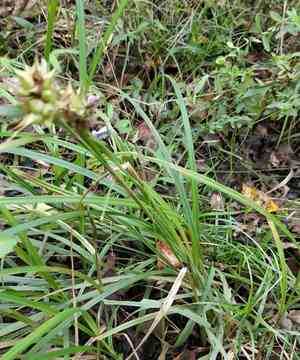
Hop sedge (Carex lupulina)
Also known as: Common Hop Sedge, Hop Sedge
Carex lupulina is generally known as hop sedge and native to most parts of eastern North America. Its fruits serve as a food source for waterfowl. The plant grows in damp, swampy and grassy environments.
In This Article
Attributes of Hop sedge
Lifespan
Perennial
Plant Type
Grass
Plant Height
20 cm to 1.02 m
Spread
Not applicable as it forms clumps
Leaf Color
Green
Flower Size
2.5 cm to 8 cm
Flower Color
Green
Images of Hop sedge
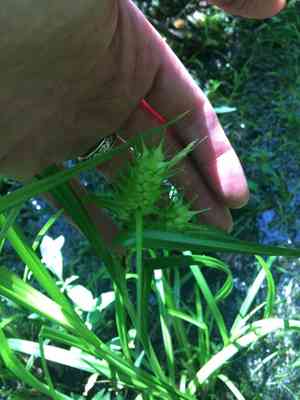
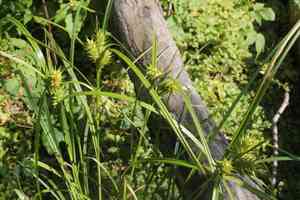
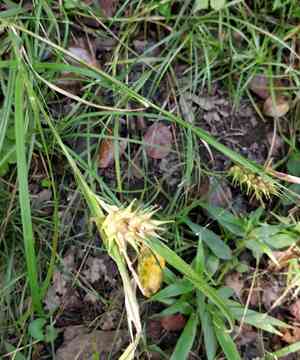
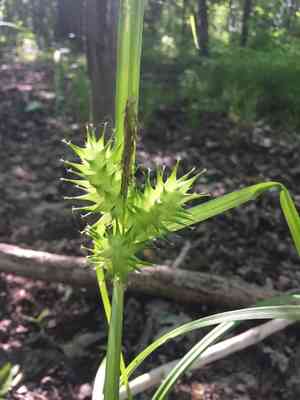
Quickly Identify Hop sedge
1
Triangular stems with green to brown coloring, reaching 3 feet (90 cm) tall.
2
Narrow, grass-like dark green leaves, 0.1 to 0.3 inches (2.5 to 7.5 mm) wide.
3
Distinct male and female flower spikes, with female spikes up to 7 inches (17.8 cm) long.
4
Achenes enclosed in textured, pale to dark brown perigynium fruit casing.
5
Lush, clumping growth habit, 2 to 4 feet (60 to 120 cm) in height.
Scientific Classification of Hop sedge
Phylum
Vascular plants
Class
Monocotyledons
Order
Poales
Family
Sedge
Genus
True sedges
Species
Hop sedge
Planting and Growing of Hop sedge
Care Difficulty
Easy
Watering Schedule
Every 3 days
Sunlight Requirements
Partial sun
Sunshine Duration
6-10 hours
Ideal Temperature
60-75℉
Soil Type
Potting Mix, Peat Mix
Soil pH
5.5-7.5
Fertilizer Type
Balanced
Pruning Season
Spring, Summer
Pruning Area
Branches, Leaves
Pruning Frequency
2 times a year
Repotting Season
Spring
Pot Type
Plastic, Ceramic
 How to Water Hop sedge?
Carex lupulina prefers moderate watering, with about 300ml per session. It thrives best when the soil remains consistently moist without becoming waterlogged. This means watering should be thorough enough to moisten the soil to its root depth, but care should be taken to avoid standing water.
What are the symptoms of an underwatered Hop sedge?
›
What should I do if my Hop sedge is not getting enough water?
›
What are the symptoms of an overwatered Hop sedge?
›
How to save an overwatered Hop sedge?
›
 What Are the Sunlight Requirements for Hop sedge?
Partial sun and full shade provide the ideal range. This balance supports healthy foliage and moisture levels, crucial for its role in wetland ecosystems.
More About Sunlight Requirements Techniques→
Optimal lighting time
›
Solutions for ideal light
›
Benefits of ideal light
›
 What Is the Ideal Temperature Range for Hop sedge?
Carex lupulina thrives best when the ambient temperature is maintained between 60°F and 75°F. Within this range, the plant can efficiently perform its physiological processes, ensuring optimal growth and development. This temperature range supports photosynthesis and nutrient uptake, key components to the health and vigour of Carex lupulina.
 What Soil is Best for Hop sedge?
Carex lupulina prefers soils that can retain moisture well, such as peat and clay soils. This characteristic supports the plant's growth by ensuring consistent water availability, vital for preventing stress and promoting lush foliage. Despite its preference for moisture, Carex lupulina benefits from soil with good drainage like loam. This prevents waterlogging which can lead to root rot, ensuring the plant remains healthy and vigorous. Rich, loamy soils provide an ideal nutrient base for Carex lupulina. Such soil supports robust growth by offering essential nutrients that enhance the plant's resilience and vigor.
 How to Fertilize Hop sedge?
For Carex lupulina, apply liquid fertilizer at a concentration of half-strength during the growing season to avoid nutrient burn. Each application should be approximately 1 liter per square meter of soil surface.
 How to Prune Hop sedge?
Begin by identifying any dead, damaged, or diseased blades of the plant. These often appear brown or straw-like and can be easily distinguished from the healthy green foliage. Once dead growth is removed, trim the edges of the plant gently to preserve its natural mound shape. Make your cuts just above a node or leaf junction to promote healthy regrowth and maintain symmetry. After pruning, remove all cuttings from around the base of your Carex lupulina. This helps in preventing pest infestations and allows for better air circulation, fostering a healthier environment for your plant.
More About Pruning Techniques→
 How to Propagate Hop sedge plant?
1
Gather seeds from mature Carex lupulina plants in autumn, as they are most viable when freshly harvested. Ensure seeds are thoroughly dried and stored in a cool, dry place until spring planting.
2
Prepare a loose, loamy soil mix in trays or pots to provide the seeds with adequate drainage. The soil should be slightly damp but not waterlogged to prevent fungal issues during the germination process.
3
For division, select healthy clumps in early spring. Dig out the clumps with minimal root disturbance and separate them using a sharp knife or garden fork, ensuring each section has ample roots for independent growth.
 How to Repot Hop sedge plant?
1
Carex lupulina signals its need for repotting when you notice roots coming out of drainage holes or a significant slow-down in growth, despite optimal care. Typically, these signs appear every 2 to 3 years. Spring or autumn are the best seasons for repotting, as moderate temperatures allow the plant to establish roots efficiently in its new environment.
2
Selecting the right pot for Carex lupulina ensures healthy growth and prevents overwatering issues. Choose a pot that is 1-2 inches larger in diameter than the current one and has ample drainage holes. A slightly larger pot prevents the roots from becoming too cramped, while proper drainage ensures the soil neither retains excess moisture nor leads to root rot.
3
Choosing the right soil is critical for Carex lupulina to thrive. Opt for a rich, well-draining mix, which provides both nutrient abundance and sufficient aeration for roots. The composition should retain some moisture while allowing excess water to escape easily, preventing root rot common in saggier soils. The texture will contribute to robust root development.



